

What's Happening?
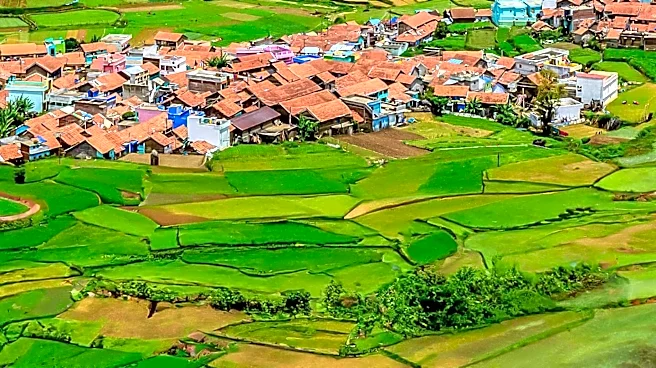
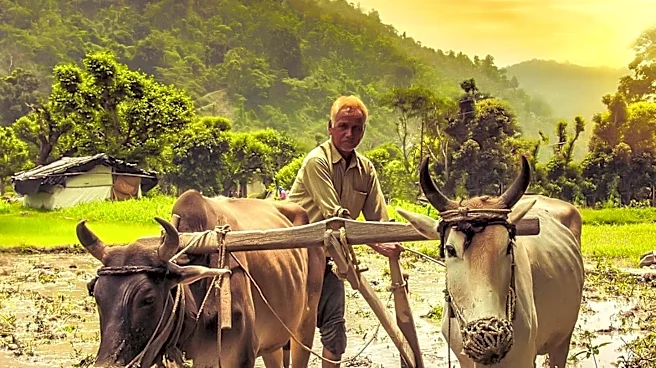
In the eastern hill districts of Nepal, including Dhankuta, the traditional practice of Bethi, a collective paddy plantation accompanied by folk songs and community celebrations, is fading. This cultural practice, which involved villagers working together
in the fields while singing Ashare Bhaka, is being replaced by modern farming techniques. The mechanization of agriculture and the lure of foreign employment have contributed to the decline of this tradition. Local residents, like Tara Bahadur Thapa and Devi Maya Karki, express concern over the loss of cultural heritage and the weakening of social bonds that Bethi once fostered. Efforts are being made to preserve this tradition, but challenges such as labor shortages and changing socio-economic conditions persist.
Why It's Important?
The decline of Bethi reflects broader socio-economic changes impacting rural communities in Nepal. The shift towards modern farming practices and the migration of young people for employment opportunities abroad are altering traditional lifestyles and cultural practices. This transformation could lead to the erosion of cultural identity and community cohesion. Preserving such traditions is vital for maintaining cultural diversity and social unity. The situation also highlights the need for policies that balance modernization with cultural preservation, ensuring that economic development does not come at the cost of cultural heritage.