
What's Happening?
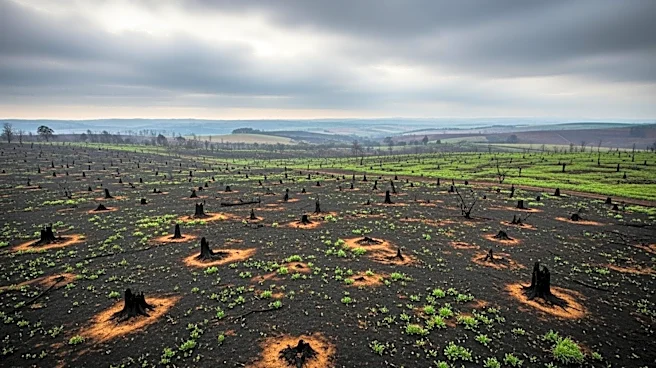
The 2026 summer fires in Victoria, Australia, have caused extensive damage to the agricultural sector, with significant losses in livestock and farm infrastructure. According to Agriculture Victoria, the fires affected
areas such as Cobram, Dargo, Longwood, and Walwa, resulting in the loss of 2,493 beef cattle, 27,879 sheep, and other livestock. Additionally, 126,261 hectares of farmland were impacted, along with 7,997 kilometers of fencing and numerous farm buildings. The Environment and Planning Committee is tasked with investigating the causes of the fires, the preparedness and response of authorities, and the overall impact on communities and the environment. The inquiry is expected to report its findings by July 28. The submission to the inquiry highlights the frustration among farmers regarding the slow response of recovery assistance and advisory services, which exacerbated the trauma and biosecurity risks in affected communities.
Why It's Important?
The fires have not only caused immediate financial strain on farmers and agribusinesses but have also triggered broader economic impacts. The loss of livestock and infrastructure affects supply chains, contractors, and retailers dependent on agriculture. The downturn in tourism, due to perceptions of fire-affected areas, further compounds the region's economic challenges. The situation underscores the need for timely intervention and support to minimize animal suffering, protect farm livelihoods, and maintain biosecurity. The inquiry's findings could influence future policies and protocols for disaster preparedness and response, potentially leading to improved support systems for affected communities.
What's Next?
The Environment and Planning Committee's investigation will provide insights into the effectiveness of current disaster management strategies and may lead to recommendations for enhancing recovery efforts. Stakeholders, including government agencies and agricultural organizations, are likely to focus on developing clearer protocols and faster response mechanisms to support affected farmers. The findings could also prompt discussions on climate resilience and sustainable agricultural practices to mitigate the impact of future natural disasters.