





What's Happening?
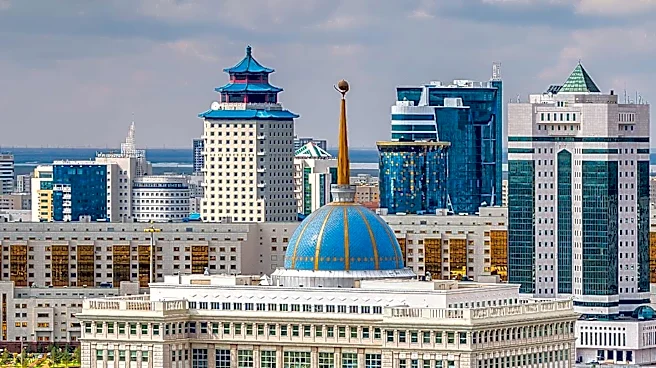
Kazakhstan is increasingly playing a significant role in Afghanistan's economic recovery and regional reintegration, moving beyond traditional security approaches. Astana's strategy focuses on economic development, human capital, and regional cooperation
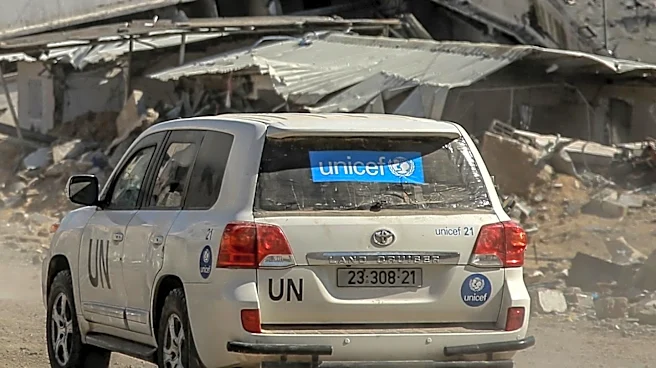
to foster long-term stability. This involves combining trade, humanitarian assistance, educational diplomacy, and infrastructure connectivity. Since the Taliban's return in August 2021, Kazakhstan has opted for pragmatic engagement over diplomatic isolation, maintaining working-level contacts while emphasizing humanitarian aid and economic ties. Kazakhstan is a major supplier of essential commodities like wheat and flour to Afghanistan, with bilateral trade reaching US$581.1 million between January and July 2026. Additionally, Kazakhstan provides educational opportunities for Afghan students through scholarships and university partnerships, with about 600 Afghan students enrolled in Kazakh universities in 2026. Humanitarian aid, including food and medical supplies, is regularly dispatched, and Kazakhstan is also investing in transport connectivity projects like railway development to link Central Asia with South Asian markets through Afghanistan.
Why It's Important?
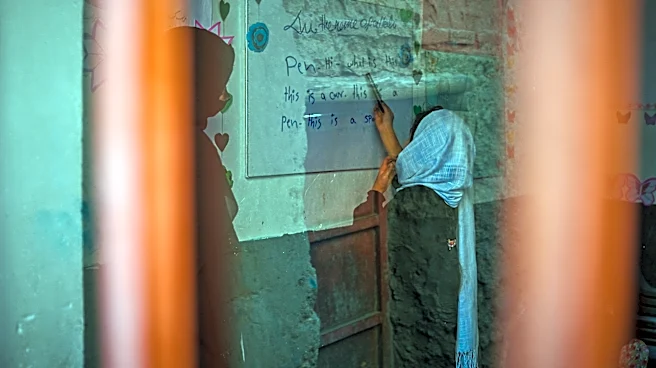
Kazakhstan's engagement offers a practical model for regional involvement in Afghan stabilization, emphasizing economic interdependence and institutional cooperation. This approach is crucial for addressing Afghanistan's severe humanitarian crisis, where millions face food insecurity and require assistance. By focusing on economic development and trade, Kazakhstan helps alleviate immediate needs and lays groundwork for sustainable growth, reducing Afghanistan's dependence on emergency aid. Educational diplomacy is a long-term investment in Afghanistan's institutional capacity, training future professionals in critical sectors and fostering regional networks. The inclusion of programs for Afghan women's education is particularly significant, preserving professional opportunities despite severe restrictions within Afghanistan. Improved transport connectivity could transform Afghanistan from a landlocked country into a vital transit hub, boosting regional commerce and integration. This comprehensive strategy aims to prevent instability from spreading and contribute to a more stable and prosperous Afghanistan, which has broader implications for regional security and economic development.
What's Next?
Kazakhstan's continued engagement will likely focus on strengthening reciprocal trade, encouraging Afghan participation in regional value chains, and expanding educational assistance, particularly for professional development and women's opportunities. Further investment in transport infrastructure, such as railway projects, will depend on addressing financing constraints, security risks, and ensuring commercially viable freight volumes. The United Nations Regional Centre for the Sustainable Development Goals for Central Asia and Afghanistan in Almaty, supported by Kazakhstan, is expected to provide an institutional framework for coordinating these efforts and evaluating long-term results. This center could facilitate technical assistance, sustainable agriculture, climate adaptation, and institutional development, fostering cooperation among Central Asian governments, international organizations, and Afghan stakeholders. The success of these initiatives will depend on sustained commitment from Kazakhstan and broader regional collaboration, aiming to translate diplomatic and economic cooperation into tangible improvements in Afghan livelihoods and institutional resilience.
Beyond the Headlines
Kazakhstan's strategy in Afghanistan represents a significant shift in regional diplomacy, moving away from purely security-centric approaches towards a more holistic model of engagement. This approach acknowledges that long-term stability in Afghanistan is intrinsically linked to economic opportunity, education, and regional integration, rather than solely military or political solutions. It highlights the potential for neighboring countries to play a constructive role in post-conflict recovery by leveraging economic and educational tools. This model could serve as a blueprint for other regions facing similar challenges, demonstrating that pragmatic engagement, even with controversial regimes, can yield humanitarian and developmental benefits. Furthermore, Kazakhstan's emphasis on educational opportunities for Afghan women, despite the Taliban's restrictions, underscores a commitment to universal human rights and long-term societal development, challenging the prevailing narrative of isolation and despair in Afghanistan.