





What's Happening?
The Public Utility Commission of Texas (PUCT) has delayed a decision on a proposed 200-mile high-voltage transmission line project in Central Texas, remanding the case back to the State Office of Administrative Hearings (SOAH). The project, known as the Bell
County East Switch to Big Hill Substation 765-kV Transmission Line Project, was jointly filed by Oncor Electric Delivery and the Lower Colorado River Authority. SOAH administrative law judges had previously recommended denying the application, primarily citing insufficient demonstration of the project's necessity and concerns over improper notification of approximately 1,400 potentially impacted landowners. PUCT Chairman Thomas Gleeson issued a memo on September 9, requesting SOAH to provide deeper analysis on two specific points: the necessity of the proposed facilities to meet state or federal reliability standards, and the estimated congestion cost savings for consumers. The PUCT voted on September 11 to support Gleeson's memo, effectively delaying the final decision.
Why It's Important?
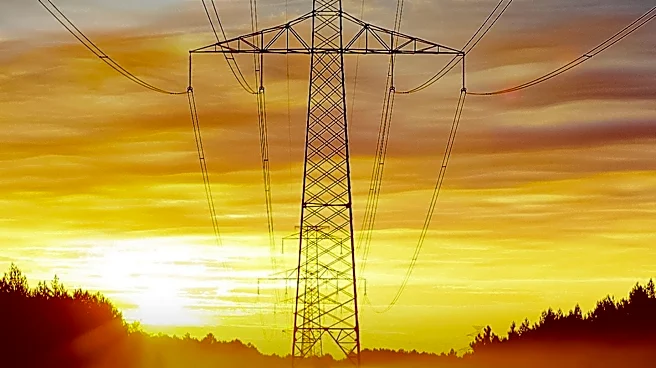
This delay is significant for energy infrastructure development in Texas, a state with a unique and often challenged power grid. The project aims to construct over 200 miles of high-voltage transmission lines, which are critical for ensuring grid reliability and potentially reducing electricity costs for consumers by alleviating congestion. The PUCT's demand for further analysis underscores the rigorous scrutiny applied to major infrastructure projects, especially those impacting a large number of landowners and potentially affecting the state's energy security. The questions raised about the project's necessity and potential cost savings highlight the commission's focus on both reliability and economic benefits for Texans. The outcome of this remand could influence future energy projects in Texas, setting a precedent for the level of detail and justification required from utility companies. It also emphasizes the importance of proper landowner notification and engagement in such large-scale developments.
What's Next?
Following the PUCT's remand, the State Office of Administrative Hearings (SOAH) will now develop a supplemental proposal for decision. This new proposal will specifically address the two points raised by Chairman Gleeson: the necessity of the transmission facilities for reliability standards and the estimated congestion cost savings for consumers. Once SOAH files this supplemental proposal, all involved parties will have the opportunity to file exceptions and replies, but only pertaining to these two specific issues. The final decision on the Bell County East Switch to Big Hill Substation 765-kV Transmission Line Project, which was initially expected in September, will now be delayed until these additional analyses are completed and reviewed. This process will determine whether the project moves forward, is modified, or is ultimately denied, impacting the future of energy transmission in Central Texas.
Beyond the Headlines
The delay in the Texas transmission line project highlights the complex interplay between regulatory oversight, utility development, and public interest. The PUCT's decision to remand the case for more detailed analysis reflects a broader trend towards increased accountability and transparency in infrastructure planning. This scrutiny is particularly relevant in Texas, given its independent power grid and past challenges with energy reliability. The emphasis on 'necessity' and 'congestion cost savings' suggests a move towards a more data-driven and consumer-centric approach to energy policy. Furthermore, the initial concerns about improper landowner notification underscore the critical importance of community engagement and fair process in large-scale projects. This case could serve as a benchmark for how regulatory bodies balance the need for robust energy infrastructure with the rights and concerns of affected communities, potentially leading to more stringent requirements for public outreach and impact assessments in future projects across the U.S.