




What's Happening?
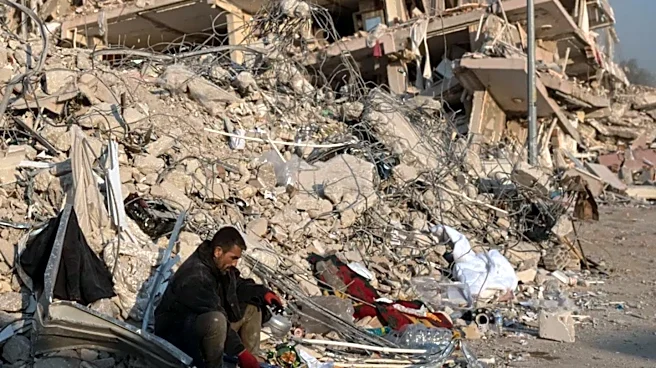
A Jacksonville woman, Jessica Dozier, reported that a section of her apartment ceiling at Calloway Cove Apartments collapsed while she and her family were sleeping. The incident occurred around 1:28 a.m., approximately 12 hours after she had notified
apartment management about brown discoloration on the ceiling and water on the floor, requesting an inspection. Dozier stated that sheetrock and other debris fell on her, her daughter, and her sister, causing injuries including pain in her neck, shoulder, and back, and debris striking her head and face. District Councilwoman Ju’Coby Pittman visited the apartment, describing the situation as a serious health and safety concern, not merely a maintenance issue. State Rep. and U.S. Senate candidate Angie Nixon's office also received calls regarding the collapse. News4JAX attempted to contact property management for comment but received no response. This is not the first safety concern at the complex; in 2019, a fire sent a family to the hospital after they had reported smelling gas multiple times. The complex, formerly known as Washington Heights, failed a U.S. Department of Housing and Urban Development inspection in 2016 due to over 20 safety issues.
Why It's Important?
This incident highlights critical issues regarding tenant safety and landlord accountability in residential properties. The reported failure of apartment management to address a tenant's warning about potential structural issues directly led to injuries and property damage, raising questions about maintenance protocols and responsiveness. The involvement of local political figures like District Councilwoman Ju’Coby Pittman and State Rep. Angie Nixon underscores the public safety implications and potential for broader regulatory scrutiny on housing conditions. The history of safety concerns at Calloway Cove Apartments, including a prior fire and a failed HUD inspection, suggests a systemic problem that could impact the well-being of numerous residents. This situation could prompt increased advocacy for stronger tenant protection laws, more rigorous housing inspections, and greater accountability for property management companies to ensure safe living environments, particularly in complexes with a history of violations. The incident also brings to light the potential for legal action against property owners for negligence, which could set precedents for how similar complaints are handled in the future.
What's Next?
Following the ceiling collapse, it is likely that Jessica Dozier and her family will pursue further action regarding their injuries and the unsafe living conditions. This could involve legal consultation to explore options for compensation and accountability from the apartment management. District Councilwoman Ju’Coby Pittman's involvement suggests that local authorities may initiate investigations into the property's safety standards and management practices. Given the complex's history of safety issues, including a past fire and a failed HUD inspection, there could be renewed calls for stricter oversight and enforcement from city and state housing departments. State Rep. Angie Nixon's office receiving calls indicates potential legislative interest in addressing tenant safety and landlord responsibilities. The media attention from News4JAX may also pressure property management to issue a statement or take corrective actions. Residents of Calloway Cove Apartments might organize or seek collective action to demand improved living conditions and more responsive management. The incident could also lead to broader discussions within the Jacksonville City Council about housing regulations and tenant rights.
Beyond the Headlines
The ceiling collapse at Calloway Cove Apartments transcends a single incident, pointing to deeper systemic issues within the affordable housing sector. The repeated safety failures at this complex, previously known as Washington Heights, suggest a pattern of neglect that disproportionately affects vulnerable populations. This situation raises ethical questions about the responsibility of property owners to provide safe housing, especially when previous warnings and inspections have highlighted deficiencies. Legally, the case could test the efficacy of existing tenant protection laws and the enforcement mechanisms designed to ensure compliance. Culturally, such incidents erode trust between residents and property management, fostering a sense of insecurity and powerlessness among tenants. Long-term, this event could catalyze a movement for more robust tenant advocacy, potentially leading to policy shifts that mandate more frequent and stringent safety inspections, increased penalties for non-compliant landlords, and improved avenues for tenants to report and resolve hazardous living conditions without fear of reprisal. It also underscores the broader challenge of maintaining safe and affordable housing infrastructure in rapidly developing urban areas.