





What's Happening?
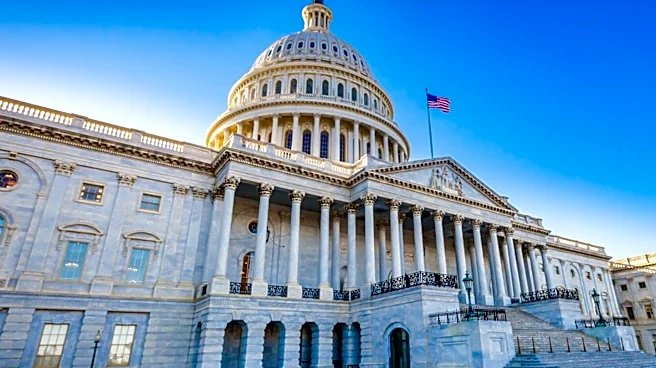
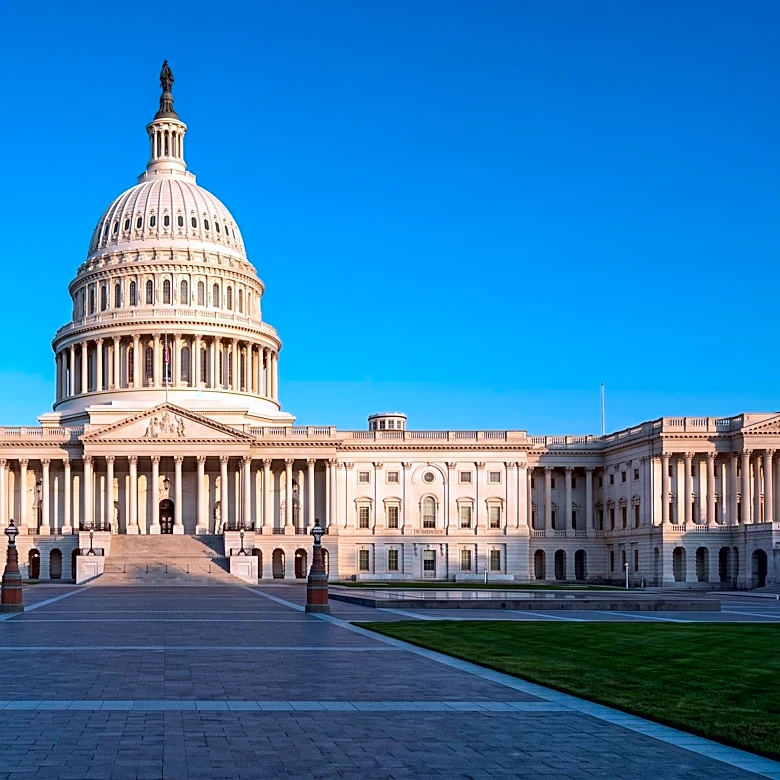
A new report from the Congressional Research Service highlights an intensified push to overhaul legislation concerning congressional financial activities. This development comes as discussions around campaign finance reform gain traction. The report details
the most concentrated effort in years to address the financial dealings of members of Congress. This renewed focus on congressional financial ethics is part of a broader conversation about transparency and potential conflicts of interest within the U.S. government. The push aims to restrict or ban lawmakers from trading individual stocks, a practice that has drawn scrutiny for its potential to allow members to profit from non-public information gained through their official duties. The report serves as a comprehensive overview of the legislative landscape and the various proposals being considered to reform these financial activities.
Why It's Important?
The intensification of efforts to ban lawmakers' stock trading is significant for several reasons. It addresses long-standing concerns about potential insider trading and conflicts of interest, which can erode public trust in government institutions. When lawmakers trade stocks, there's a perception that they might use privileged information to their financial advantage, rather than acting solely in the public's best interest. This can lead to cynicism about the integrity of the legislative process and the fairness of the financial markets. Implementing such a ban could enhance transparency and accountability in Congress, potentially restoring some public confidence. It would also level the playing field for ordinary investors who do not have access to the same information as elected officials. The debate reflects a broader societal demand for higher ethical standards from public servants and a desire to mitigate any appearance of impropriety.
What's Next?
The Congressional Research Service report is expected to fuel further debate and legislative action on congressional financial activities. Lawmakers will likely consider various proposals, ranging from outright bans on individual stock trading to stricter disclosure requirements or the use of blind trusts. The outcome will depend on political will and bipartisan cooperation, as such reforms often face resistance due to their direct impact on members' personal finances. Advocacy groups and the public will likely continue to pressure Congress for meaningful changes. The discussions could also influence future campaign finance reform efforts, as financial ethics and political funding are often intertwined. Any new legislation would need to navigate potential legal challenges and establish clear enforcement mechanisms to be effective.
Beyond the Headlines
Beyond the immediate legislative implications, a ban on lawmakers' stock trading could have profound effects on the culture of Washington D.C. It could shift the focus of elected officials more squarely onto public service, rather than personal financial gain. This move might also encourage a more diverse range of individuals to run for office, as the allure of potential financial benefits from stock trading would be removed. The ethical dimension of this issue extends to the very definition of public service and the expectations placed upon those who hold positions of power. It raises questions about how to balance personal financial freedom with the need for unimpeachable integrity in government. Such a reform could set a precedent for other government officials and potentially influence ethical guidelines across various public sectors, fostering a more trust-based relationship between the government and its citizens.