



What's Happening?
A report by the State Comptroller of Israel has revealed significant vulnerabilities in the country's hospital infrastructure against ballistic missile threats, particularly from Iran. The report highlights that many hospital areas, including 56% of hospitalization
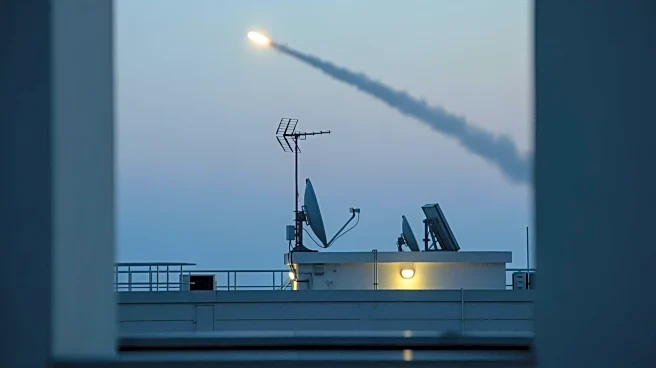
beds and 41% of surgery beds, are unprotected from aerial attacks. This issue was underscored during the 2023-2025 Israel-Hamas war and the June 2025 missile strike on Soroka Medical Center, which resulted in injuries and significant damage. The report criticizes the government's inadequate response and allocation of resources to address these security gaps, noting that only 10% of the necessary funds have been provided. The lack of protection poses a risk to hospital operations and patient safety in future conflicts.
Why It's Important?
The findings of the report have significant implications for national security and public health in Israel. Hospitals are critical infrastructure, and their vulnerability to missile attacks could lead to catastrophic consequences in times of conflict. The report's revelations may prompt the Israeli government to reassess its defense strategies and prioritize the protection of medical facilities. This situation also highlights the broader challenges faced by countries in conflict zones, where civilian infrastructure is increasingly becoming a target. The need for improved hospital security is urgent to ensure the continuity of medical services and safeguard the lives of patients and healthcare workers.
What's Next?
In response to the report, the Israeli government may need to expedite the allocation of funds and resources to enhance hospital security. This could involve retrofitting existing facilities with better protective measures and constructing new, more secure buildings. The government might also consider decentralizing medical services to reduce the risk of mass-casualty events. Additionally, there may be increased pressure on the government from the public and healthcare professionals to address these vulnerabilities promptly. The situation could also lead to international discussions on the protection of civilian infrastructure in conflict zones.