



What's Happening?
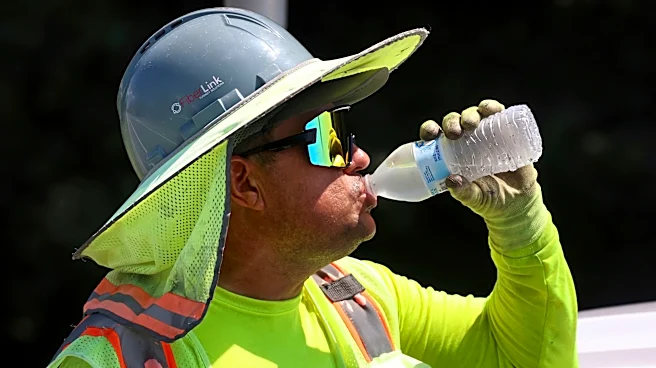
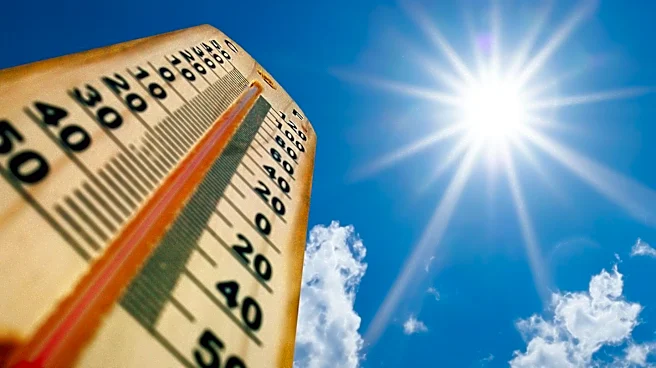
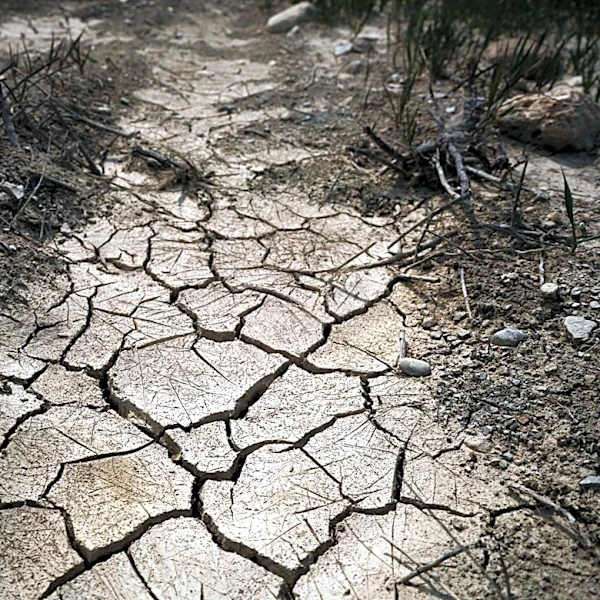
A significant heat wave is affecting over 100 million Americans across the eastern two-thirds of the United States, with temperatures expected to reach record highs. The National Weather Service (NWS) has issued heat alerts for regions including the Midwest,
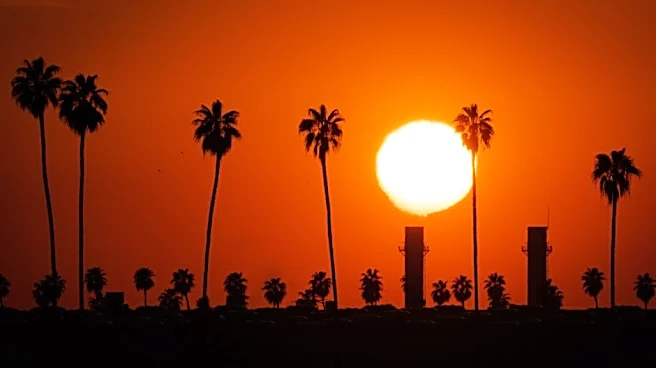
Great Lakes, Ohio Valley, Mid-Atlantic, Northeast, and Southeast. This extreme weather is attributed to a heat dome, a high-pressure system that traps hot air, preventing temperatures from cooling down overnight. As a result, many areas are experiencing consecutive days of dangerously high temperatures, coinciding with the July 4 Independence Day celebrations. State officials, such as Connecticut Governor Ned Lamont and New York Governor Kathy Hochul, have implemented measures like activating hot weather protocols and extending pool hours to mitigate the heat's impact.
Why It's Important?
The heat wave poses significant health risks, particularly for vulnerable populations such as older adults, young children, and individuals with pre-existing health conditions. Prolonged exposure to high temperatures can lead to heat exhaustion or heat stroke, which are life-threatening conditions. The Centers for Disease Control and Prevention (CDC) reports that extreme heat is one of the deadliest weather hazards in the U.S., contributing to over 700 deaths annually. The heat wave also coincides with major public events, including the America 250 celebrations in Washington, D.C., and the 2026 FIFA World Cup festivities, necessitating additional safety measures to protect attendees from heat-related illnesses.
What's Next?
The heat wave is expected to persist through the July 4 weekend, with the hottest conditions anticipated late this week. The Climate Prediction Center forecasts that some eastern areas may experience relief early next week as the heat dome shifts westward. However, above-average temperatures are likely to continue in parts of the West and central U.S. for the following two weeks. Meanwhile, severe weather, including tornadoes and thunderstorms, is affecting other parts of the country, with flood warnings in place across Montana, the Midwest, and the South.