
What's Happening?
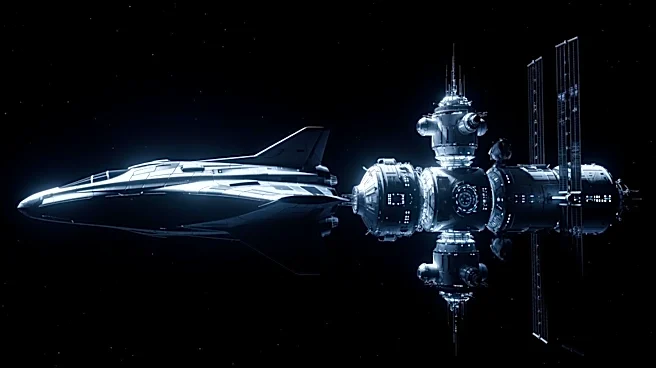
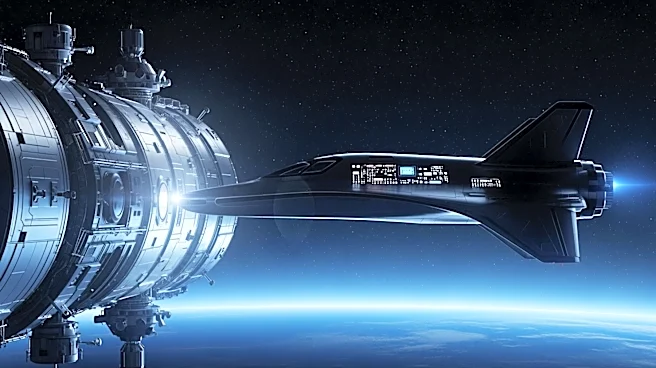
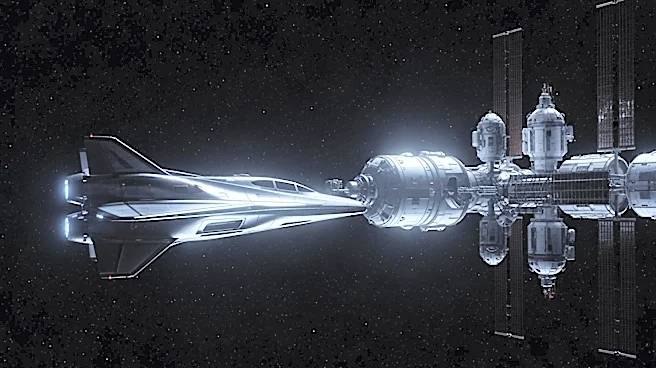
NASA has postponed the launch of Boeing's Starliner spacecraft due to unresolved issues identified during a 2024 crewed test flight. The spacecraft experienced helium leaks and multiple thruster failures,
leading to a reclassification of the mission as a Type A mishap. This has resulted in a delay for the Starliner-1 mission, with no confirmed launch window as engineers work to address these problems. Meanwhile, NASA has adjusted its flight manifest to rely more heavily on SpaceX and other partners to maintain operations at the International Space Station. SpaceX's CRS-34 mission is scheduled for May 12, and other missions are planned throughout the year to ensure continuous support for the station.
Why It's Important?
The delay in Starliner launches highlights ongoing challenges in NASA's Commercial Crew Program, which aims to diversify the United States' access to space. The reliance on SpaceX underscores the importance of having multiple providers to ensure redundancy and reliability in space operations. The issues with Starliner also raise concerns about safety and the readiness of new spacecraft to carry astronauts. This situation places additional pressure on Boeing to resolve technical issues and regain confidence in its spacecraft. The delay could impact NASA's broader goals for space exploration and international collaboration on the ISS.
What's Next?
Boeing is working on corrective actions to address the propulsion and management failures identified in the Starliner. NASA has stated that no crewed flights will be certified until these issues are fully resolved. The agency has revised its contract with Boeing to allow for an uncrewed operational mission as a step towards eventual crew certification. The focus will be on completing verification testing and understanding the root causes of the failures. The outcome of these efforts will determine the future timeline for Starliner missions and its role in NASA's spaceflight plans.