




What's Happening?
The California Department of Public Health (CDPH) and the State of Vermont Agency of Agriculture and Markets have issued warnings and recalls for eggs due to separate salmonella outbreaks. In California, the Happy Hens brand of in-shell eggs is linked
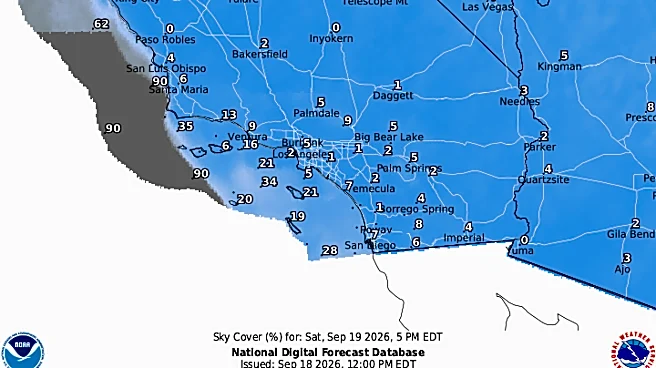
to an outbreak that has sickened 23 people, with seven hospitalizations. The FDA found salmonella matching the outbreak strain in two poultry housing spaces at the Happy Hens farm. Happy Hens initiated a voluntary recall on September 8 for eggs distributed to restaurants, grocery stores, farmers’ markets in Southern California and the Central Coast, and directly from their Ramona, CA farm. In Vermont, Leaping Bear Farm is recalling its chicken eggs, dated from June 1, 2026, to September 5, 2026, due to potential salmonella contamination. Vermont health officials have linked 14 salmonella illnesses to eggs from Leaping Bear Farm. These eggs were sold at various farmers' markets and stores across Vermont. Consumers are advised to discard affected eggs and clean any surfaces they touched.
Why It's Important?
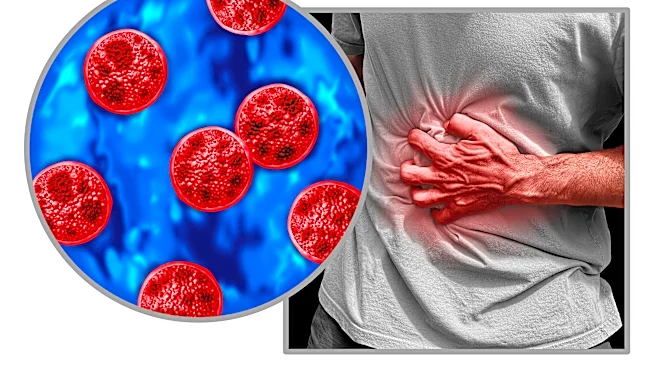
These separate salmonella outbreaks in California and Vermont highlight persistent food safety challenges within the egg industry and pose significant public health risks. Salmonella infection can cause severe gastrointestinal illness, including diarrhea, fever, and abdominal cramps, and can be particularly dangerous for vulnerable populations such as young children, the elderly, and individuals with weakened immune systems, potentially leading to hospitalization or even death. The recalls underscore the critical need for stringent hygiene and safety protocols on farms to prevent bacterial contamination from reaching consumers. For consumers, these incidents emphasize the importance of checking product labels and being aware of recall notices. The economic impact extends to the affected farms, which face financial losses from recalled products and potential damage to their brand reputation, as well as broader concerns about consumer confidence in egg safety.
What's Next?
Consumers in California and Vermont who have purchased Happy Hens or Leaping Bear Farm eggs with the specified codes and dates should immediately discard them or return them for a refund. Health authorities will continue to monitor for new cases of salmonella linked to these outbreaks and conduct further investigations into the farms' practices to ensure compliance with food safety standards. The affected farms will likely implement corrective actions to address the source of contamination and prevent future occurrences, which may include enhanced sanitation, testing, and biosecurity measures. Retailers that sold these eggs will need to ensure all recalled products are removed from shelves and communicate recall information effectively to their customers. These incidents may also prompt broader discussions about regulatory oversight and inspection frequency within the egg production industry to bolster food safety across the nation.
Beyond the Headlines
The recurrence of salmonella outbreaks in eggs, despite existing regulations, points to potential vulnerabilities in the food safety system, particularly within smaller or regional farming operations. While large-scale recalls often grab headlines, these localized outbreaks demonstrate that contamination risks are pervasive across different scales of production. This situation raises questions about the adequacy of current inspection frequencies and the resources available to state and federal agencies to monitor all food producers effectively. For consumers, it reinforces the need for vigilance and proper food handling practices, such as thoroughly cooking eggs. Furthermore, these events can fuel consumer demand for greater transparency in food sourcing and production methods, potentially driving market shifts towards producers with demonstrably higher safety standards and certifications. The long-term implications could include increased pressure on regulatory bodies to enhance surveillance and on producers to invest more in preventative food safety technologies and practices.