







What's Happening?
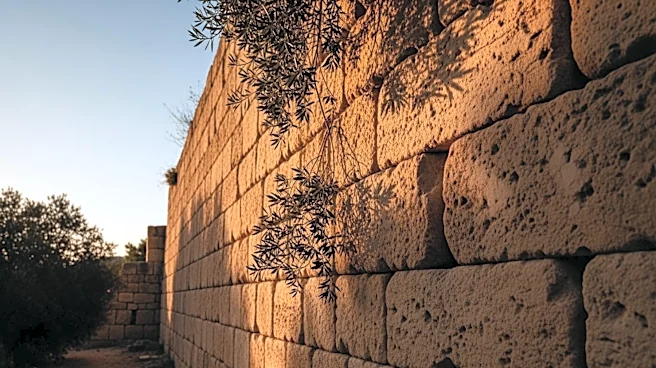
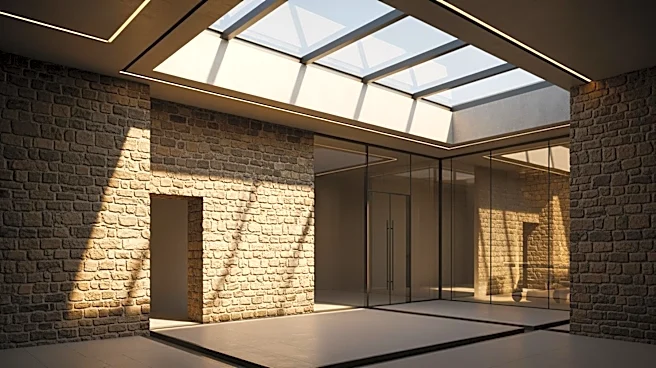
In Jerusalem, the architectural firm led by Ada Karmi Melamede, Ori Lanir, and Ofer Arusi has been focusing on integrating natural light into their designs to bridge the gap between historic and modern architecture. Their projects, such as the Supreme
Court of Israel and Beit Haliba, emphasize the use of Jerusalem stone and the city's distinctive light to create a harmonious blend of old and new architectural languages. The firm has been successful in translating the city's unique spirit into an architectural language that respects its historical context while introducing modern elements. This approach is evident in their work on various educational and residential projects throughout the city, where they have creatively adapted structures to preserve historical facades while incorporating modern design elements.
Why It's Important?
The integration of natural light in architectural designs is significant as it enhances the aesthetic appeal and functionality of buildings. In Jerusalem, a city with rich historical significance, this approach allows for the preservation of cultural heritage while accommodating modern needs. The firm's work demonstrates how architecture can serve as a bridge between the past and the present, fostering a sense of continuity and respect for tradition. This method not only contributes to the city's urban landscape but also sets a precedent for other architects working in historically sensitive areas. By prioritizing natural light, the firm is able to create spaces that are both visually striking and environmentally conscious, promoting sustainable architectural practices.