









What's Happening?
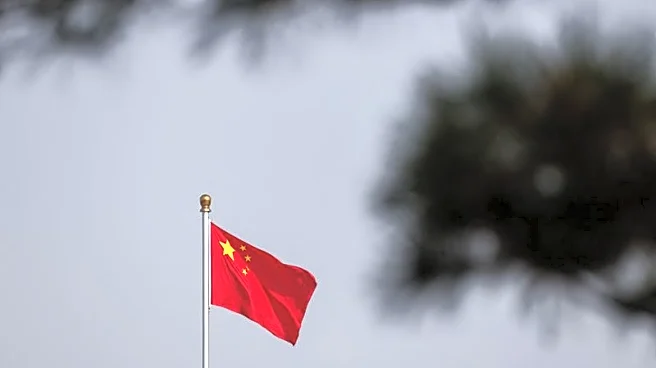
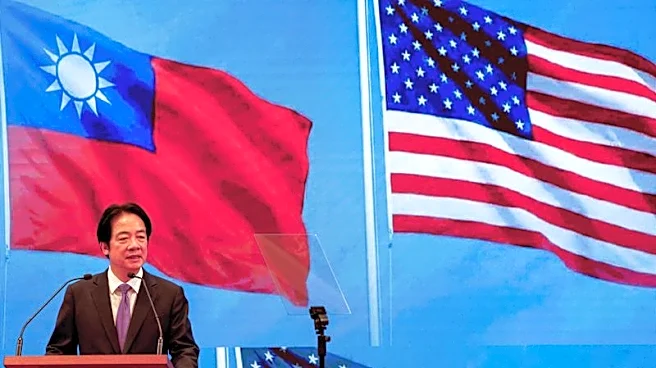
Taiwanese President William Lai Ching-te's planned visit to Eswatini was disrupted after Mauritius, Madagascar, and Seychelles revoked overflight permissions for his aircraft. This move is attributed to pressure from the People's Republic of China (PRC),
which aims to erode Taiwan's sovereignty by influencing other countries to adhere to the 'One China' policy. The incident marks a significant escalation in PRC's efforts to disrupt Taiwan's international engagements. The PRC's Ministry of Foreign Affairs commended the countries for their adherence to the 'One China' principle, while Taiwan's opposition parties joined the ruling Democratic Progressive Party in condemning the PRC's actions. Eswatini, one of Taiwan's few diplomatic allies, expressed regret over the cancellation but affirmed that relations with Taiwan remain unchanged.
Why It's Important?
This development highlights the increasing geopolitical tensions between Taiwan and the PRC, with potential implications for international diplomacy and regional stability. The PRC's pressure tactics could further isolate Taiwan diplomatically, affecting its ability to engage with other nations. The incident underscores the PRC's strategic efforts to assert its influence and challenge Taiwan's sovereignty, which could lead to heightened tensions in the region. The solidarity among Taiwanese political parties in condemning the PRC's actions reflects a unified stance against external coercion, which may influence Taiwan's domestic and foreign policy strategies.
What's Next?
Taiwan may seek to strengthen its diplomatic ties with existing allies and explore new partnerships to counteract PRC's influence. The international community's response to this incident could shape future diplomatic engagements and alliances in the region. Taiwan's government might also consider measures to bolster its national security and diplomatic resilience against similar pressures in the future.
Beyond the Headlines
The PRC's actions raise ethical and legal questions about the use of diplomatic pressure to influence sovereign nations' policies. This incident could trigger discussions on international norms and the balance of power in diplomatic relations. The long-term impact on Taiwan's international standing and its ability to maintain sovereignty amidst external pressures remains a critical concern.