
What's Happening?
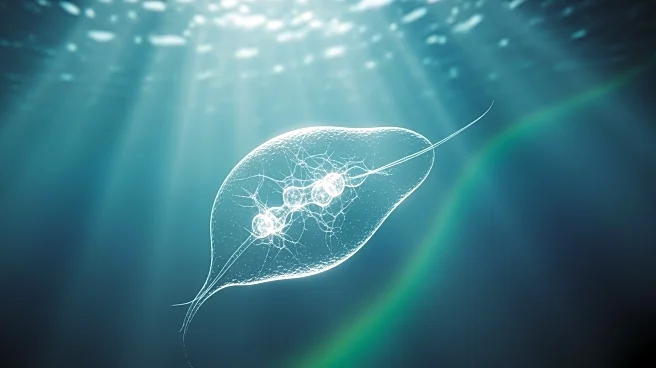
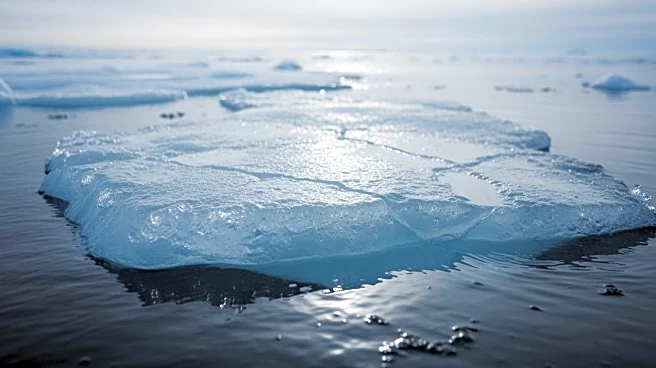
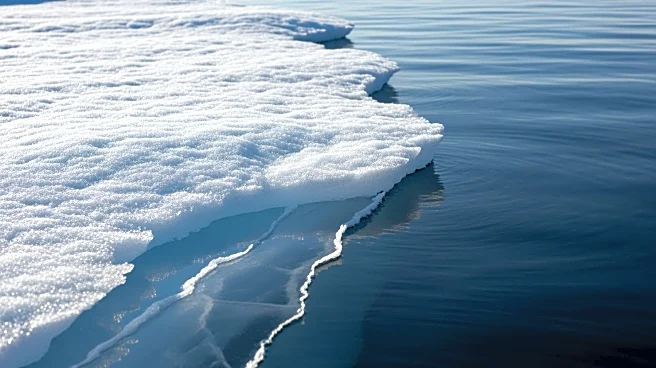
Scientists have raised alarms about the rapid loss of sea ice and its impact on polar ecosystems. The shrinking ice is affecting the nutritional value and habitat of microscopic algae, which are crucial
to the polar food chain. As sea ice melts, increased sunlight and warmer waters degrade the composition of sea-ice microalgae, reducing the essential nutrients available to krill and zooplankton. These changes threaten the entire food chain, impacting fish populations and, consequently, global food systems. The research highlights the broader implications of sea ice loss, including its effects on weather patterns and coastal flooding.
Why It's Important?
The degradation of polar ecosystems has far-reaching consequences beyond the poles. Polar fisheries play a vital role in global food supply, and changes in sea ice can disrupt seafood availability, affecting both local and global markets. Additionally, the melting ice contributes to rising sea levels, exacerbating coastal flooding and impacting millions of people worldwide. This situation underscores the interconnectedness of global ecosystems and the urgent need for action to mitigate climate change and its effects on the environment and human societies.
What's Next?
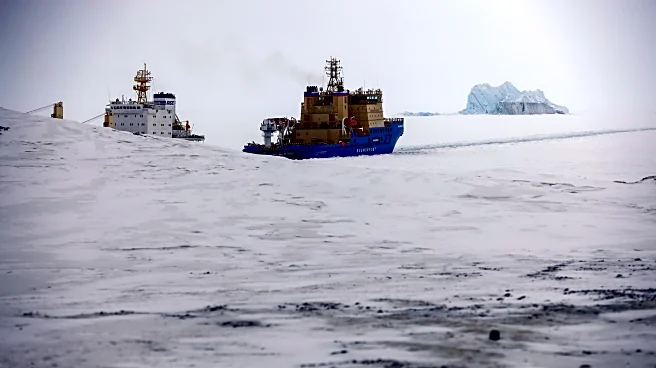
Ongoing research by scientists and monitoring by government agencies aim to better understand and address the impacts of changing ice conditions. Efforts to raise awareness and encourage environmentally friendly practices are crucial in mitigating the effects of climate change. Continued collaboration between scientific communities and policymakers is essential to develop strategies that protect polar ecosystems and ensure the sustainability of global food systems.