




What's Happening?
'ataaxum Pomkwaan, a Native American-led nonprofit in San Diego County, is expanding its Native Youth Stewardship Series thanks to a grant from the San Diego Foundation (SDF). The organization, whose name translates to 'For the People,' aims to preserve
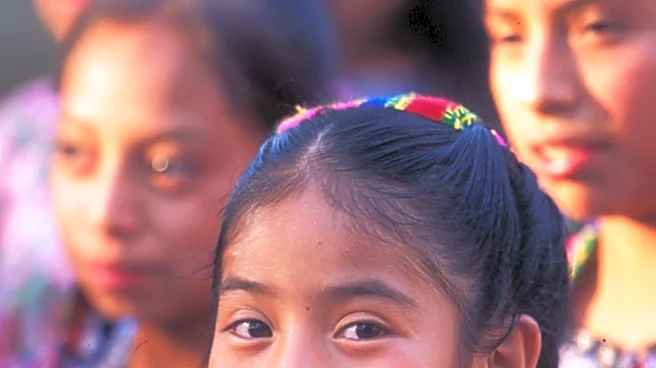
Indigenous customs and communities by empowering Native youth. The series serves young people across San Diego County’s reservation communities, including Rincon, Pala, Santa Ysabel, San Pasqual, and Los Coyotes. The primary goals of the expanded program are to strengthen cultural identity, foster a sense of belonging, and improve school climates for Native youth. Ami Admire, executive director of 'ataaxum Pomkwaan, emphasizes that the organization is giving children a voice, teaching them the importance of their language, culture, and identity. The grant is part of SDF’s Growth, Education and Mentorship for Student Scholars (GEMS) initiative, which focuses on supporting expanded learning programs for middle school students during a critical developmental period. This summer, the funded project, 'We Are Sacred: Advancing Educational Equity for Native Indigenous Youth,' included a restoration day and participation in the UNITY/United National Indian Tribal Youth’s 50th Annual National Conference.
Why It's Important?
This initiative is crucial for addressing the unique challenges faced by Native youth in San Diego County, particularly in preserving cultural heritage and improving educational outcomes. By strengthening cultural identity and a sense of belonging, the program helps combat the historical marginalization and systemic issues that have impacted Indigenous communities. The focus on middle school students through the GEMS initiative is strategic, as this period often sees declines in school attendance and increases in disciplinary actions, which can significantly shape long-term academic trajectories. Empowering these young individuals with a strong cultural foundation and leadership skills can lead to improved academic performance, reduced behavioral issues, and increased engagement in school. Furthermore, the program's success in transforming school environments, such as revitalizing Native Clubs and addressing microaggressions, demonstrates its potential to create more inclusive and supportive educational settings for Native students. This investment in youth development contributes to the broader goal of historical repair and community resilience.
What's Next?
The expanded Native Youth Stewardship Series will continue to implement its programs across San Diego County’s reservation communities, focusing on cultural education, leadership development, and community engagement. 'ataaxum Pomkwaan plans to build on its successes, such as the 'We Are Sacred' project, which includes healing landscapes restoration days and participation in national conferences. The organization will likely continue its collaborations with partners and seek further funding to sustain and broaden its reach. The ongoing impact will be monitored through metrics like student engagement, academic performance, and reductions in disciplinary actions within participating schools. There is also potential for the model developed by 'ataaxum Pomkwaan to be replicated or adapted in other Native communities facing similar challenges, fostering a wider movement of cultural preservation and youth empowerment. Continued advocacy for Native youth in educational settings, informed by the experiences and successes of this program, is also a foreseeable next step.
Beyond the Headlines
The work of 'ataaxum Pomkwaan extends beyond immediate educational and cultural benefits, touching upon deeper societal implications related to historical justice and intergenerational healing. By explicitly framing its mission around honoring Native grandparents who survived government-sanctioned genocide, the organization addresses the long-term trauma and systemic injustices faced by Indigenous peoples. The program's emphasis on teaching youth to speak their language and celebrate their culture is a vital act of cultural reclamation, countering decades of assimilation policies. This initiative also highlights the critical role of philanthropic organizations like the San Diego Foundation in supporting grassroots efforts that address complex social issues. The success stories, such as students becoming cultural bearers and educators, demonstrate the profound, long-term impact of investing in Indigenous youth. This work contributes to a broader societal shift towards recognizing and valuing Indigenous knowledge systems and self-determination, fostering a more equitable and inclusive future.