



What's Happening?
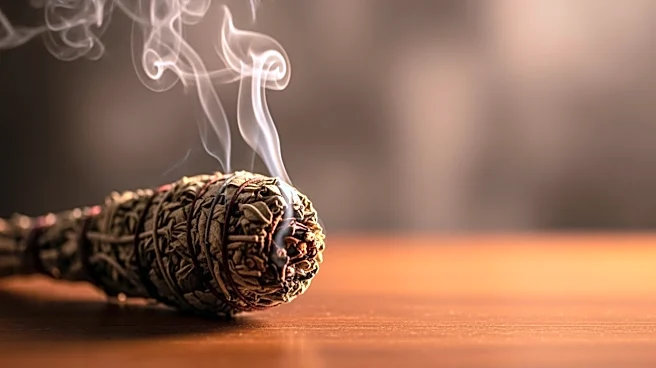
A recent study published in the journal Evidence-Based Chinese Medicine and Technology Assessment has explored the feasibility of self-administered moxibustion as a supportive care method during chemotherapy. Conducted by researchers from the East and North
Hertfordshire National Health Service Trust, the study involved 25 patients with breast, colorectal, or gynecological cancers. These patients were taught to apply indirect smokeless moxibustion to the acupuncture point Zusanli (ST36) daily. The study found that while the practice was generally acceptable and safe, with no serious adverse events reported, adherence varied significantly among participants. The main challenges included chemotherapy-related sickness, fatigue, and practical difficulties with the moxibustion process.
Why It's Important?
The study's findings are significant as they suggest a potential low-cost, integrative option for patients undergoing chemotherapy. Moxibustion, a traditional heat-based therapy, could help alleviate some of the side effects associated with chemotherapy, such as pancytopenia, which can lead to treatment delays and reduced quality of life. If further research confirms its benefits, self-moxibustion could become a valuable tool in supportive cancer care, offering patients a more active role in managing their treatment. This could lead to improved patient outcomes and potentially reduce healthcare costs associated with managing chemotherapy side effects.
What's Next?
The researchers recommend that future studies should focus on more rigorous trial designs, including reminder systems and uniform patient groups, to better assess the clinical benefits of self-moxibustion. If these studies demonstrate measurable benefits, self-moxibustion could be integrated into mainstream oncology care as a supportive therapy. This would require collaboration between traditional and modern medical practices to ensure safety and efficacy. The study highlights the need for continued exploration of integrative healthcare approaches that combine traditional methods with modern medical practices.