







What's Happening?
A new group named 'Mock the Flock' held its inaugural protest, 'Unflock the Block,' in northeast Wichita, Kansas, to raise awareness about concerns regarding Flock surveillance cameras. Members of the group, including Tom Maffei and Mary Stang, expressed
their belief that these cameras are harmful and infringe upon privacy rights. Maffei cited instances across the country, including some in Sedgwick County, where police officers allegedly misused Flock cameras, such as stalking ex-partners. The protest saw support from passersby, with some even stopping their cars to join briefly. Protesters wore license plates and performed the Macarena dance to give the cameras 'something to look at.' The group aims to see the city remove these cameras and plans its next demonstration for Kansas Constitution Day on September 17.
Why It's Important?
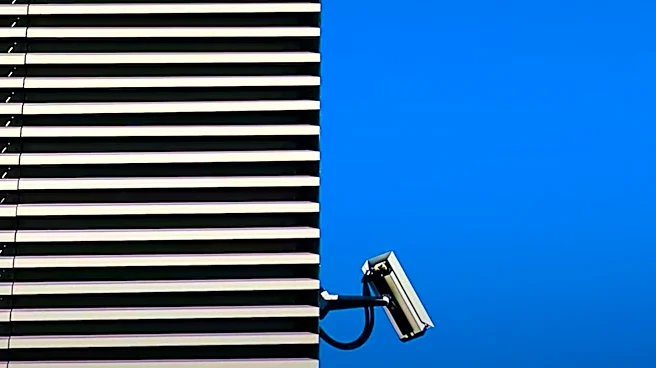
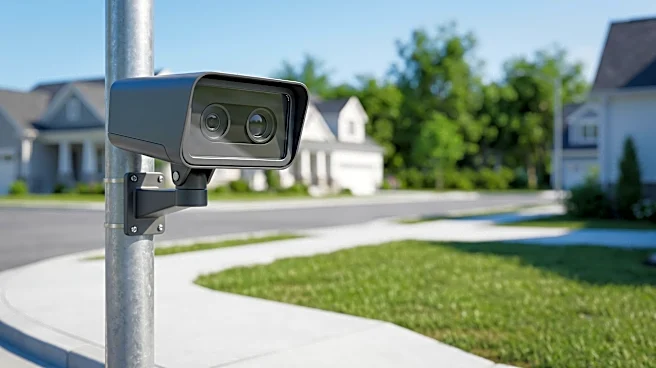
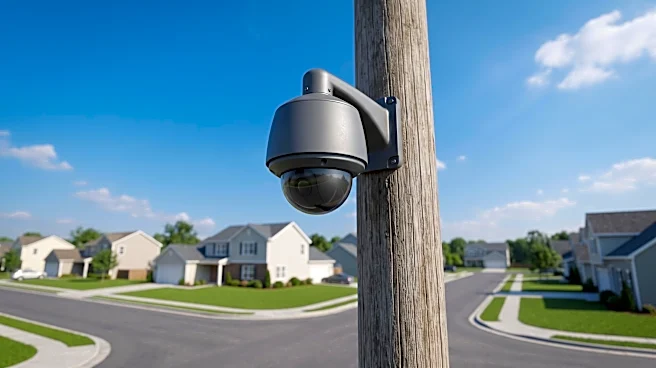
This protest highlights a growing national debate over privacy versus public safety in the context of surveillance technology. Flock cameras, which are license plate readers, are increasingly adopted by law enforcement agencies across the U.S. to deter crime and aid investigations. However, groups like 'Mock the Flock' argue that the widespread deployment of such technology creates a 'surveillance state' and is prone to misuse, eroding civil liberties. The concerns raised about police misuse of these cameras underscore the need for robust oversight and accountability mechanisms. This local protest in Wichita reflects a broader societal tension regarding data collection, individual privacy rights, and the role of technology in policing, impacting public policy discussions at municipal and state levels.
What's Next?
The 'Mock the Flock' group plans to continue its activism, with the next demonstration scheduled for Kansas Constitution Day on September 17. Their ongoing efforts aim to pressure the city of Wichita to reconsider its use of Flock cameras. This movement could gain further traction if more citizens join their cause or if additional instances of alleged misuse come to light. The debate may also lead to legal challenges, as seen with the Kansas Justice Institute suing Wichita over the use of these cameras. City officials and law enforcement may need to address these public concerns, potentially by implementing stricter policies on camera usage, increasing transparency, or engaging in public forums to discuss the technology's benefits and drawbacks.
Beyond the Headlines
The 'Mock the Flock' protest touches upon fundamental questions about the balance between security and freedom in a technologically advanced society. The concept of a 'surveillance state' evokes concerns about government overreach and the potential for constant monitoring to stifle dissent or create a chilling effect on civil liberties. The use of license plate readers, while ostensibly for crime prevention, generates vast amounts of data that can be aggregated and analyzed, raising ethical questions about data retention, access, and potential for profiling. This movement is part of a larger trend where citizens are increasingly scrutinizing how their data is collected and used by both public and private entities, pushing for greater transparency and accountability in the deployment of surveillance technologies.