




What's Happening?
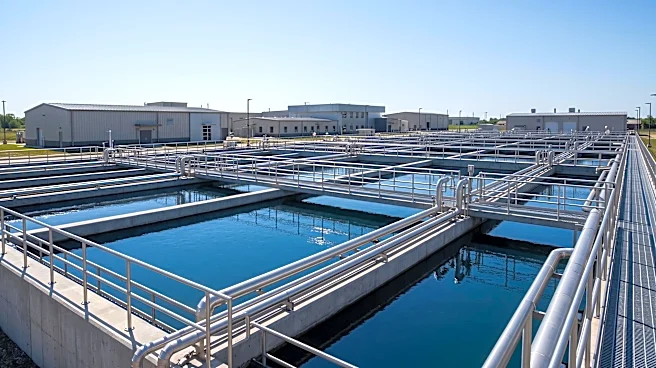
Pennsylvania American Water has issued a mandatory water conservation order for nearly 23,000 customers in the Coatesville, Pennsylvania area. Residents are being asked to limit their water usage to essential purposes only. This measure comes after recent
weather-related changes to local water sources increased the amount of treatment required at the company's plant. The additional treatment demands are reportedly placing a strain on the filtration systems. The company has not yet provided a timeline for how long this mandatory conservation order will remain in effect, urging customers to conserve water until further notice. The affected population is significant, impacting a substantial portion of the local community.
Why It's Important?
This mandatory water conservation order highlights the vulnerability of local water infrastructure to environmental changes and the critical importance of water management. For the nearly 23,000 affected customers, it means a temporary but significant alteration to daily routines and potential economic impacts for businesses reliant on water. The strain on filtration systems underscores the challenges water utility companies face in maintaining service quality and capacity, especially when environmental factors necessitate increased treatment. This situation could serve as a precedent for other regions experiencing similar weather-related impacts on their water sources, emphasizing the need for robust and adaptable water treatment facilities across the U.S. The lack of a clear timeline also creates uncertainty for residents and businesses.
What's Next?
Customers in the Coatesville area are expected to continue conserving water until Pennsylvania American Water provides further updates. The company will likely monitor the condition of its water sources and the performance of its filtration systems to determine when the mandatory order can be lifted. There may be ongoing communications from Pennsylvania American Water to keep residents informed about the situation and any changes to the conservation requirements. Local authorities and community leaders may also engage with the water company to understand the long-term implications and potential solutions for ensuring water security in the region. The situation could prompt discussions about infrastructure upgrades or alternative water source development.
Beyond the Headlines
The incident in Coatesville points to broader issues concerning water infrastructure resilience and the increasing impact of climate and weather patterns on essential services. As weather events become more unpredictable, water utilities across the nation may face similar challenges, necessitating significant investments in infrastructure upgrades and advanced treatment technologies. This situation also raises questions about public awareness and preparedness for water scarcity, even in areas not typically associated with drought. It could lead to a re-evaluation of water conservation policies and public education initiatives to foster a more sustainable approach to water usage nationwide, emphasizing the collective responsibility in managing this vital resource.