





What's Happening?
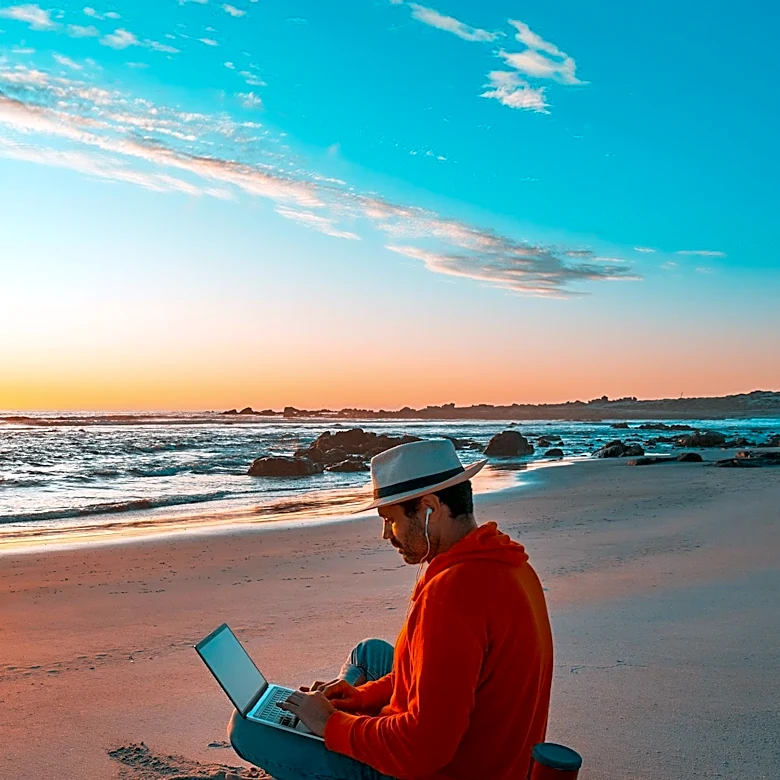
Cabo Verde has introduced a digital nomad visa, providing a temporary residence permit that allows remote workers to live in the country for six months while continuing their work. Launched in December 2020, this initiative was among the first visa programs
globally designed specifically for remote workers. The visa permits digital nomads to reside in the archipelago, known for its tropical climate, beaches, and volcanic islands, for an initial period of half a year. Those who wish to extend their stay beyond the initial six months have the option to renew the visa. This program aims to attract individuals seeking a location-independent lifestyle in a tropical island setting, blending Portuguese and African cultures.
Why It's Important?
Cabo Verde's digital nomad visa is important for U.S. citizens and the broader remote work landscape as it expands the options for international living and working. For U.S. digital nomads, it offers a new destination with a distinct cultural experience and a warm climate, potentially attracting those looking for an alternative to more established remote work hubs. This trend of countries offering specific visas for remote workers signifies a global recognition of the digital nomad economy, which can influence U.S. companies to adapt their remote work policies to accommodate employees working from diverse international locations. The availability of such visas can also lead to a 'brain drain' if a significant number of skilled U.S. workers choose to relocate, impacting domestic labor markets. Conversely, it can foster a more globally experienced and culturally aware U.S. workforce, as individuals gain international exposure while maintaining their professional ties to the U.S. The program also highlights the economic benefits that smaller nations like Cabo Verde seek to gain by attracting foreign income and talent.
What's Next?
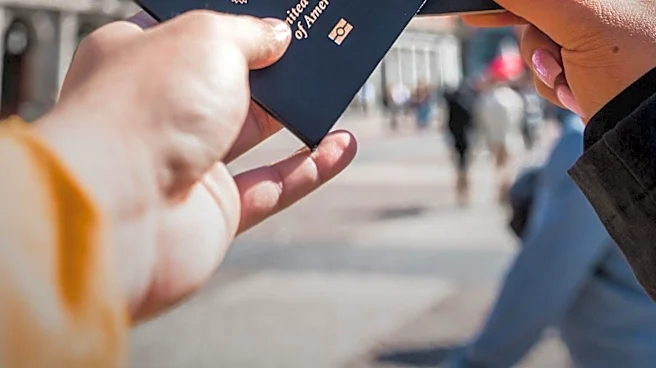
U.S. citizens interested in the Cabo Verde digital nomad visa will need to apply for the temporary residence permit and meet any specific requirements set by the Cabo Verdean government. The option to extend the initial six-month stay suggests a flexible approach for long-term residents. The success of this program could encourage other island nations or developing economies to launch similar initiatives, further diversifying the choices available to U.S. remote workers. For U.S. employers, this means a continued need to understand and navigate international tax implications, legal compliance, and logistical support for employees working from abroad. The increasing popularity of digital nomad visas will likely lead to more resources and services catering to this lifestyle, including specialized insurance, banking, and community networks, making international remote work more accessible and streamlined for U.S. professionals.
Beyond the Headlines
Beyond the immediate practicalities, Cabo Verde's digital nomad visa taps into a deeper desire for work-life balance and experiential living among U.S. professionals. The allure of a tropical island paradise, combined with the flexibility of remote work, offers a compelling alternative to traditional office-bound careers. This shift can have profound cultural implications, as U.S. citizens engaging in such experiences bring back diverse perspectives and potentially influence domestic work culture towards greater flexibility and internationalism. It also raises questions about the long-term impact on the host country's infrastructure, local economy, and cultural identity as it integrates a transient foreign population. The program's emphasis on a temporary residence permit suggests a cautious approach to managing this influx, aiming to reap economic benefits while preserving local resources and culture. This initiative is part of a global re-evaluation of how work, travel, and residency intersect in the 21st century.