
What's Happening?
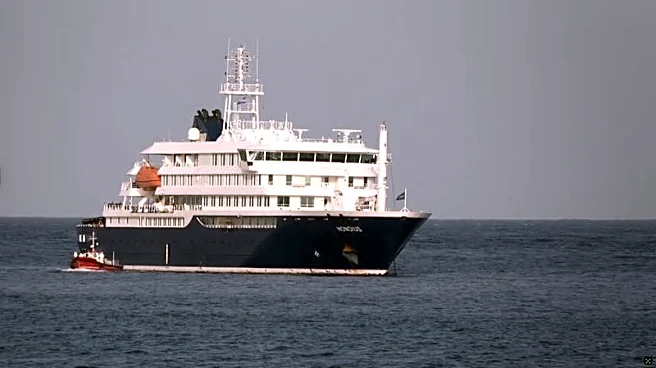
An outbreak of hantavirus has been identified among passengers and crew of the cruise ship MV Hondius, with five confirmed infections reported by the World Health Organization (WHO). The virus, typically
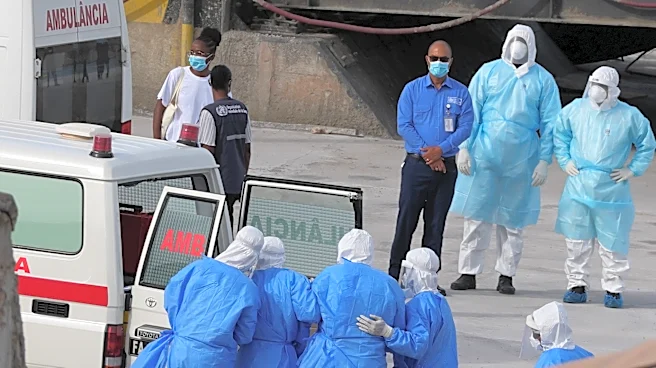
associated with rodents, may have been transmitted human-to-human aboard the vessel. Since April 11, three individuals have died, and several others are ill. The outbreak was first reported to WHO on May 2, and Spanish authorities are set to conduct a full epidemiological investigation and disinfect the ship upon its arrival in Tenerife, Canary Islands.
Why It's Important?
The hantavirus outbreak on the MV Hondius highlights the challenges of containing infectious diseases in closed environments like cruise ships. The potential for human-to-human transmission of the Andes strain of hantavirus, which is rare, raises concerns about the virus's spread. The situation underscores the importance of rapid response and international cooperation in managing infectious disease outbreaks. The involvement of multiple countries in tracing and monitoring passengers reflects the global nature of public health threats and the need for coordinated efforts to prevent further spread.
What's Next?
As the MV Hondius sails towards the Canary Islands, health authorities are preparing to manage the disembarkation and quarantine of passengers. Spanish health officials will oversee the disinfection of the ship and conduct further investigations. Passengers and crew are advised to monitor for symptoms for 45 days. The outbreak may prompt a review of health protocols on cruise ships and other closed environments to prevent similar incidents in the future. Continued monitoring and contact tracing efforts are essential to contain the outbreak and prevent further transmission.