





What's Happening?
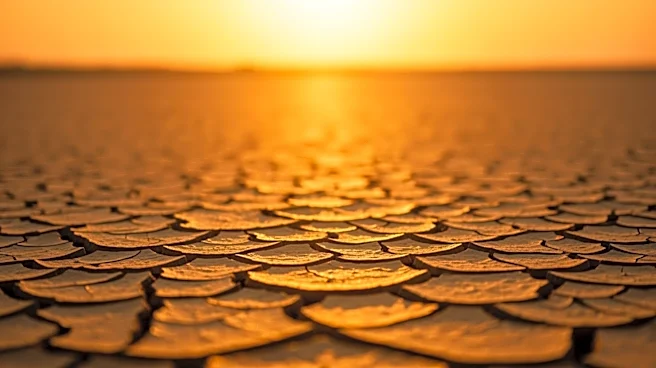
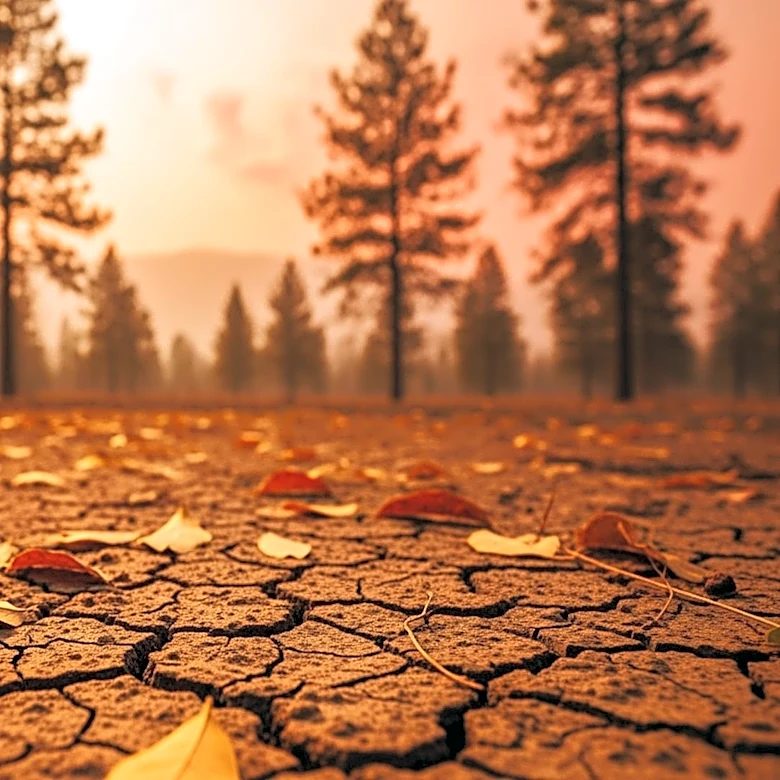
March 2026 was the hottest month on record for the continental United States, with temperatures averaging 50.85 degrees Fahrenheit, 9.35 degrees above the 20th-century norm. This unprecedented heat is part of a trend of increasing global temperatures,
exacerbated by human-caused climate change. The National Oceanic and Atmospheric Administration (NOAA) and the European climate service Copernicus forecast a super strong El Niño to form soon, potentially intensifying into the winter. This El Niño could push global temperatures to new record levels in late 2026 and into 2027.
Why It's Important?
The record-breaking heat and the forecasted super El Niño could have significant impacts on agriculture, water availability, and navigation in the U.S. The combination of El Niño and climate change may lead to more extreme weather events, including stronger hurricanes in the Gulf of Mexico. The warming world, driven by fossil fuel consumption, may be making El Niños stronger, although this is not yet a consensus among scientists. The potential for record-breaking global temperatures could further stress ecosystems and human societies.
What's Next?
Meteorologists expect the super El Niño to increase already warm temperatures globally, likely surpassing the hottest year mark set by 2024. This could lead to more extreme weather events and further disruptions in agriculture and water resources. Stakeholders, including governments and environmental organizations, may need to prepare for these changes by implementing adaptive strategies and policies to mitigate the impacts of climate change. Continued research and monitoring will be crucial to understanding the full implications of this El Niño event.
Beyond the Headlines
The potential for a super El Niño highlights the need for global cooperation in addressing climate change. As countries experience varying impacts, from increased heat to altered precipitation patterns, international efforts to reduce greenhouse gas emissions and invest in sustainable technologies become increasingly important. The ethical responsibility to protect vulnerable populations and ecosystems from the adverse effects of climate change is a pressing concern that requires immediate action.