



What's Happening?
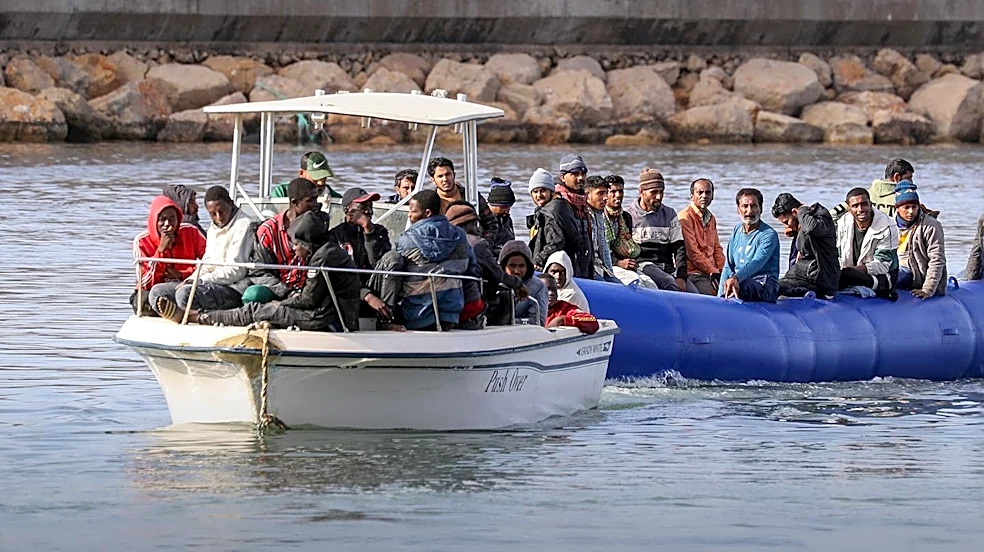
Oxfam and Amnesty International, among eight charities, have filed a complaint with Spain’s ombudsman alleging serious rights violations concerning migrants in Ceuta. The complaint details accusations of forced returns of migrants, including individuals
from conflict-affected countries, and inadequate access to interpreters and legal assistance. These allegations arise as Spain attempts to manage a significant backlog of migrants in its North African enclave, following a mass border crossing. Humanitarian organizations claim that some migrants were pressured into returning to Morocco or deported without proper explanation, raising concerns about the adherence to asylum rights and international protection standards.
Why It's Important?
This complaint is important as it highlights the ongoing tension between national immigration control efforts and international human rights obligations. The allegations of forced returns and denial of due process, if substantiated, could indicate a breach of international law, particularly the principle of non-refoulement, which prohibits returning individuals to countries where they face persecution. For the U.S., such developments in European migration policy can influence broader international discussions on refugee protection and border management, potentially setting precedents or raising questions about the consistency of human rights standards across allied nations. It also underscores the critical role of NGOs in holding governments accountable for their treatment of vulnerable populations.
What's Next?
The Spanish ombudsman will likely investigate the allegations made by Oxfam, Amnesty International, and other charities. This investigation could lead to recommendations for policy changes, increased oversight, or legal action against officials found to have violated rights. Internationally, these complaints could draw further scrutiny from human rights bodies and the European Union, potentially leading to pressure on Spain to review its migrant processing procedures. Humanitarian organizations will continue to monitor the situation in Ceuta, providing support to migrants and advocating for their rights, while the Spanish government will need to balance its efforts to manage migration flows with its commitments to international human rights standards.
Beyond the Headlines
The situation in Ceuta, as highlighted by Oxfam and Amnesty International, reflects a broader European challenge in managing migration flows while upholding human rights. The pressure to accelerate deportations often clashes with the complex individual assessments required for asylum claims, particularly for vulnerable populations. This scenario raises ethical questions about the balance between national sovereignty and universal human rights, and the practical difficulties of implementing international protection frameworks in crisis situations. The long-term implications could include a re-evaluation of EU migration policies, increased calls for shared responsibility among member states, and a deeper examination of the root causes of migration to prevent such humanitarian crises at borders.