




What's Happening?
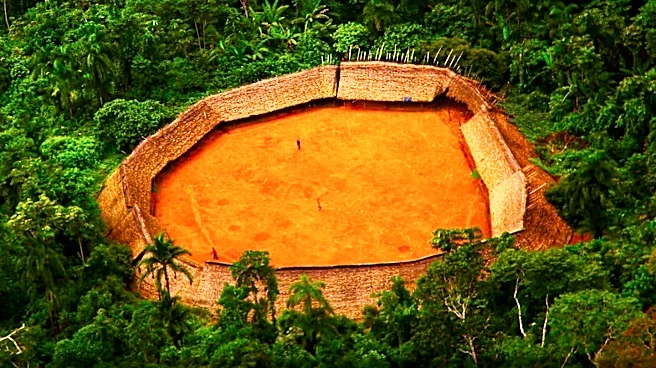
Efforts to combat biodiversity loss in the Amazon and other regions are increasingly recognizing the vital role of Indigenous peoples. Their territories consistently show lower deforestation rates compared to non-Indigenous areas, often surpassing even
protected zones in effectiveness. Despite these clear benefits, Indigenous communities' involvement in environmental decision-making processes remains limited and often symbolic. A recent briefing by Emil Sirén Gualinga highlights the need to transition from token gestures to the full and effective inclusion of Indigenous peoples in biodiversity policy, particularly under the Kunming-Montreal Global Biodiversity Framework (KMGBF). This framework, adopted in 2022, aims to halt biodiversity loss by 2030 and stresses the necessity of involving all stakeholders, including Indigenous groups, in its planning and execution. Indigenous rights, as outlined in the UN Declaration on the Rights of Indigenous Peoples (UNDRIP), affirm their entitlement to participation and free, prior, and informed consent (FPIC). However, challenges persist, including complex decision-making processes, the frequent oversight of Indigenous priorities, barriers to inclusion for women and youth, and significant underfunding.
Why It's Important?
The recognition and empowerment of Indigenous communities in environmental decision-making are crucial for the success of global biodiversity conservation efforts, including those impacting U.S. interests through international agreements and supply chains. The current underrepresentation of Indigenous voices in policy-making, despite their proven effectiveness in protecting ecosystems, represents a significant missed opportunity. Their traditional knowledge and sustainable practices offer invaluable insights for addressing environmental challenges. Furthermore, the ethical implications of excluding rights-holders from decisions directly affecting their lands and livelihoods are substantial. The briefing underscores that meaningful participation is not merely a formal requirement but a fundamental component for achieving biodiversity goals. Without their full involvement, conservation initiatives risk being less effective, potentially leading to continued environmental degradation that could have broader economic and social consequences, including impacts on resource availability and climate stability.
What's Next?
The call to action from the briefing suggests that governments, non-governmental organizations, and the private sector must shift their perspective, recognizing Indigenous communities as rights holders rather than just stakeholders. This shift necessitates concrete steps to ensure their meaningful, informed, and inclusive participation in all stages of biodiversity policy and project implementation. Future actions will likely involve developing more robust mechanisms for engaging with diverse Indigenous governance structures, ensuring that projects align with Indigenous 'Life Plans,' and actively addressing barriers to inclusion for marginalized groups within these communities, such as women and youth. A critical next step is also to increase funding directly to Indigenous peoples, ensuring they have the resources to participate effectively and implement their own conservation strategies. The success of the KMGBF and broader biodiversity efforts will depend on how effectively these recommendations are integrated into practice.
Beyond the Headlines
The deeper implications of this issue extend beyond environmental conservation to fundamental questions of human rights, social justice, and sustainable development. The historical marginalization of Indigenous peoples in decision-making processes reflects a broader pattern of systemic inequality. By advocating for their full and effective participation, the briefing highlights the ethical imperative to rectify past injustices and acknowledge the inherent value of Indigenous self-determination. Furthermore, the emphasis on Indigenous 'Life Plans' underscores a holistic approach to development that integrates social, cultural, and territorial priorities, offering a powerful alternative to conventional, often extractive, development models. This shift could trigger a re-evaluation of how conservation and development projects are conceived and implemented globally, fostering more equitable partnerships and leading to more resilient and culturally appropriate solutions for environmental challenges. The long-term impact could be a paradigm shift in global environmental governance, prioritizing local knowledge and community rights.