








What's Happening?
A Delta Air Lines flight from Atlanta to Portland witnessed an unexpected event when a passenger, Ashley Blair, gave birth to a baby girl just before landing. The incident occurred on a Boeing 737 with 153 passengers on board. Two paramedics, Tina Fritz
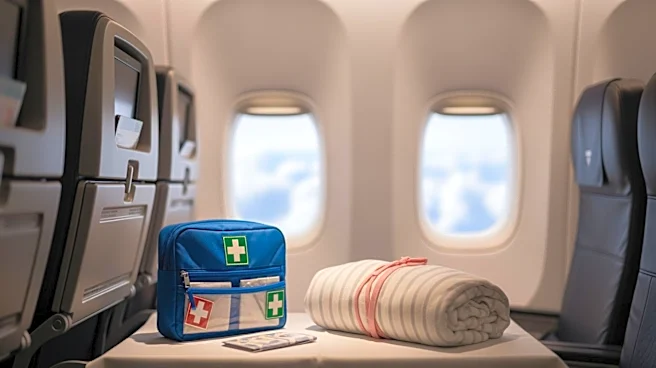
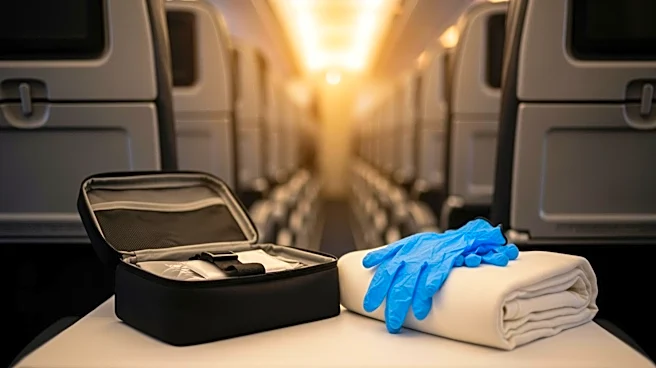
and Kaarin Powell, who were returning from a vacation, assisted in the delivery. Blair, who was traveling to Oregon to be with her mother for the birth, went into labor about 30 minutes before the plane's arrival. The paramedics, initially attending to another passenger, were called to assist Blair. With no obstetrical kit available, they improvised using blankets from passengers and a shoelace to tie off the umbilical cord. The baby, named Brielle Renee Blair, was born healthy, and both mother and child were later transported to a local hospital for observation.
Why It's Important?
This incident highlights the critical role of emergency preparedness and the ability of trained professionals to adapt in unexpected situations. The successful delivery of a baby mid-flight underscores the importance of having medical personnel on board, even if by chance, and the need for airlines to be equipped for medical emergencies. The event also brings attention to the protocols airlines have in place for such situations, emphasizing the importance of quick thinking and resourcefulness. For Delta Air Lines, this incident serves as a testament to the dedication of its crew and the goodwill of passengers who contributed to a positive outcome. It also raises awareness about the potential challenges faced during air travel, particularly for pregnant passengers.
What's Next?
Following this event, airlines may review and potentially enhance their emergency medical protocols to better prepare for similar situations. This could include ensuring that flight crews are trained to handle childbirth and other medical emergencies more effectively. Additionally, there may be discussions about the availability of medical kits on flights and the role of volunteer medical professionals in such scenarios. For the passengers involved, particularly the paramedics, this experience may lead to further recognition and appreciation for their quick response and adaptability.