





What's Happening?
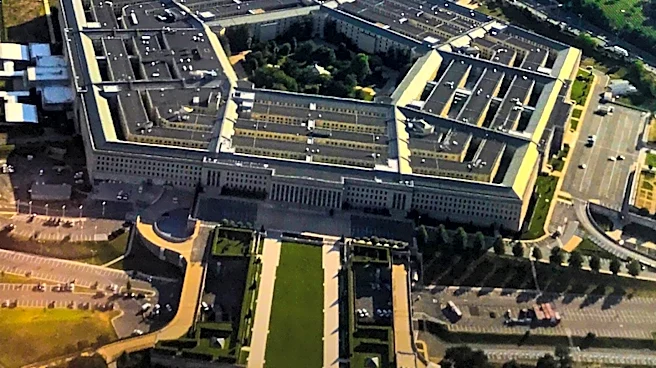
The Pentagon has appointed Christian Devine, a public affairs executive, as the acting publisher of Stars and Stripes, the military newspaper. This appointment, effective immediately, was announced in an October 8 memo signed by chief Pentagon spokesperson
Sean Parnell. Devine, who recently retired as a Marine public affairs officer before taking on a civilian role within the Pentagon, will report directly to a senior Pentagon public affairs official. The memo instructs Devine to delegate management functions to the military deputy to the publisher to ensure compliance with departmental instructions regarding business and editorial operations. This move comes as the Pentagon aims to modernize the platform and prioritize original, mission-focused reporting relevant to the U.S. military community.
Why It's Important?
This leadership change at Stars and Stripes raises significant questions about the newspaper's editorial independence, a long-standing tradition for the publication. Devine's continued role within the Pentagon's public affairs chain of command creates a potential conflict of interest, as the paper is meant to operate independently from the Defense Department. The appointment follows earlier comments from Sean Parnell in January, who stated a desire to "refocus" Stars and Stripes content away from "woke distractions." This shift could impact the type of news and information provided to U.S. service members and their families, potentially influencing morale and the perception of military leadership. The lack of a public press briefing from the Pentagon in recent months, despite ongoing conflicts, further highlights concerns about transparency and public messaging within the department.
What's Next?
The appointment of Christian Devine as acting publisher will remain in effect until a permanent publisher is selected. The Pentagon has not yet responded to requests for comment regarding how Stars and Stripes' editorial independence will be safeguarded under this new arrangement. Stakeholders, including military personnel, media watchdogs, and the public, will likely monitor the newspaper's content for any shifts in editorial direction or perceived influence from the Pentagon's public affairs office. The delegation of management functions to the military deputy to the publisher is intended to ensure compliance with department instructions, but the extent of this delegation and its impact on day-to-day editorial decisions will be a key area of observation. The long-term implications for the newspaper's role as an independent voice for the military community remain to be seen.
Beyond the Headlines
The appointment of a Pentagon public affairs official to lead Stars and Stripes touches upon broader issues of media independence and government influence over information dissemination, particularly within institutions serving the military. The historical role of Stars and Stripes has been to provide uncensored news to service members, acting as a crucial check on military leadership and a source of objective information. Any perceived erosion of this independence could have profound implications for military morale, trust in leadership, and the overall health of democratic principles within the armed forces. It also highlights the ongoing tension between government communication strategies and the public's right to independent information, especially in times of conflict. The situation could set a precedent for how government-funded media outlets are managed, potentially influencing similar institutions in the future.