







What's Happening?
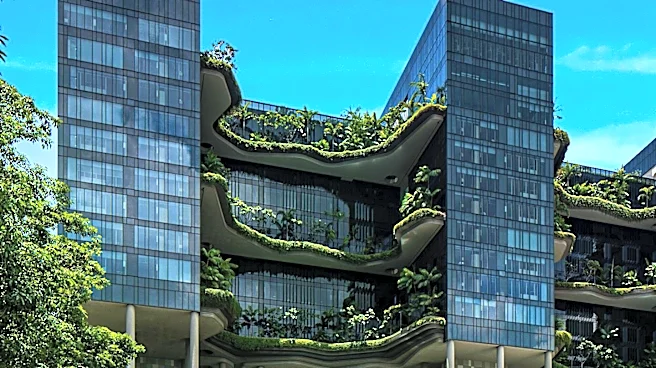
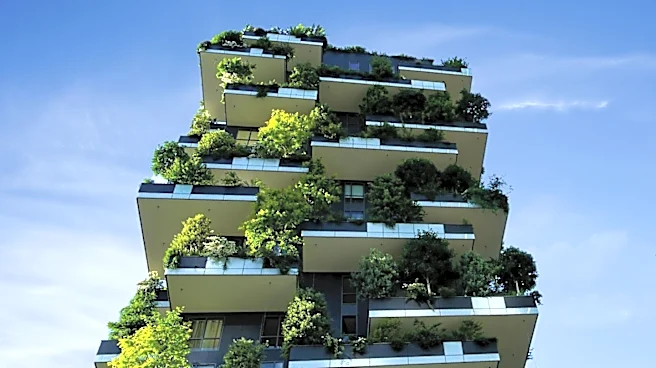
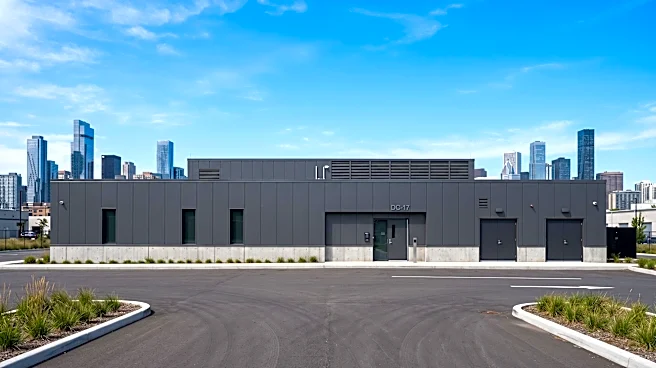
Thomas Heatherwick, founder and Design director of Heatherwick Studio, has issued a call for a fundamental change in architectural design, arguing that the prevalence of 'characterless architecture' negatively impacts people's well-being. Speaking at the Global
Wellness Summit in Phuket, Thailand, Heatherwick described the current built environment as being 'surrounded by plain, flat, shiny, anonymous, monotonous, serious places.' He asserted that this 'boringness' is not merely an aesthetic issue but has public-health implications, citing research suggesting that visually monotonous environments can cause stress. Heatherwick highlighted that buildings people do not care about are more likely to be demolished, contributing significantly to carbon emissions. He emphasized that architects and developers should view their work as a form of public service, focusing on creating spaces that evoke emotion and are designed to be valued for generations.
Why It's Important?
Heatherwick's critique of 'boring buildings' carries significant implications for the U.S. architecture, urban planning, and construction industries. His argument that monotonous environments negatively affect public well-being challenges conventional development practices that often prioritize cost-efficiency and uniformity over human experience and aesthetic richness. This perspective could spur a re-evaluation of design philosophies, encouraging architects and developers to invest in more engaging, human-centered structures. For U.S. cities, this could mean a push for more diverse and stimulating urban landscapes, potentially leading to improved mental health and community engagement. Furthermore, his point about the environmental cost of disposable architecture highlights the need for sustainable design that fosters longevity and adaptability, impacting material choices, construction methods, and waste management in the U.S. building sector. This shift could benefit innovative design firms and material suppliers while challenging those resistant to change.
What's Next?
Heatherwick's call to action is supported by a recently announced £1.5 million research partnership involving his Humanise campaign, UK Research and Innovation (UKRI), and the University of Glasgow. This project, titled 'Delivering Humanised Places,' will investigate how buildings and places affect health, well-being, pride, and belonging, and how this evidence can inform future development. This research could provide concrete data to support policy changes and design guidelines in the U.S., encouraging more human-centric architecture. Developers and architects may increasingly be pressured to consider the emotional and psychological impact of their designs, moving beyond purely functional or aesthetic considerations. This could lead to a greater emphasis on unique, context-sensitive designs, the use of varied materials, and the creation of public spaces that foster curiosity and interaction. The long-term goal is to create a built environment that is more 'generous' and serves the broader public, not just clients.
Beyond the Headlines
Heatherwick's argument delves into the deeper psychological and ethical dimensions of architecture. By suggesting that 'boringness' is a public health issue, he elevates architectural design from a matter of taste to a critical determinant of societal well-being. This perspective implies that architects and urban planners hold a significant ethical responsibility to create environments that nurture human flourishing rather than merely housing activities. The concept of 'brain nutrition' through visual complexity suggests an innate human need for stimulating surroundings, challenging the modernist ideal of minimalist uniformity. This could trigger a cultural re-evaluation of what constitutes 'good' architecture, moving away from purely functional or economically driven designs towards those that prioritize emotional resonance and long-term human connection. The emphasis on longevity and adaptability also highlights a shift towards more sustainable and responsible development practices, where buildings are seen as enduring contributions to a community rather than temporary structures with a high environmental cost.