







What's Happening?
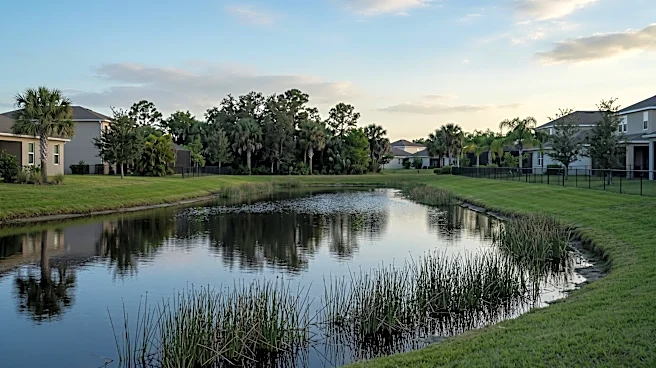
Residents in Viera, Florida, are embroiled in a dispute with their homeowners association (HOA) over the removal of two alligators from a retention pond. Following a nuisance complaint, a contracted alligator trapper began operations, leading one resident,
Donald, to believe both alligators are now dead after hearing gunshots. Over 80 residents signed a petition opposing the removal, arguing the alligators were peaceful and non-aggressive. The Florida Fish and Wildlife Conservation Commission (FWC) defines a nuisance alligator as one at least four feet long that is believed to pose a threat to people, pets, or property. While the alligators in question were reportedly larger than four feet, residents dispute whether they truly posed a threat, citing instances where the animals retreated from humans and pets. News 6 has not independently confirmed the alligators' deaths, and both the FWC and the HOA have yet to respond to inquiries regarding the incident and the HOA's decision-making process.
Why It's Important?
This incident highlights the ongoing tension between urban development and wildlife conservation in Florida, a state with a significant alligator population. The FWC's Statewide Nuisance Alligator Program (SNAP) aims to manage these interactions, but the Viera case reveals a critical point of contention: the interpretation of what constitutes a 'threat.' Residents' efforts to save the alligators, including a petition, underscore a growing public desire for coexistence with wildlife rather than immediate removal. The HOA's role in granting permission for trapping without apparent community discussion raises questions about transparency and resident involvement in decisions affecting local ecosystems. The FWC's policy against relocating nuisance alligators, citing potential conflicts with existing populations and the animals' tendency to return, further complicates such situations, often leading to the alligators' demise. This scenario reflects a broader challenge in balancing human safety and property concerns with ecological preservation.
What's Next?
News 6 is awaiting responses from both the Florida Fish and Wildlife Conservation Commission (FWC) and the Viera homeowners association (HOA) regarding the specific details of the alligator removal, including whether the animals were captured or killed. Residents who initiated the petition are likely to continue seeking answers and potentially push for greater transparency and community input in future wildlife management decisions within their neighborhood. The outcome of this situation could influence how similar nuisance wildlife complaints are handled in other Florida communities, potentially leading to revised HOA policies or increased resident advocacy for non-lethal solutions. The FWC's guidelines on nuisance alligators will remain a key factor, and public awareness campaigns about safe coexistence with alligators may be reinforced.
Beyond the Headlines
The Viera alligator dispute delves into deeper ethical and societal questions about humanity's relationship with nature, particularly in rapidly developing areas. The residents' emotional attachment to the alligators, even giving them nicknames, illustrates a desire for connection with local wildlife, contrasting with the more utilitarian approach of nuisance animal removal. This case also exposes the power dynamics within community governance, where an HOA's decision can override significant resident sentiment. The FWC's reliance on private trappers, who are primarily compensated through the sale of alligator products, introduces a commercial aspect to wildlife management that can be ethically challenging for some. The debate extends beyond these specific alligators to the broader philosophical question of when human convenience or perceived safety should supersede the lives of wild animals, especially when their presence is a natural part of the local ecosystem.