







What's Happening?
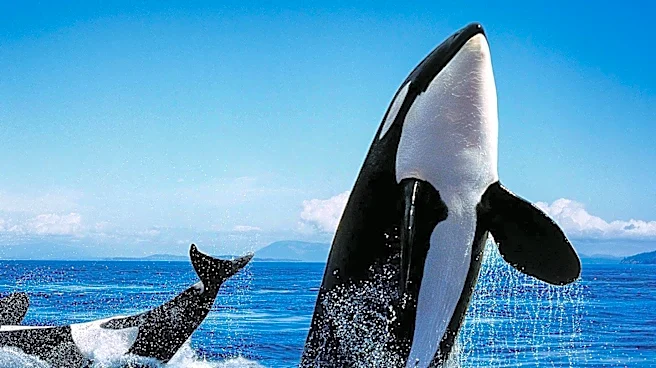
Toñi, the oldest known Iberian orca, has been discovered with multiple fresh marks on her dorsal fin and back, believed by conservationists to be caused by shotgun pellets. The injuries were not present in photographs taken just weeks prior. Spain’s Ministry
for the Ecological Transition and the Demographic Challenge (MITECO) confirmed that the marks are compatible with possible pellet shots and has launched preliminary investigative proceedings to determine the cause and identify those responsible. Marine conservation groups WeWhale and Iberian Orca Guardians, who reported the injuries, counted approximately 10 apparent pellet impacts on the left side of her dorsal fin, with some projectiles possibly passing through or remaining lodged. Toñi, also known as 'La Abuela' (the grandmother), is an estimated 60 years old and a member of the critically endangered Iberian orca population in the Strait of Gibraltar and Gulf of Cádiz.
Why It's Important?
This incident is significant as it involves a critically endangered species and raises serious concerns about human-wildlife conflict. The Iberian orca population is already vulnerable, and any deliberate harm to an individual, especially an elder like Toñi, could have severe consequences for the population's survival and genetic diversity. The investigation by Spanish authorities underscores the legal protections for endangered species, with potential penalties of up to 2 million euros and criminal liability for violations. This event also highlights the ongoing tensions between orcas and boats in the region, which have been documented since 2020. While authorities advise against using deterrents that could harm cetaceans, the suspected shooting suggests a dangerous escalation in these interactions, posing a threat to both marine life and the safety of those on the water.
What's Next?
Spanish authorities, specifically MITECO’s General Directorate of Biodiversity, Forests and Desertification, will continue their investigation to determine the exact cause of Toñi's injuries and identify any responsible parties. Conservation groups WeWhale and Iberian Orca Guardians will continue to monitor Toñi's physical condition and behavior, as the injuries, particularly to her fin, could lead to complications like infection. The incident may prompt increased enforcement of existing regulations protecting endangered species and potentially lead to new measures to mitigate human-orca interactions in the Strait of Gibraltar. Public discussion around the interactions between Iberian orcas and vessels is likely to intensify, with conservationists emphasizing that deliberate harm to these animals is unacceptable, regardless of opinions on their interactions with boats.
Beyond the Headlines
The suspected shooting of Toñi brings to light the complex ethical challenges of coexisting with wildlife, especially when human activities intersect with critical habitats. It underscores the moral responsibility to protect endangered species and the potential for human frustration or fear to manifest in harmful ways. This event could trigger a broader conversation about the effectiveness of current conservation strategies and the need for more robust public education and conflict resolution mechanisms in areas where human and wildlife interests clash. The long-term implications could include a re-evaluation of maritime practices in sensitive ecological zones and a push for greater international cooperation in protecting migratory marine species. It also highlights the vulnerability of even large, powerful marine animals to human actions, emphasizing the delicate balance of marine ecosystems.