






What's Happening?
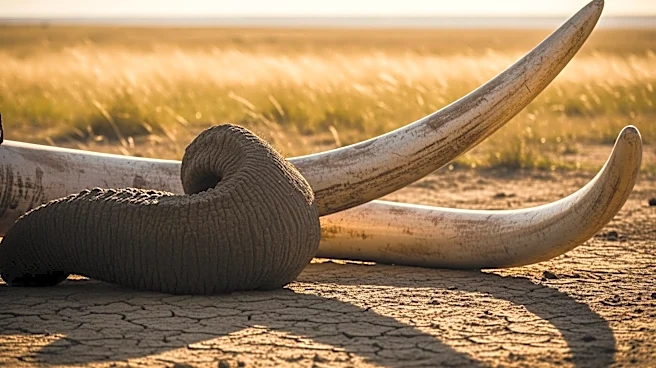
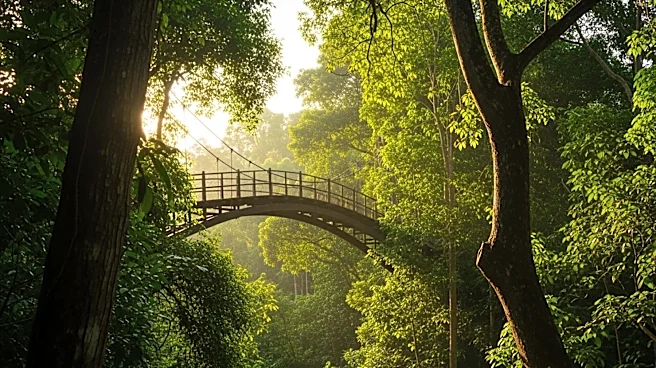
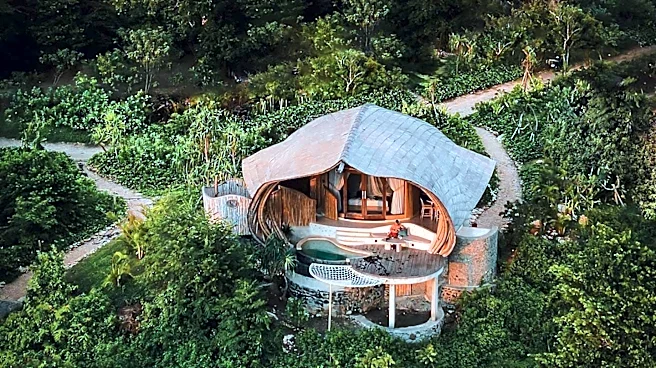
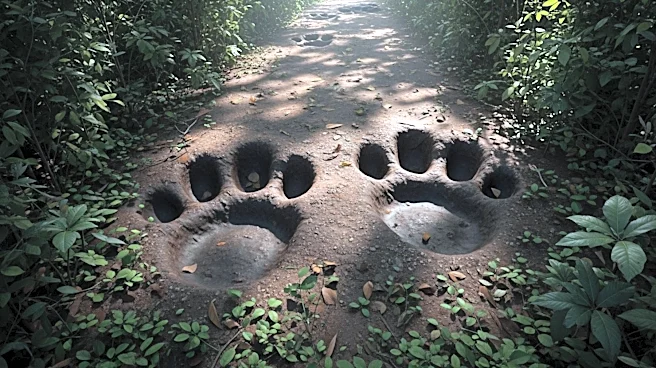
In the Central African Republic, particularly in the southwest region around Dzanga-Sangha National Park, ecotourism is emerging as a potential economic driver. Despite the country's reputation for instability, the park has seen a modest increase in visitors,
with around 800 tourists in 2025. The park is known for its high density of forest elephants and a population of habituated lowland gorillas, which are major attractions. Local officials, such as Gervais Pamongui, a deputy director of the protected areas, attribute this growth to the park's natural appeal and a relative stability in the region. However, the benefits of tourism are currently limited, with employment opportunities confined to a small segment of the population. Challenges such as poor infrastructure and food shortages persist, and while revenue-sharing arrangements exist to support local services, the overall economic impact remains constrained.
Why It's Important?
The development of ecotourism in the Central African Republic represents a significant opportunity for economic growth in a region often plagued by conflict and poverty. By attracting tourists, the park not only provides jobs for guides, trackers, and lodge staff but also generates revenue that can be reinvested into local communities. This includes funding for health facilities, a mobile clinic, and a solar farm, which are crucial for improving living standards. However, the success of this initiative depends on its ability to expand beyond the park and create a sustainable economic model that benefits a broader segment of the population. If successful, it could serve as a model for other regions facing similar challenges.
What's Next?
The future of ecotourism in the Central African Republic will likely depend on continued stability in the region and the ability to address existing infrastructure challenges. Plans to upgrade facilities, such as the viewing platform at Dzanga Bai, are underway, which could enhance the visitor experience and attract more tourists. Additionally, expanding the revenue-sharing model to include more community services could help distribute the economic benefits more evenly. Stakeholders, including government agencies and conservation groups, will need to collaborate to ensure that the gains from tourism are sustainable and contribute to long-term economic development.
Beyond the Headlines
The emergence of ecotourism in the Central African Republic highlights the potential for conservation efforts to drive economic development in regions with limited opportunities. It also underscores the importance of balancing environmental preservation with community needs. As the model develops, it will be crucial to ensure that local communities are active participants in the decision-making process and that their cultural and economic interests are respected. This approach could foster a more inclusive and sustainable form of tourism that benefits both the environment and the people who depend on it.