







What's Happening?
A recent CNBC All-America Economic Survey indicates a growing pessimism about the U.S. economy, with 61% of respondents expressing a negative outlook. This sentiment is the highest since December 2023, despite improvements in the stock market and inflation
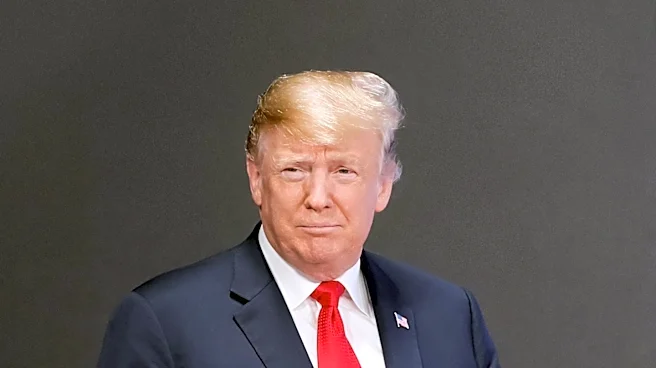
rates. The survey, which included 1,000 registered voters, shows that 47% of the public is cutting back on essential items like food and medical care due to rising costs. President Trump's approval ratings remain low, with 60% disapproving of his economic management. The survey also highlights a modest Democratic advantage in congressional preference, though the electorate remains deeply divided.
Why It's Important?
The survey's findings underscore significant public concern over economic conditions, which could influence upcoming elections. Rising costs are prompting Americans to reduce spending on essentials, potentially impacting consumer-driven economic growth. President Trump's low approval ratings on economic issues may affect his political leverage and the Republican Party's standing. The modest Democratic advantage suggests potential shifts in congressional control, though the electorate's division indicates a complex political landscape. The economic sentiment could drive policy discussions and electoral strategies as parties address voter concerns.
What's Next?
As the midterm elections approach, both parties are likely to intensify their focus on economic issues. Democrats may leverage their slight advantage to push for policies addressing cost-of-living concerns, while Republicans might focus on other issues like immigration where they hold an advantage. The ongoing economic challenges could lead to further policy proposals aimed at alleviating public concerns. Voter sentiment will be crucial in shaping the political narrative and influencing legislative priorities in the coming months.