





What's Happening?
In the Cerrado region of Brazil, Indigenous fire practices are being integrated into wildfire management strategies. The Xerente Indigenous people, in collaboration with Brazil's environmental protection agency IBAMA, are using controlled burns to prevent
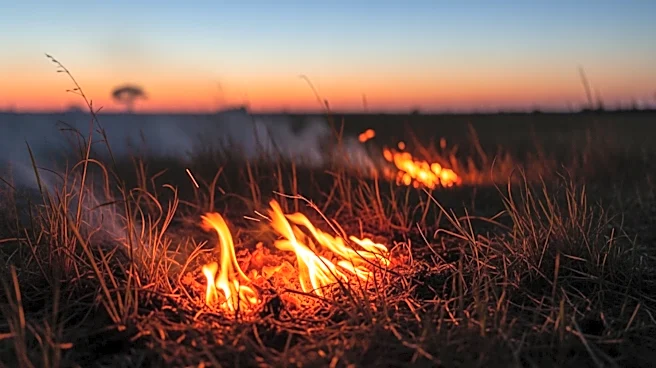
large-scale wildfires. This approach is part of a broader shift from a 'zero-fire' policy to one that combines traditional knowledge with scientific methods. The controlled burns are conducted using traditional techniques and modern technology, such as incendiary spheres dropped from helicopters. This strategy aims to create a patchwork of burned areas that protect the ecosystem during peak drought months, particularly with the anticipated effects of El Nino.
Why It's Important?
The integration of Indigenous fire practices into wildfire management is significant for several reasons. It represents a shift in policy that acknowledges the value of traditional ecological knowledge in addressing modern environmental challenges. This approach not only helps in preventing devastating wildfires but also supports biodiversity and ecosystem health in the Cerrado. The collaboration between Indigenous communities and government agencies could serve as a model for other regions facing similar challenges. Additionally, it highlights the importance of cultural and ecological knowledge in sustainable land management, potentially influencing policies beyond Brazil.
What's Next?
As El Nino conditions are expected to exacerbate droughts and increase wildfire risks, the success of these controlled burns will be closely monitored. The Brazilian government, under President Luiz Inácio Lula da Silva, has established a national fire management policy that includes these practices. The ongoing collaboration between Indigenous communities and environmental agencies is likely to expand, with potential for increased funding and support for training and equipment. The outcomes of this initiative could influence future environmental policies and fire management strategies in Brazil and other countries.
Beyond the Headlines
The use of controlled burns by Indigenous communities challenges misconceptions about their role in causing wildfires. It underscores the importance of integrating traditional knowledge with modern science to address complex environmental issues. This collaboration also highlights the potential for Indigenous practices to contribute to global efforts in combating climate change and preserving biodiversity. The initiative may inspire similar partnerships in other regions, promoting a more inclusive approach to environmental management.