








What's Happening?
New York City is currently dealing with an outbreak of Legionnaires' disease on the Upper East Side, with 23 confirmed cases as of Monday night. The outbreak has seen a significant increase from the initial two cases reported on July 2. Health Commissioner
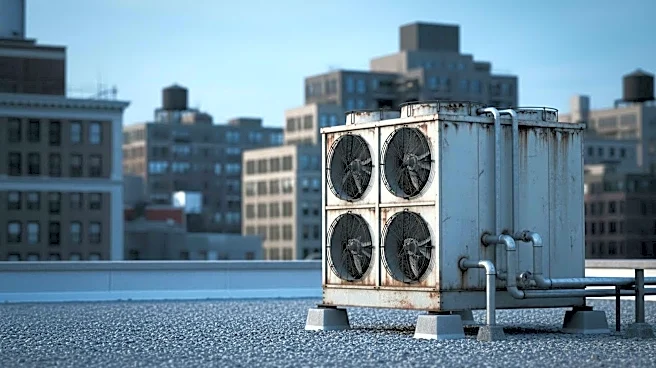
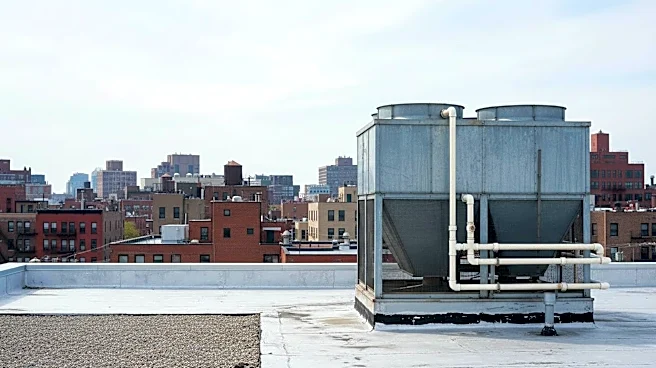
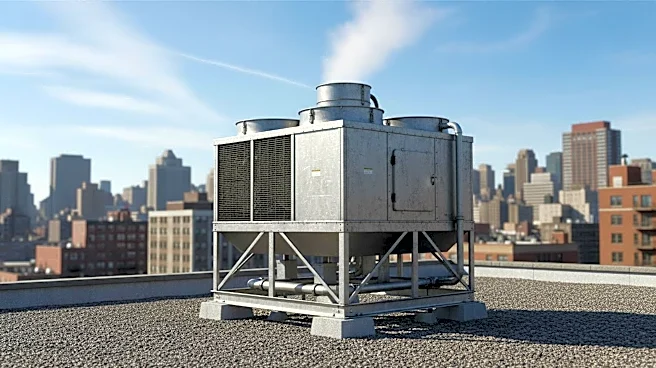
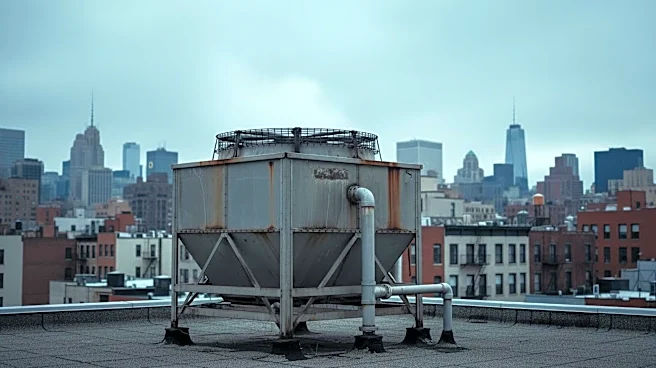
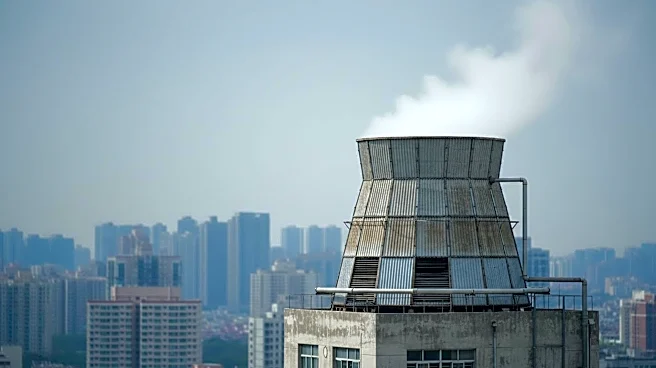
Dr. Alister Martin has confirmed that many of the affected individuals are hospitalized, with some in critical condition. The city's Department of Health is actively testing cooling towers in the area, believed to be the source of the bacteria, to prevent further spread. Residents in the affected ZIP codes are advised to seek medical attention if they experience flu-like symptoms. The disease, which is not contagious, can be treated with antibiotics but can be fatal if not addressed promptly.
Why It's Important?
The outbreak of Legionnaires' disease is a significant public health concern due to its potential severity and the rapid increase in cases. The disease poses a higher risk to individuals over 50, smokers, and those with weakened immune systems. The situation underscores the importance of stringent public health measures and infrastructure maintenance, particularly in urban areas with dense populations. The city's response, including testing and remediation of cooling towers, is crucial to prevent further cases and ensure public safety. This incident also highlights the need for ongoing vigilance and regulatory compliance to manage and mitigate health risks associated with urban infrastructure.
What's Next?
City officials are continuing their efforts to identify the specific source of the outbreak by testing over 160 cooling towers in the affected area. The health department is also working to ensure compliance with existing regulations that require regular testing and maintenance of cooling towers. The outcome of these efforts will be critical in preventing future outbreaks. Additionally, there may be increased scrutiny on building compliance with health regulations, potentially leading to policy reviews or updates to strengthen preventive measures.