







What's Happening?
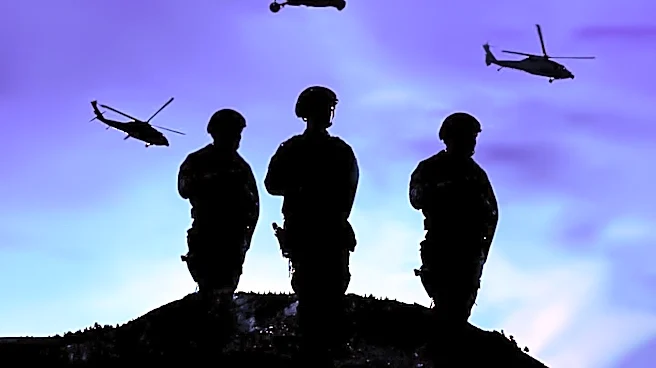
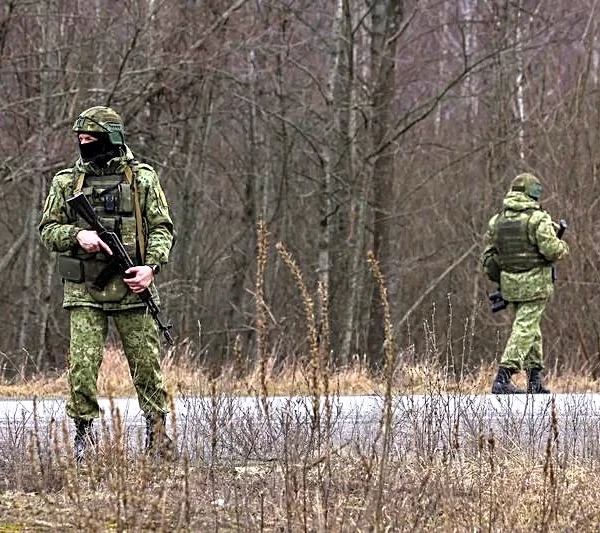
Cuban President Miguel Díaz-Canel has emphasized the nation's commitment to defending its homeland in the face of potential military aggression. Recent military exercises in Cuba showcased a range of capabilities, from antique trucks to advanced Russian-built
anti-aircraft systems and elite special forces training. Despite these displays, the nation's readiness remains a subject of scrutiny due to ongoing oil shortages and power outages. Cuban officials have stated they have no intention of threatening the United States but will defend themselves if attacked. The exercises included guerilla tactics training, with soldiers using motorbikes, rocket-propelled grenade launchers, and AK-style rifles, aiming to make the Cuban military harder to subdue.
Why It's Important?
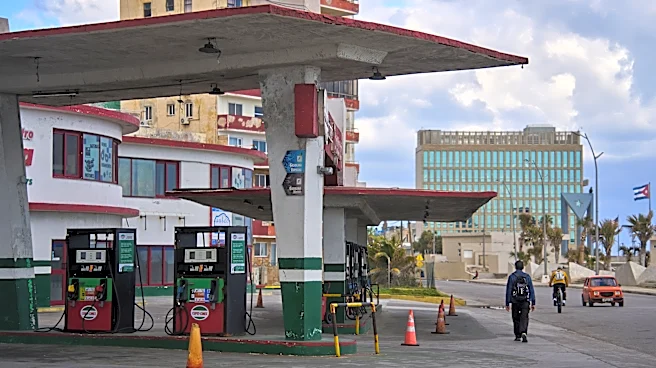
The military exercises in Cuba are significant as they reflect the country's strategic posture amidst heightened tensions with the United States. The emphasis on guerilla tactics and the use of outdated equipment highlight Cuba's adaptation to resource constraints and its focus on resilience. This development is crucial for U.S.-Cuba relations, as it underscores Cuba's defiance against external pressures, particularly from the Trump administration. The exercises serve as a reminder of the geopolitical complexities in the region, with Cuba projecting strength despite its limited capabilities. The situation could impact U.S. foreign policy decisions and influence regional stability.
What's Next?
Cuba's military strategy may continue to focus on guerilla tactics and showcasing resilience, given its resource limitations. The Cuban government might seek to strengthen its military capabilities through alliances or acquisitions, although economic constraints could limit these efforts. The U.S. may respond with diplomatic measures or increased pressure, depending on the perceived threat level. The ongoing situation could lead to further diplomatic engagements or tensions between the two nations, influencing future policy decisions and regional dynamics.
Beyond the Headlines
The Cuban military's reliance on outdated equipment and guerilla tactics reflects broader economic challenges faced by the nation. The exercises highlight the impact of resource shortages on national defense capabilities, raising questions about the sustainability of Cuba's military strategy. The situation also underscores the cultural and historical significance of military resilience in Cuba, drawing parallels to past defiance against external threats. These developments could influence Cuba's domestic policies and its approach to international relations, as the nation navigates economic and geopolitical pressures.