





What's Happening?
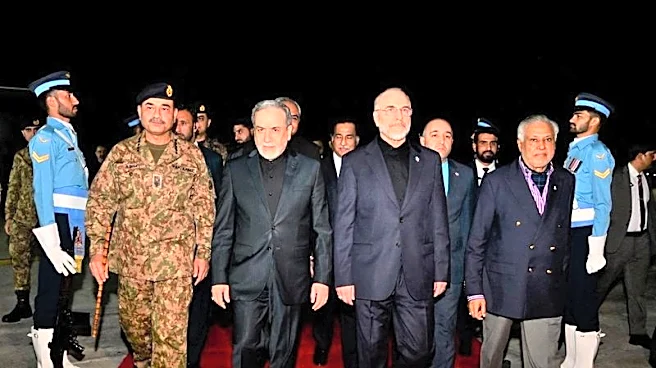
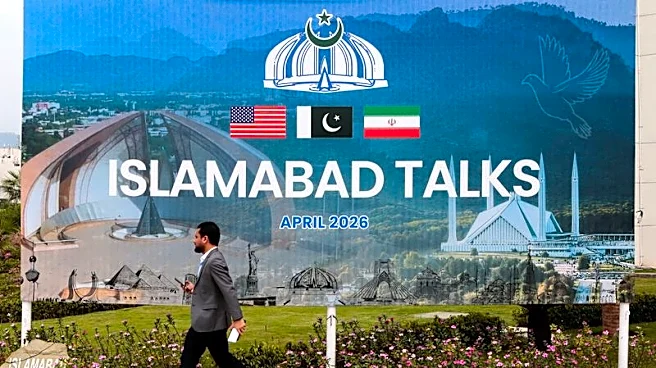
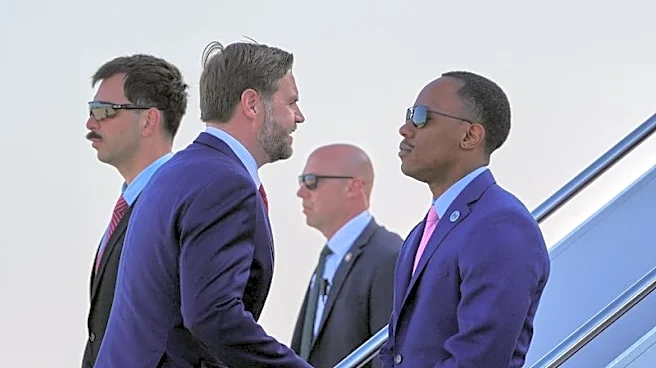
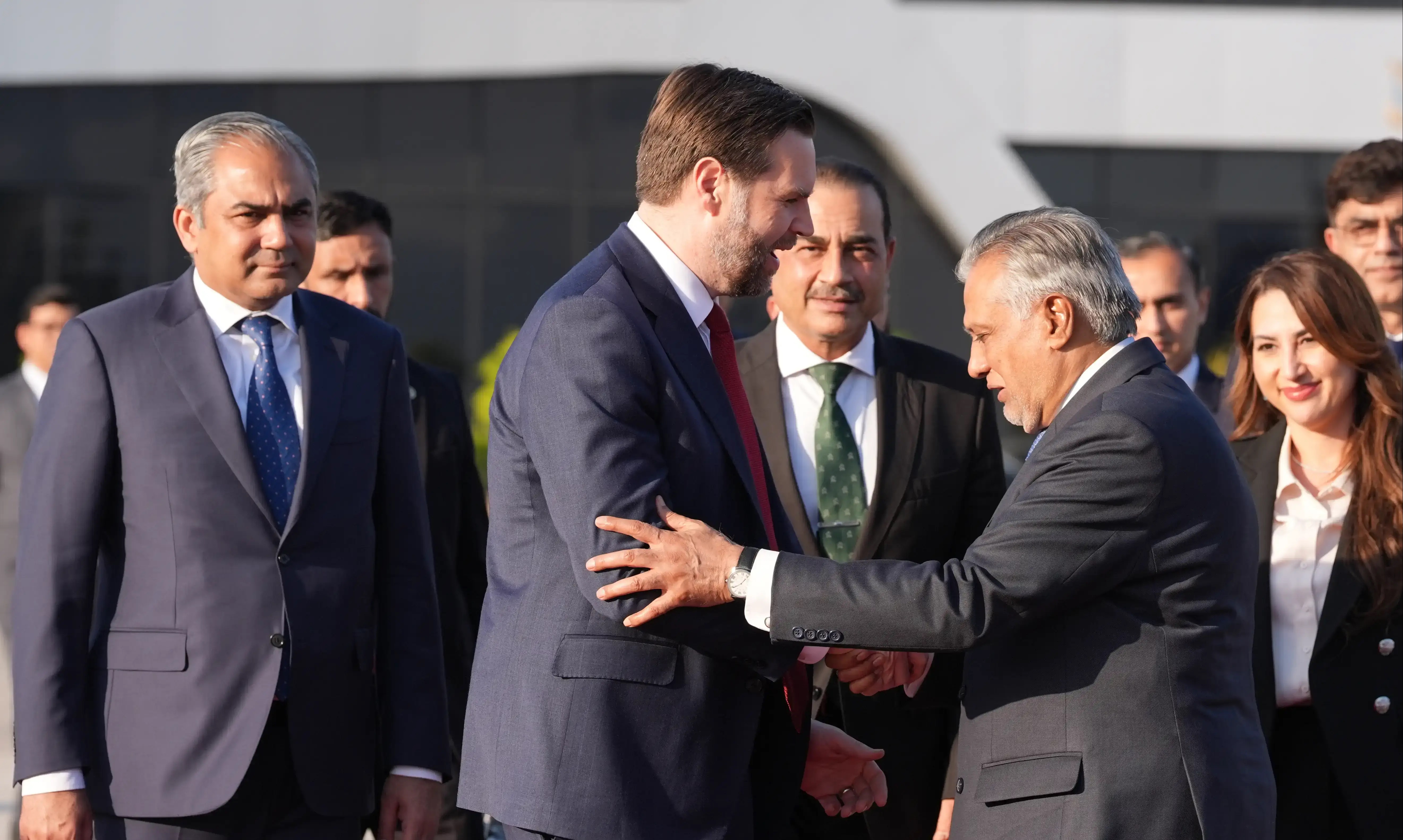
Negotiations between the United States and Iran concluded without reaching a peace agreement, as Iran refused to accept American terms to halt the development of nuclear weapons. The talks, held in Islamabad, Pakistan, lasted 21 hours and involved U.S.
Vice President JD Vance, who was in constant communication with President Trump. The discussions aimed to advance a ceasefire threatened by disagreements and ongoing Israeli attacks against Hezbollah in Lebanon. Despite the lack of agreement, technical personnel from both delegations continue to meet, and further talks are expected after a break.
Why It's Important?
The failure to reach an agreement on Iran's nuclear program has significant implications for regional stability and global markets. The ongoing conflict has already resulted in thousands of deaths and disrupted oil and natural gas shipments through the Strait of Hormuz, a critical chokepoint for global energy supplies. The inability to secure a commitment from Iran not to pursue nuclear weapons could lead to further escalation, impacting international relations and economic conditions. The U.S. and its allies face challenges in balancing military actions with diplomatic efforts to prevent nuclear proliferation.
What's Next?
Further negotiations between the U.S. and Iran are anticipated, with technical teams continuing discussions. The U.S. military is preparing for mine-clearing operations in the Strait of Hormuz to ensure safe passage for oil and gas shipments. President Trump has downplayed the importance of the negotiations, suggesting that the U.S. will benefit regardless of the outcome. The situation remains tense, with potential for increased military actions if diplomatic efforts fail to yield results.
Beyond the Headlines
The ongoing conflict and negotiations highlight the complex geopolitical dynamics in the Middle East, where historical tensions and strategic interests intersect. The U.S.'s approach to Iran's nuclear ambitions reflects broader concerns about regional power balances and the role of military force in achieving diplomatic objectives. The situation also underscores the challenges of negotiating peace in a region marked by deep-seated hostilities and competing interests.