


What's Happening?
Median Strategies, a previously unknown organization, admitted to fabricating at least three election polls across three U.S. states, including a Los Angeles mayoral race poll that was promoted by Mayor Karen Bass's campaign. The organization stated its
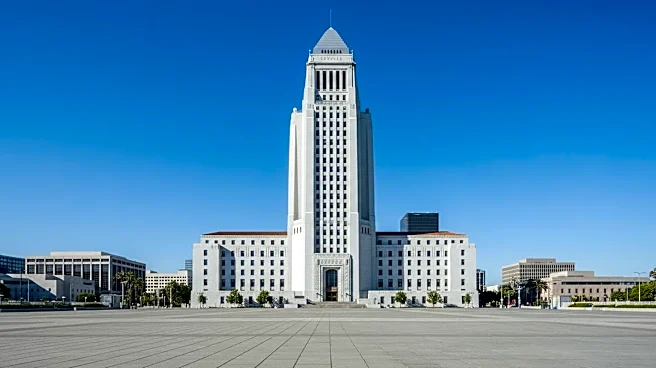
purpose was a 'short-term social experiment examining how purported polling information could enter and spread through the political information ecosystem without independent verification.' The fake polls claimed to evaluate support in the Democratic primary for governor in Wisconsin, the gubernatorial race in Nevada, and the mayoral race in Los Angeles. The Los Angeles poll, which falsely showed Mayor Bass leading, was shared on social media by her campaign and covered by a news outlet before its fabrication was revealed. Median Strategies has since shuttered its website, and the Bass campaign has deleted its social media post, defending itself by noting the poll's initial media coverage.
Why It's Important?
This incident highlights a significant vulnerability in the U.S. political information ecosystem, particularly concerning the integrity of election polling. In an era where political campaigns and outside groups have strong incentives to amplify favorable data, the ease with which invented numbers can appear legitimate poses a threat to informed public discourse and democratic processes. The lack of transparency from some polling entities, coupled with the rapid spread of information on social media, makes it challenging for the public and even campaigns to discern credible data from fabricated content. This can lead to misinformed voters, potentially influencing election outcomes, and eroding trust in legitimate polling organizations and news media. The incident also underscores the need for rigorous verification processes by news organizations and political campaigns before disseminating polling data.
What's Next?
The incident is likely to prompt increased scrutiny of polling methodologies and sources, particularly from news aggregators and political campaigns. There may be calls for greater transparency from polling firms, including detailed disclosures about their methods, funding, and personnel. The Bass campaign has called for investigations and prosecutions of bad-faith attempts to influence elections, suggesting potential legal or regulatory responses to such deceptive practices. Independent polling aggregators, like The New York Times and FiftyPlusOne, will likely continue to emphasize their strict vetting processes, which require basic information about how polls are conducted and who is behind them. This event could also lead to a broader discussion about media literacy and the critical evaluation of information in the digital age, especially concerning political data.
Beyond the Headlines
The 'social experiment' conducted by Median Strategies exposes a deeper societal challenge: the susceptibility to misinformation and disinformation, particularly in politically charged environments. The ease with which fake data can gain traction, even briefly, suggests a systemic issue where the desire for favorable narratives can override critical assessment. This incident touches upon the ethical responsibilities of those who conduct and disseminate information, highlighting the potential for manipulation and its impact on public trust. It also raises questions about the role of social media platforms in verifying content and preventing the spread of fabricated information. The long-term implications could include a further erosion of public confidence in institutions, including the media and political polling, if such incidents become more frequent or sophisticated, potentially leading to increased political polarization and cynicism.