
What's Happening?
Data centers are the foundational infrastructure supporting a vast array of modern digital services in the U.S., from everyday applications and streaming platforms to online shopping and artificial intelligence.
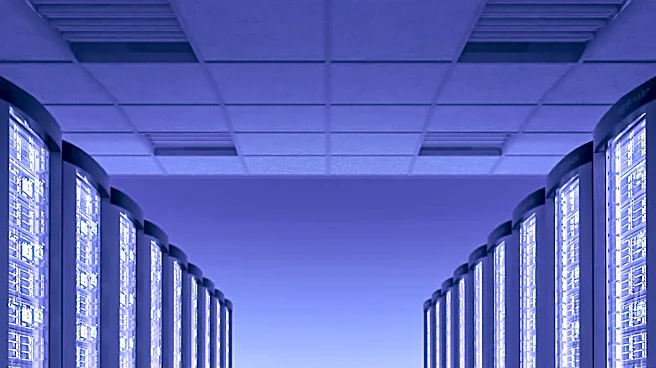
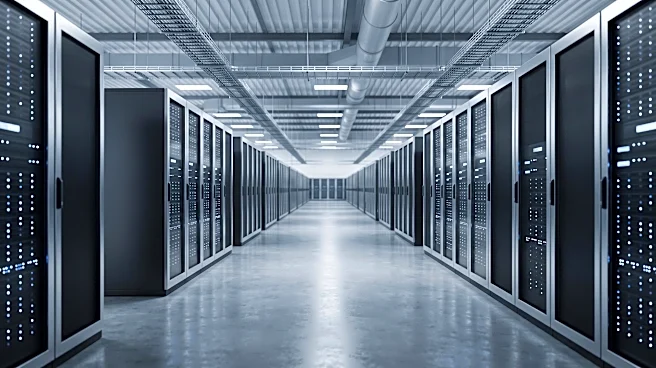
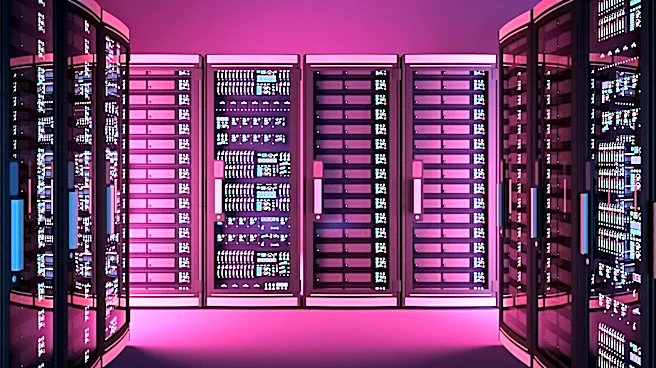
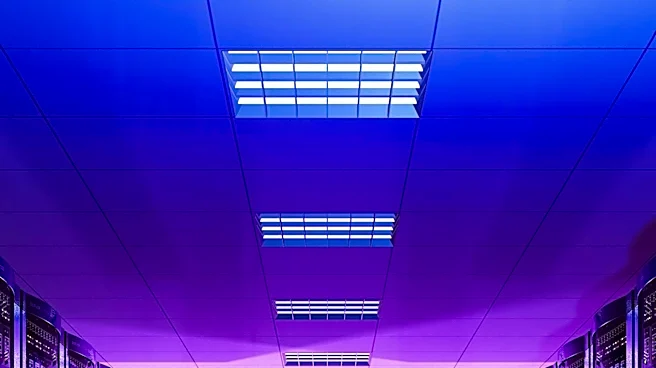
These facilities, often warehouse-sized, house thousands of servers that store data, process digital requests, and ensure online services operate continuously. When users interact with apps like Instagram or TikTok, stream content on Netflix, or conduct online banking, their devices connect to these servers, which retrieve and deliver information rapidly. The U.S. currently hosts approximately 4,000 operational data centers, with thousands more either planned or under construction, reflecting the escalating demand for cloud computing and AI technologies. This infrastructure is critical for syncing information across various platforms, enabling remote work tools such as video calls, cloud-based software, shared documents, and workplace messaging, making them as vital to daily operations as traditional utilities.
Why It's Important?
The increasing reliance on data centers signifies a fundamental shift in how the U.S. economy and society function, making them essential infrastructure for daily American life. Their continuous operation is crucial for maintaining economic productivity, particularly in the context of remote work, where cloud-based tools and digital collaboration are paramount. Any disruption to these centers could severely impact businesses, educational institutions, and individual consumers who depend on seamless digital connectivity for work, communication, and commerce. The rapid expansion of data center construction also indicates significant investment and job creation within the technology sector, while simultaneously raising concerns about energy consumption and environmental impact. Furthermore, the capacity and security of these data centers are directly linked to national economic security, as they underpin critical financial systems, government operations, and the burgeoning field of artificial intelligence, which is poised to reshape various industries.
What's Next?
The ongoing expansion of data center infrastructure is expected to continue, driven by the accelerating demand for cloud computing and artificial intelligence capabilities. This growth will likely lead to further technological advancements in server efficiency and data processing, as companies race to build more powerful facilities. Stakeholders, including technology companies, government agencies, and utility providers, will need to address challenges related to energy consumption, land use, and the environmental footprint of these massive facilities. There will also be increased focus on cybersecurity measures to protect the vast amounts of sensitive data stored within these centers. Additionally, the integration of AI workloads will necessitate specialized hardware and cooling solutions, pushing innovation in data center design and operation. The continuous evolution of this infrastructure will be critical for the U.S. to maintain its competitive edge in the global digital economy and support future technological advancements.
Beyond the Headlines
The pervasive role of data centers extends beyond mere technological convenience, touching upon profound ethical, legal, and cultural dimensions. The immense data collection and processing capabilities raise significant privacy concerns, as personal and sensitive information is constantly being stored and accessed. The concentration of data in these facilities also presents a tempting target for cyberattacks, necessitating robust legal frameworks and international cooperation to ensure data security and sovereignty. Culturally, the seamless digital experience fostered by data centers has reshaped human interaction, work-life balance, and access to information, creating a society increasingly dependent on instant connectivity. The environmental impact of these energy-intensive operations, particularly their carbon footprint, is a growing ethical concern, prompting calls for sustainable practices and renewable energy integration. Ultimately, the silent operation of data centers underpins a new digital reality, challenging societies to balance innovation with responsibility, privacy, and environmental stewardship.