




What's Happening?
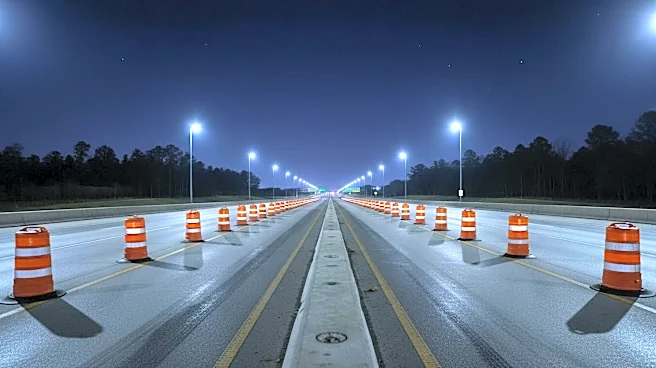
Two individuals died in a serious crash on Interstate 295 in Cumberland, Rhode Island, which led to the closure of the northbound lanes for several hours on Thursday. The incident occurred around 3:30 p.m. between the Mendon Road and Diamond Hill Road exits.
According to Rhode Island State Police, a preliminary investigation indicates that a vehicle traveling southbound near Mendon Road lost control, crossed the center median, entered the northbound lanes, and collided with a pickup truck. One victim was pronounced dead at the scene, while the driver of the pickup truck was transported to Rhode Island Hospital, where he later succumbed to his injuries. Neither driver has been publicly identified. A witness described the southbound vehicle going airborne after crossing the median before striking the northbound pickup truck head-on. The northbound side of I-295 was shut down for hours, with traffic backed up and drivers seeking alternate routes. All northbound lanes were reopened by 6:45 p.m. after debris was cleared and the on-scene investigation concluded. The cause of the vehicle losing control and crossing the median remains under investigation.
Why It's Important?
This tragic incident underscores the critical importance of road safety and infrastructure design on major U.S. highways. Fatal crashes like this not only result in immediate loss of life and severe injuries but also cause significant disruptions to transportation networks, impacting commuters, businesses, and emergency services. The closure of a major interstate like I-295 for several hours highlights the economic and logistical consequences of such events, leading to delays in goods movement and personal travel. Furthermore, the ongoing investigation into why the vehicle lost control and crossed the median could lead to discussions about potential safety enhancements, such as median barriers or improved road design, to prevent similar cross-median collisions. The emotional toll on witnesses and the community also emphasizes the broader societal impact of traffic fatalities, prompting renewed calls for driver vigilance and adherence to traffic laws to safeguard public safety on roadways.
What's Next?
The Rhode Island State Police will continue their investigation to determine the exact cause of the vehicle losing control and crossing the median. This will likely involve forensic analysis of the crash scene, vehicle inspections, and potentially toxicology reports. Depending on the findings, authorities may consider whether any charges are warranted. The incident could also prompt a review of safety measures along that specific stretch of I-295, particularly regarding median barriers, to prevent future cross-median accidents. State transportation officials and law enforcement may issue public advisories or campaigns to remind drivers about safe driving practices, especially concerning speed, distracted driving, and maintaining vehicle control. The community will likely await further details from the investigation, and the families of the victims will be navigating the aftermath of this sudden loss.
Beyond the Headlines
The incident on I-295 brings to light the inherent dangers of high-speed roadways and the potential for catastrophic outcomes when vehicles lose control. Beyond the immediate investigation, this event could reignite broader conversations about highway safety standards across the U.S., particularly concerning the effectiveness of current median designs in preventing head-on collisions. The psychological impact on witnesses, such as the woman who described the crash as 'horrible' and a reminder of how quickly life can change, highlights the often-overlooked trauma experienced by those who observe such events. This crash serves as a stark reminder of the fragility of life and the constant need for vigilance and responsibility behind the wheel. It also implicitly raises questions about driver education, vehicle maintenance, and the role of human error versus environmental or mechanical factors in severe accidents, prompting a deeper look into systemic approaches to road safety.