



What's Happening?
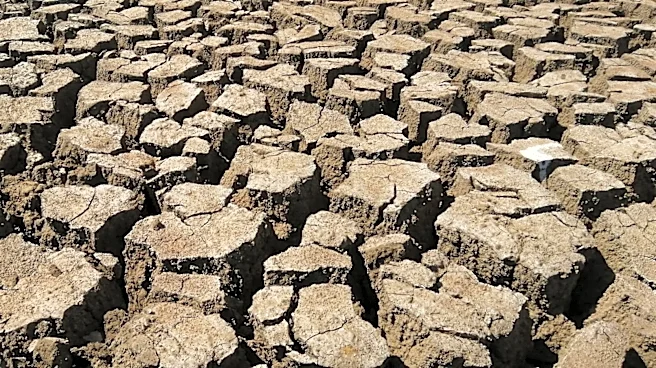
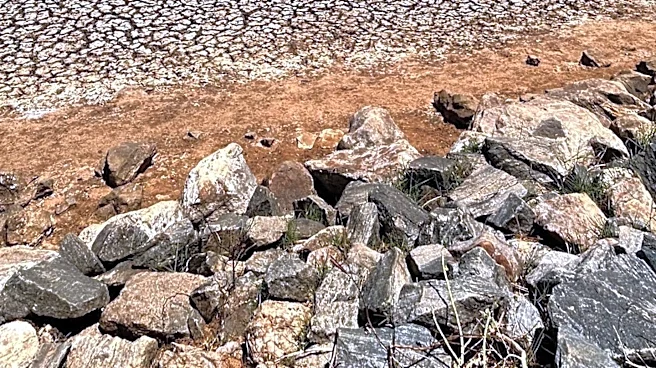
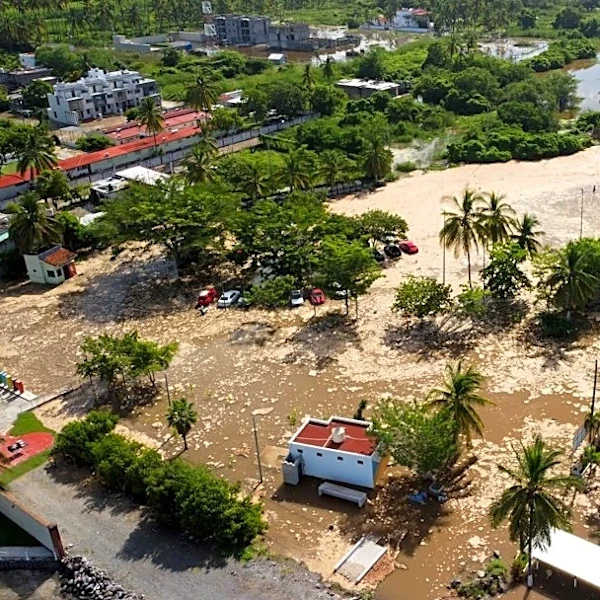
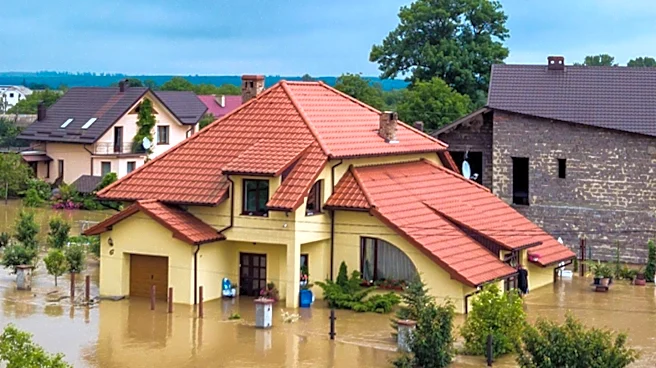
Norfolk, Portsmouth, and Suffolk experienced approximately six inches of rain in a 12-hour period on Friday, following nearly three weeks of dry conditions. This significant downpour managed to reduce Norfolk’s 2026 rainfall deficit by roughly half. However,
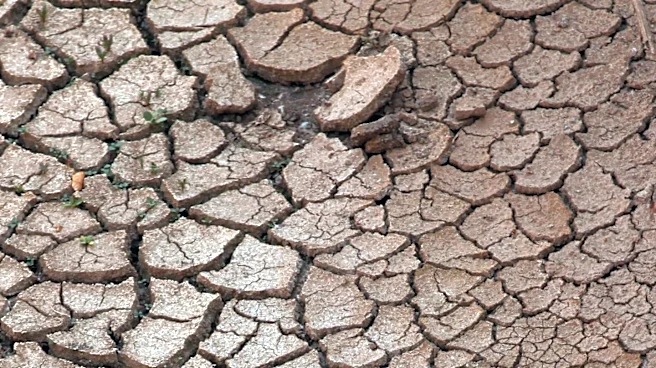
according to Mike Montefusco, lead forecaster with the National Weather Service in Wakefield, this single major rain event was insufficient to end the ongoing drought. Montefusco noted that a warmer climate contributes to the atmosphere's capacity to hold more moisture, thereby increasing the potential for heavier rainfall events. Despite the intense rainfall, much of the water became runoff rather than soaking into the ground or replenishing reservoirs, meaning Norfolk remains below its normal rainfall total for the year, and drought conditions are expected to continue into the following week.
Why It's Important?
The persistence of drought conditions in areas like Norfolk, even after substantial rainfall, highlights a critical challenge in water management and climate adaptation. While heavy rain can temporarily alleviate deficits, its rapid runoff prevents effective groundwater replenishment, which is crucial for long-term water security. This situation underscores the broader implications of climate change, where warmer temperatures lead to an atmosphere capable of holding more moisture, increasing the likelihood of intense, short-duration rainfall events rather than the incremental, day-long rains needed to break droughts. For U.S. communities, this pattern can lead to a cycle of flash flooding followed by continued drought, impacting agriculture, water supplies, and infrastructure. The inability of a single large rain event to resolve drought conditions suggests a need for more resilient water infrastructure and land management practices to capture and store water effectively.
What's Next?
Drought conditions are projected to continue in Norfolk into the next week, indicating that further rainfall is needed to fully alleviate the deficit. The National Weather Service emphasizes the necessity of incremental, day-long rainfalls for effective drought recovery, as opposed to intense, short-duration downpours that result in significant runoff. Local authorities and water management agencies will likely continue to monitor rainfall levels and water reserves closely. Communities in the affected regions may need to consider long-term strategies for water conservation and infrastructure improvements to better manage water resources in the face of changing climate patterns, which are expected to bring more extreme weather events, including both heavy rainfall and prolonged dry spells.
Beyond the Headlines
The scenario in Norfolk illustrates a complex interplay between climate change and local weather patterns, revealing a deeper challenge beyond simple rainfall deficits. The increased moisture-holding capacity of a warmer atmosphere, while potentially leading to more intense rain, does not guarantee an end to drought if the precipitation occurs as rapid runoff. This points to a systemic issue where climate change alters the very nature of rainfall, making it less effective for drought relief and potentially exacerbating flood risks. The long-term implications include the need for a re-evaluation of urban planning, drainage systems, and agricultural practices to adapt to these new precipitation dynamics. It also raises questions about the sustainability of current water management strategies in a rapidly changing climate, urging a shift towards more holistic approaches that consider both flood mitigation and drought resilience.