





What's Happening?
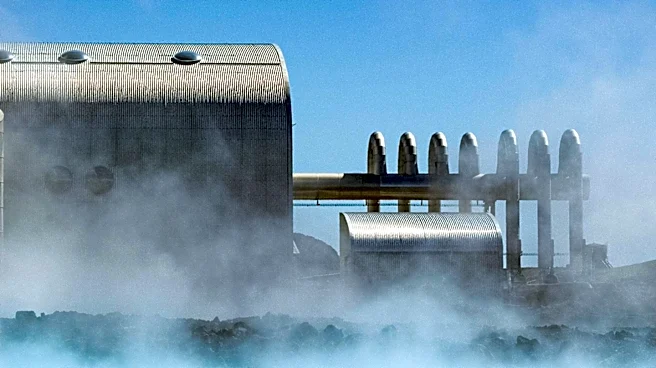
A significant boom in geothermal energy projects is underway in Western U.S. states, driven by new technologies and a growing demand from energy-intensive data centers. Tech giants like Meta and Google are investing in geothermal startups in New Mexico
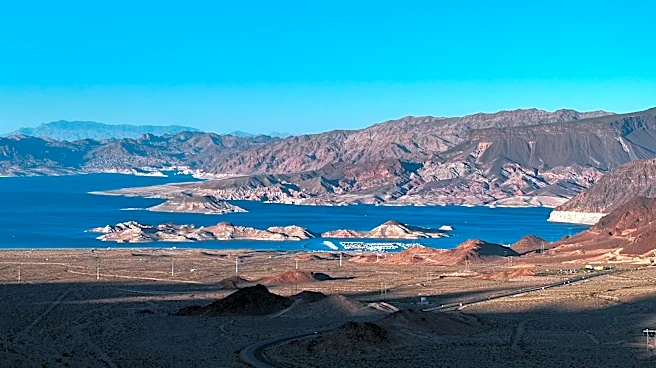
and Utah, seeking consistent, clean power to meet their climate goals. Google, for instance, has agreed to purchase 396 megawatts from Fervo’s upcoming Cape Station facility in southwest Utah. This surge in development is fueled by innovations in geothermal technology, some borrowed from the oil and gas industry, which allow for better access to the Earth's heat. However, these projects, located in arid regions, face a critical challenge: most new geothermal technologies require substantial amounts of water to produce power. This water demand is compounded by the water needs of data centers themselves, which use water for cooling servers to prevent overheating. The irony lies in developing water-dependent energy sources in areas already grappling with limited water resources and prolonged droughts.
Why It's Important?
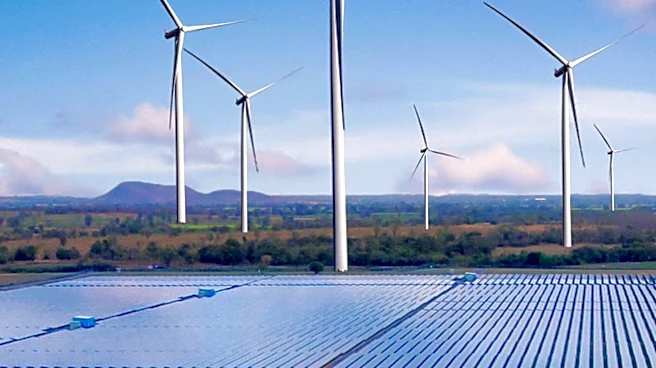
The expansion of geothermal energy in the Western U.S. is crucial for the nation's clean energy transition, offering a reliable, 24/7 power source that complements intermittent renewables like solar and wind. This development is vital for tech companies aiming to power their data centers with clean energy, reducing their carbon footprint and avoiding reliance on fossil fuels. However, the significant water requirements of these new geothermal technologies pose a substantial environmental and economic risk. In drought-stricken Western states, increased water consumption by energy projects could exacerbate existing water scarcity issues, leading to conflicts over resource allocation and potentially hindering sustainable development. The success of this geothermal boom hinges on developing more water-efficient technologies and careful water management strategies. Failure to address these water concerns could undermine the environmental benefits of geothermal energy and create new challenges for regional water security and economic stability.
What's Next?
The geothermal industry is actively seeking solutions to mitigate water consumption. Companies like XGS Energy are developing 'closed-loop' technologies that aim to use minimal water by recycling it within a continuous pipe system. While promising for water conservation, these systems currently produce less power per well and may have shorter lifespans, potentially increasing costs. Enhanced geothermal systems, which use fracking techniques to circulate water through hot rock, are more prevalent but still face water loss issues. Researchers at facilities like Utah FORGE are testing methods to reduce water losses, including optimizing well spacing and injection/recovery techniques. Future developments will likely focus on technological advancements to improve water efficiency and scalability, alongside policy discussions on water allocation and sustainable practices in energy production. The industry's ability to overcome these water challenges will determine the long-term viability and widespread adoption of geothermal power, especially as California and other states push for 100% clean electricity goals.
Beyond the Headlines
The intersection of geothermal energy development and water scarcity highlights a broader ethical and environmental dilemma in the pursuit of clean energy. While geothermal offers a path to decarbonization, its water demands in arid regions force a re-evaluation of what constitutes 'sustainable' energy. This situation could trigger legal and regulatory battles over water rights, particularly as data centers, already significant water consumers, further increase demand. The long-term implications include potential shifts in regional demographics and economic priorities, as water-intensive industries may face restrictions or be incentivized to relocate. Culturally, it could foster a greater public awareness and demand for truly water-neutral energy solutions, pushing innovation towards technologies that minimize environmental trade-offs. This scenario underscores the complex interdependencies between energy, water, and economic development, requiring integrated planning and innovative solutions to achieve genuine sustainability.