







What's Happening?
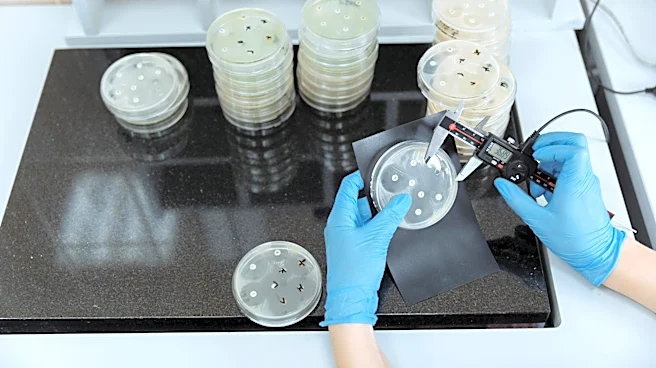
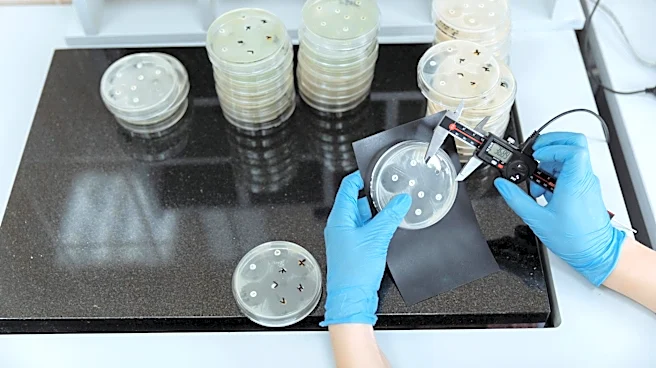
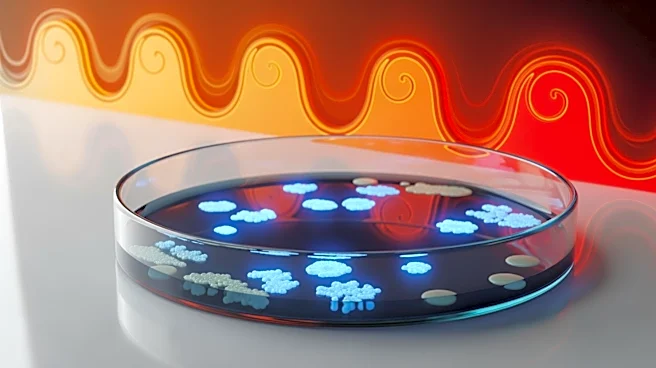
A recent study published in The Lancet Planetary Health reveals that climate change is contributing to a 10% global increase in antibiotic-resistance genes (ARGs) in Salmonella. Researchers from institutions including the Chinese Academy of Sciences and
the University of Cambridge analyzed over 480,000 Salmonella genomes from 139 countries, finding significant associations between temperature, precipitation, and ARG increases. The study highlights that climate conditions, such as higher temperatures and extreme weather events, can accelerate bacterial growth and gene exchange, thereby amplifying antimicrobial resistance (AMR) transmission. The abundance of ARGs in Salmonella has risen by 38% since 1940, with climate change accounting for a significant portion of this increase.
Why It's Important?
The findings underscore the critical intersection of climate change and public health, particularly in the context of antimicrobial resistance. As climate change accelerates the spread of ARGs, it poses a significant threat to global health by potentially rendering common infections harder to treat. This development could strain healthcare systems and increase the burden of disease, particularly in regions already vulnerable to climate impacts. The study emphasizes the need for integrated strategies that address both climate change and antimicrobial stewardship to safeguard public health and maintain the efficacy of antimicrobial therapies.
What's Next?
The researchers project that ARG levels in Salmonella will continue to rise unless countries meet low-emission climate targets and strengthen responsible antibiotic use. This calls for global cooperation in climate mitigation efforts and the implementation of robust antimicrobial stewardship programs. Policymakers and health organizations must prioritize these strategies to curb the spread of ARGs and combat the growing challenge of antibiotic resistance. The study highlights the importance of addressing climate change as a strategic intervention to protect public health.