




What's Happening?
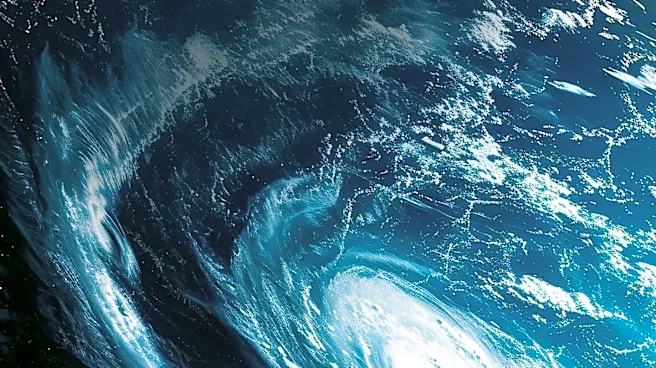
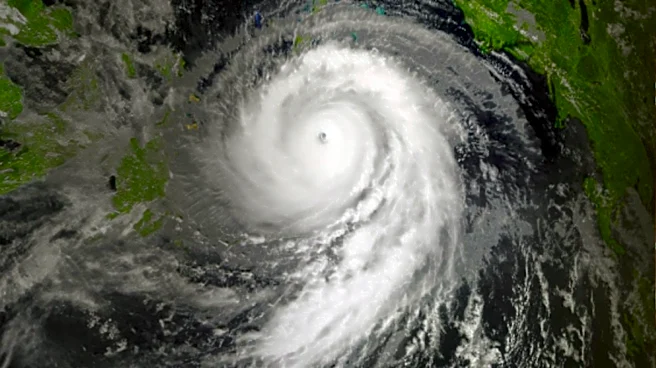
Typhoon Dolphin has led to the cancellation of at least 12 flights connecting Hong Kong with mainland China, Taiwan, and Japan. As the typhoon moves away from Japan's Okinawa prefecture and approaches eastern China, Hong Kong International Airport reports
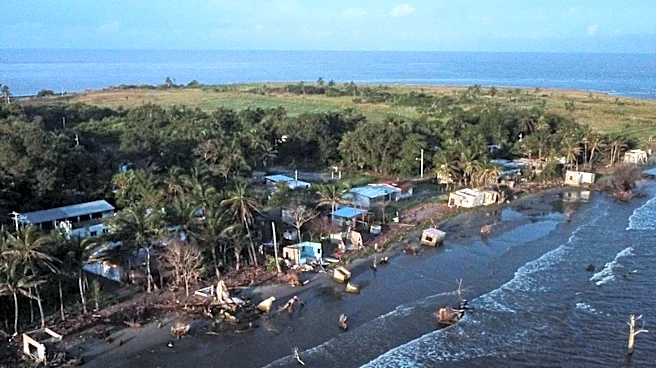
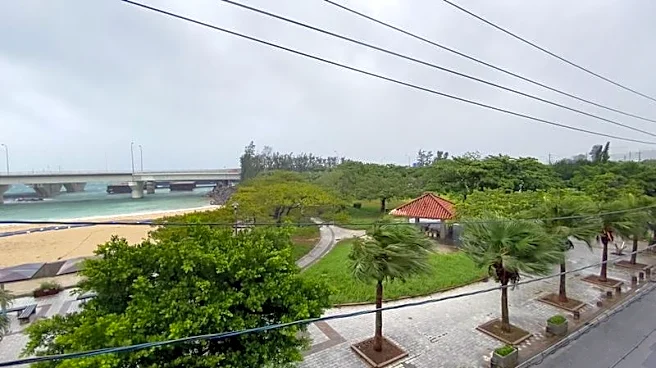
cancellations of outbound flights to Okinawa, Ishigaki, and Shanghai. The typhoon has also disrupted travel plans for Hongkongers in Okinawa, affecting local businesses. Hong Kong Airlines has cancelled flights between Hong Kong and Shanghai, and rescheduled flights to Okinawa. The typhoon's impact on travel and business operations is significant, with financial losses reported by local operators.
Why It's Important?
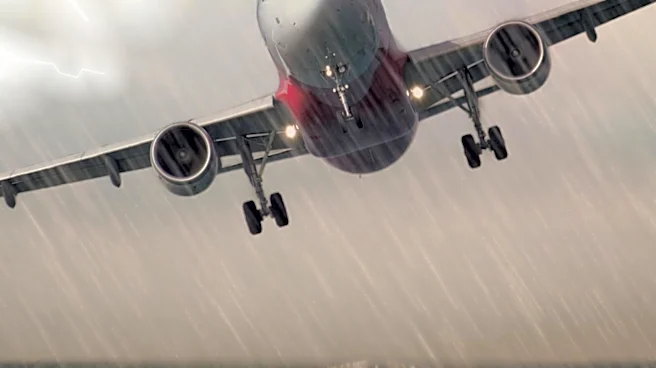
The disruption caused by Typhoon Dolphin underscores the challenges faced by the aviation and tourism industries during severe weather events. The cancellations affect travelers and businesses, leading to financial losses and operational difficulties. The situation highlights the need for effective disaster management and contingency planning to minimize economic impact and ensure public safety. The aviation industry must adapt to changing weather patterns and enhance resilience against natural disasters. This event serves as a reminder of the interconnectedness of global travel networks and the importance of international cooperation in disaster response.
What's Next?
As Typhoon Dolphin continues its trajectory, further disruptions are anticipated. Airlines and businesses will need to assess the impact and implement recovery strategies. Authorities may issue additional advisories and safety measures to protect travelers and infrastructure. The event could prompt a review of current disaster preparedness protocols and lead to improvements in response strategies. Stakeholders will likely focus on enhancing communication and coordination to better manage future weather-related disruptions.