








What's Happening?
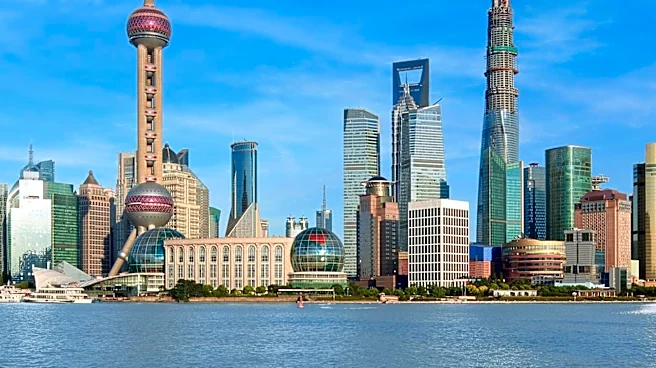
Pudong, a district in Shanghai, recorded more than 2.07 million visits to its A-rated tourist attractions during China's seven-day National Day holiday. This surge in tourism was driven by a variety of cultural events, exhibitions, light shows, and shopping
experiences. Key attractions like the Oriental Pearl Tower welcomed 129,700 visits, and Jinmao Tower's observation deck saw 41,930 visits, marking a 6 percent year-on-year increase. The Shanghai Grand Opera House opened to the public for the first time, with its daily quota of 1,200 visitors fully booked. Museum exhibitions, such as the Mawangdui exhibition at the Shanghai Art Museum and the Silla relics exhibition in Shanghai Museum East, also drew significant crowds, selling over 180,000 and attracting 171,500 visits, respectively. Hotel occupancy in areas like Shanghai International Resort and Lujiazui exceeded 90 percent, and rural bed-and-breakfasts saw a 12.4 percent rise in rooms booked and a 22 percent increase in revenue.
Why It's Important?
While this news directly concerns domestic tourism in China, it holds indirect importance for U.S. businesses and the global tourism industry. The robust recovery and high engagement in Pudong's tourism sector indicate a strong consumer demand for travel and leisure activities, which can serve as an economic indicator. For U.S. companies with investments or operations in the global hospitality, entertainment, or retail sectors, this demonstrates the potential for significant market recovery and growth in major international hubs. The success of cultural events and exhibitions in driving tourism also highlights the value of cultural exchange and unique experiences in attracting visitors, a lesson that can be applied to U.S. tourism strategies. Furthermore, the high hotel occupancy rates and increased revenue for accommodations suggest a healthy rebound in travel spending, which could eventually translate into increased international travel, benefiting U.S. airlines, tour operators, and related industries.
What's Next?
The success of Pudong's National Day holiday tourism is likely to encourage continued investment in cultural events, exhibitions, and infrastructure development within the district and potentially across other major Chinese cities. Local authorities will probably analyze the data to refine future tourism strategies, focusing on popular attractions and successful event formats. For international tourism, this strong domestic performance could signal a gradual return to pre-pandemic levels of travel, eventually including more inbound and outbound international visitors. U.S. travel companies and investors will likely monitor these trends to anticipate shifts in global travel patterns and prepare for increased demand from Chinese tourists once international travel fully normalizes. The focus on enhancing visitor experiences, including multilingual guides and diverse attractions, suggests a long-term commitment to attracting a broader audience.
Beyond the Headlines
The impressive tourism figures in Pudong during the National Day holiday reflect more than just economic recovery; they underscore the enduring appeal of cultural experiences and urban attractions in driving public engagement. The full booking of the Shanghai Grand Opera House and the high attendance at museum exhibitions highlight a strong public appetite for arts and culture. This trend suggests a broader societal value placed on cultural enrichment and leisure activities, which can have long-term implications for urban planning and cultural policy. The integration of light shows, shopping, and diverse events also points to a holistic approach to tourism development, creating comprehensive visitor experiences. This success could serve as a model for other global cities, including those in the U.S., looking to revitalize their tourism sectors by combining cultural offerings with modern entertainment and commercial activities, fostering vibrant urban environments.