





What's Happening?
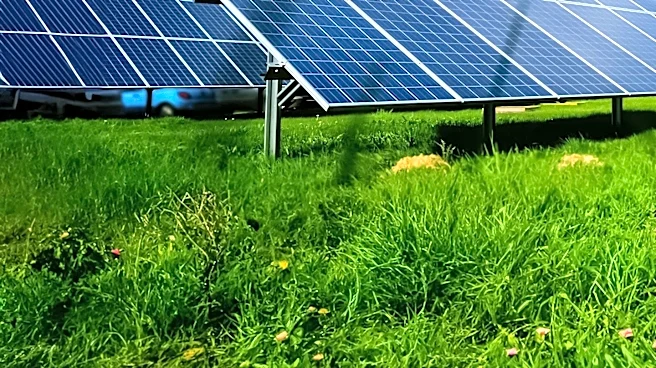
Azerbaijan, traditionally a major oil and gas producer, is rapidly expanding its renewable energy capacity, with renewables contributing 20% of its total electricity production in the first nine months of 2026, up from 13.4% in 2025. This growth, primarily
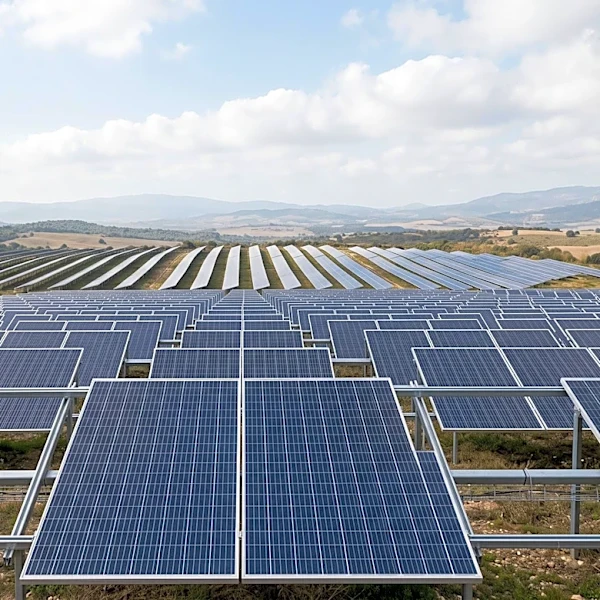
from solar and wind projects, has enabled the country to avoid using an estimated 840 million cubic meters of natural gas, significantly reducing carbon emissions. Azerbaijan plans to commission 11 solar and wind power plants totaling 2 gigawatts of capacity, with three already operational. The government aims to increase the share of renewables to 33.3% of its total installed electricity generation capacity by 2027 and develop 8 GW of renewable energy by 2032. This initiative is supported by over $500 million in foreign direct investment from countries like the UAE, Saudi Arabia, and China.
Why It's Important?
Azerbaijan's aggressive pivot towards renewable energy is a critical development for global energy transition efforts, especially coming from a significant fossil fuel exporter. This move demonstrates that even hydrocarbon-rich nations can commit to decarbonization and diversify their energy mix. For the U.S., this trend is important as it contributes to global climate goals and could influence international energy markets by potentially freeing up more natural gas for export. The involvement of diverse international investors in Azerbaijan's renewable projects also highlights the growing global interest and investment in green energy, creating new opportunities for technological collaboration and market development. This shift could also serve as a model for other oil and gas-dependent economies seeking to enhance energy security and environmental sustainability.
What's Next?
Azerbaijan is committed to further accelerating its renewable energy deployment. The government expects to commission the 445-MW Bilasuvar solar power plant and the 25-megawatt Shams 1 solar power plant by the end of the year. Several more renewable energy projects, including the 315-MW Neftchala, 240-MW Shafag, 50-MW Shams, 50-MW Ufug, and 25-MW Western Ufug solar power plants, are slated for completion next year. These projects are projected to produce a combined 5 billion kilowatt-hours of electricity annually, potentially reducing gas use by over 1.1 billion cubic meters and cutting carbon emissions by 2.4 million metric tonnes. Azerbaijan plans to invest approximately $2.6 billion in renewable energy projects and power grid development by 2027, including $600 million to strengthen grid infrastructure. Renewable energy auctions are expected to begin in 2028 to stimulate further growth, and the country is exploring domestic manufacturing capabilities for green energy components.
Beyond the Headlines
Azerbaijan's energy transformation signifies a broader global shift where nations are increasingly recognizing the strategic importance of diversifying their energy sources beyond fossil fuels. This transition is not merely an environmental imperative but also an economic and geopolitical one, enhancing energy security and creating new avenues for industrial growth. The country's consideration of nuclear energy further illustrates a comprehensive approach to achieving a balanced and sustainable energy portfolio. This development could inspire other resource-rich nations to adopt similar strategies, fostering a more resilient and diversified global energy landscape. The focus on domestic manufacturing capabilities for green energy components also points towards a long-term vision of building a self-sufficient green economy, creating new industries and job opportunities.