









What's Happening?
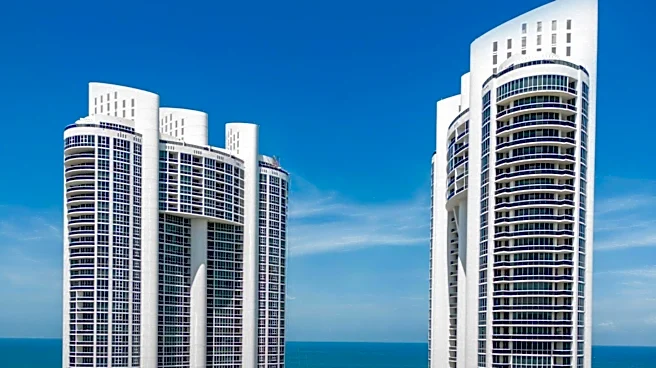
The partial collapse of the Champlain Towers South in Surfside, Florida, on June 24, 2021, resulted in 98 fatalities, marking one of the deadliest structural failures in U.S. history. The tragedy prompted significant legislative changes in Florida's condo
market, including the introduction of the Building Safety Act. This act mandates structural integrity reserve studies and regular inspections for older buildings, aiming to prevent similar disasters. The collapse exposed long-standing issues of deferred maintenance and inadequate funding for necessary repairs in many Florida condos.
Why It's Important?
The Surfside collapse has had a profound impact on the Florida condo market, leading to increased regulatory scrutiny and financial burdens for condo associations and owners. The new safety regulations have driven up costs, affecting property values and market dynamics. While the reforms aim to enhance building safety, they have also created financial challenges for owners, particularly in older buildings. The incident has raised awareness about the importance of building maintenance and the need for adequate reserve funds, potentially influencing condo markets beyond Florida.
What's Next?
Florida lawmakers have introduced additional measures to provide relief to condo owners facing financial strain due to the new regulations. These include extending deadlines for compliance and allowing temporary pauses in reserve fund contributions. The ongoing adjustments highlight the balancing act between ensuring safety and managing economic impacts on residents. The situation continues to evolve as stakeholders navigate the complexities of implementing these reforms while addressing the concerns of affected communities.
Beyond the Headlines
The Surfside tragedy has sparked a broader conversation about building safety and regulatory oversight in the U.S. The incident has highlighted the potential risks associated with aging infrastructure and the need for proactive maintenance and investment. It also raises questions about the role of government and private entities in ensuring the safety and sustainability of residential buildings. The long-term implications may include shifts in real estate practices and increased demand for transparency and accountability in property management.