






What's Happening?
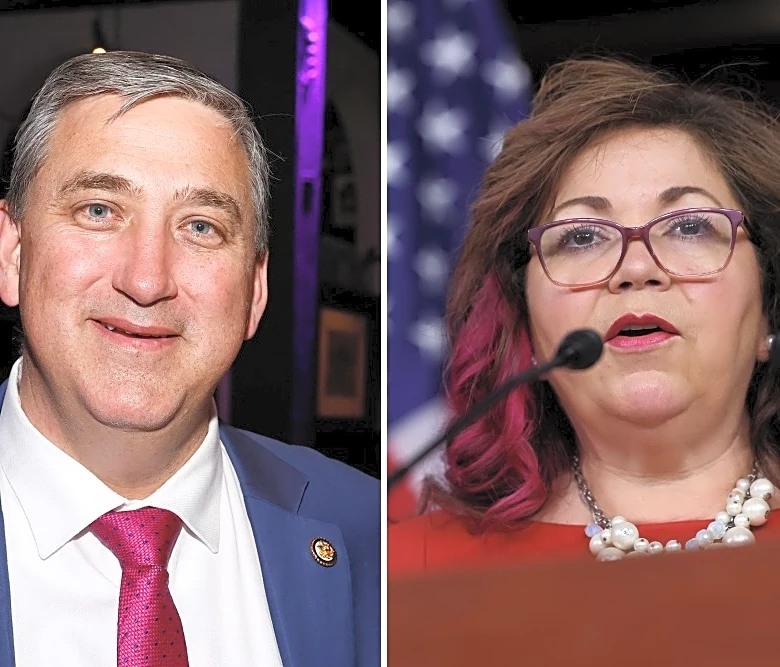
A group of American lawmakers, faith leaders, and conservative activists has formally requested President Trump to establish a lawful immigration and humanitarian pathway for Jewish Canadians. This appeal comes in response to a documented surge in antisemitism
in Canada, which has led to concerns for the safety of Jewish Canadians. The letter sent to President Trump in August cited a significant increase in violent antisemitic incidents, with 27 reported between the start of the year and mid-July, compared to 10 during all of 2025, according to B'nai Brith Canada. The letter highlighted that while Jews constitute approximately 1 percent of Canada's population, they were the targets of 69 percent of all hate crimes motivated by religion reported by police in 2024, exceeding all other religious groups combined.
Why It's Important?
This development underscores the growing international concern over rising antisemitism and its potential impact on communities. The call for President Trump to create a specific immigration pathway for Jewish Canadians reflects a perception that the Canadian government is not adequately protecting its Jewish population, leading to a humanitarian crisis that warrants U.S. intervention. If President Trump acts on this request, it would mark a significant policy shift, potentially setting a precedent for the U.S. to offer refuge to specific religious or ethnic groups experiencing persecution in allied nations. Such a move could strain diplomatic relations between the U.S. and Canada, as it implies a criticism of Canada's ability to ensure the safety of its citizens. It also highlights the increasing role of human rights and religious freedom in U.S. foreign policy and immigration decisions, potentially influencing how the U.S. responds to similar situations globally.
What's Next?
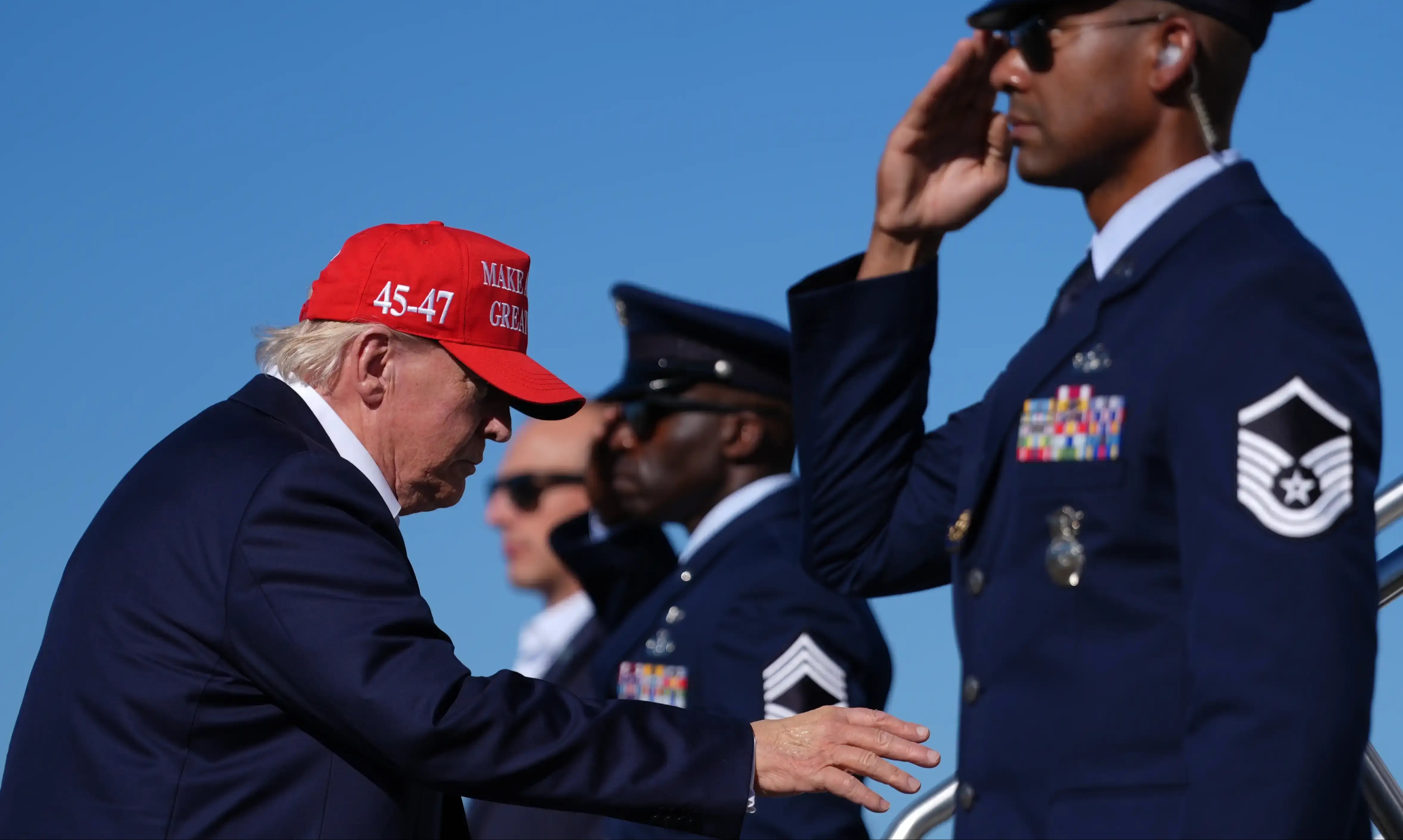
The immediate next step involves President Trump's response to the letter from lawmakers, faith leaders, and conservative activists. He could choose to initiate discussions with his administration and relevant agencies, such as the Department of Homeland Security and the State Department, to explore the feasibility and implications of creating such an immigration pathway. Alternatively, he might choose not to act on the request, which could lead to continued pressure from the advocating groups. The situation will likely continue to be monitored by human rights organizations and Jewish advocacy groups in both the U.S. and Canada. Any decision by President Trump would undoubtedly draw significant attention and could lead to further debate on immigration policy, international relations, and the global fight against antisemitism. The Canadian government's reaction to such a U.S. initiative would also be a critical factor in the unfolding situation.
Beyond the Headlines
This situation delves into the complex interplay of national sovereignty, human rights, and international diplomacy. The request for the U.S. to provide refuge to citizens of a neighboring, allied nation raises questions about the responsibilities of states to protect their minorities and the potential for external intervention when those protections are perceived as insufficient. It also highlights the increasing weaponization of human rights concerns in political discourse, where calls for humanitarian intervention can serve various geopolitical or domestic political agendas. Furthermore, the focus on antisemitism in Canada, a country often viewed as a bastion of multiculturalism and tolerance, points to a broader global challenge of rising religious and ethnic hatred. The long-term implications could include a re-evaluation of international norms regarding refugee status and the conditions under which one nation might offer asylum to citizens of another, particularly when both are democratic allies. This could also intensify the debate within Canada about its own policies and efforts to combat hate crimes.