

What's Happening?
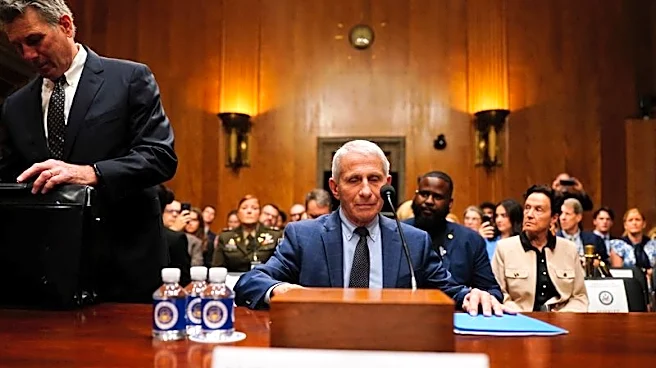
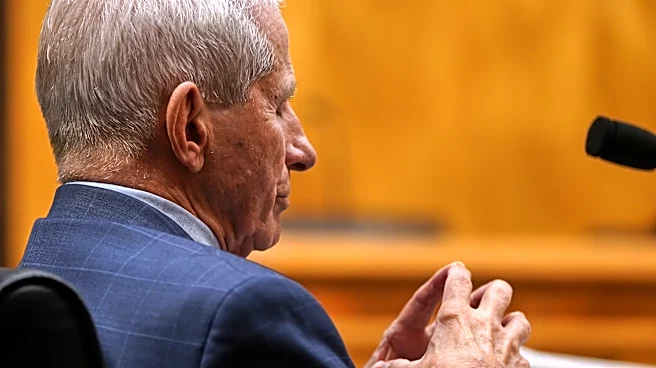
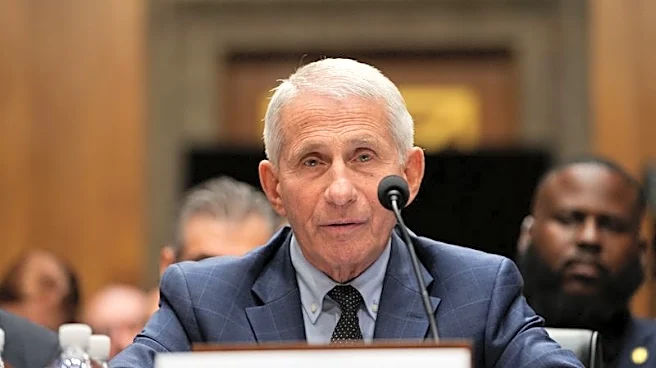
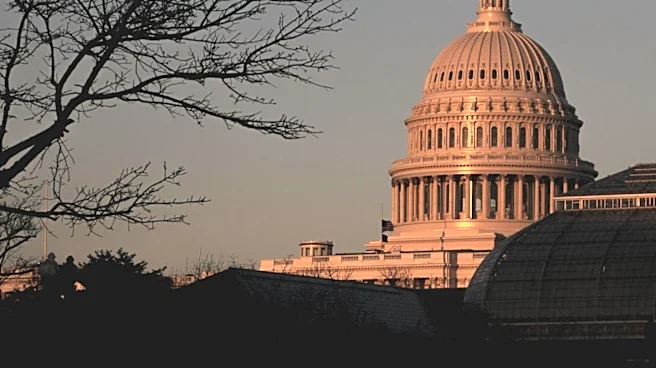
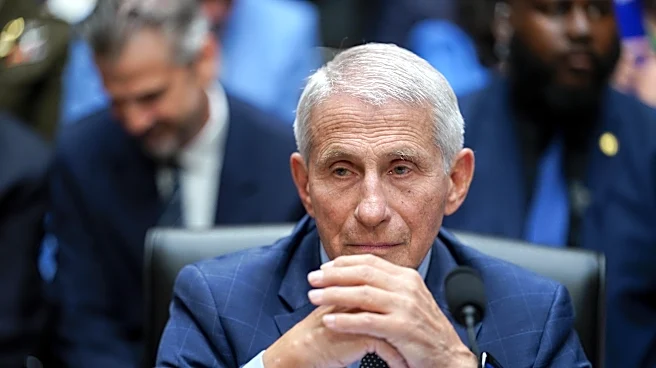
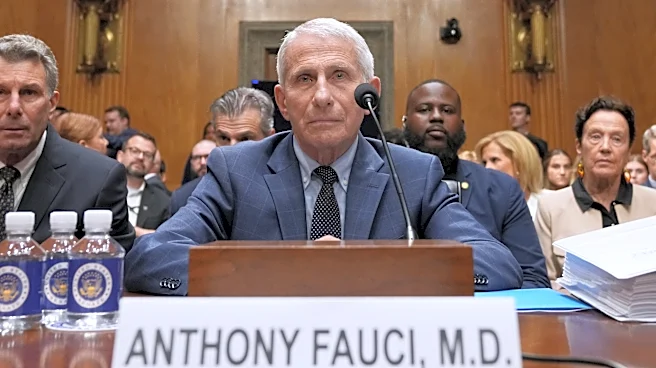
A recent Senate committee hearing has reignited the debate over the origins of COVID-19, focusing on the role of immunologist Anthony Fauci in the U.S. government's pandemic response. The hearing, led by the Senate Homeland Security and Governmental Affairs
Committee, was marked by partisan divisions, with Republicans reiterating claims that the virus originated from a lab in Wuhan, China. Despite extensive investigations and reports, including a 2024 report by a Republican-led subcommittee, no conclusive evidence has been found to support the lab leak theory over natural transmission. The hearing did not introduce new evidence but highlighted ongoing political tensions surrounding the pandemic's origins and Fauci's role.
Why It's Important?
The hearing underscores the persistent political divide in the U.S. regarding the handling of the COVID-19 pandemic. The focus on Fauci reflects broader criticisms of the federal response and has implications for public trust in health agencies. The debate over the virus's origins continues to influence U.S.-China relations and domestic policy discussions. The lack of new insights from the hearing suggests that political motivations may overshadow scientific inquiry, potentially affecting future public health strategies and international cooperation in pandemic preparedness.
What's Next?
As the debate over COVID-19's origins continues, it is likely that further hearings and investigations will be pursued, particularly as political leaders seek to address public concerns and accountability. The upcoming midterm elections may see these issues become focal points in political campaigns, influencing voter perceptions and party strategies. Additionally, the scientific community may continue to advocate for comprehensive investigations to conclusively determine the virus's origins, which could impact future global health policies and research funding priorities.