







What's Happening?
Growing seasons across the United States are lengthening due to climate change, providing both opportunities and challenges for gardeners. The Old Farmer's Almanac reports that the period between the last spring frost and the first fall frost has been
expanding since 1895, particularly in the West, Northeast, and some Southern states. This change allows for a longer period to grow vegetables and flowers but also extends the time pests can thrive. California has seen the most significant increase, with 47 additional growing days, followed by Washington, Arizona, and Utah. The changes are attributed to rising global temperatures, with data from Climate Central and NOAA indicating that summer temperatures have increased in 97% of major U.S. cities since 1970.
Why It's Important?
The extended growing seasons present a mixed bag for U.S. gardeners. On the positive side, they can grow a wider variety of plants and enjoy longer harvest periods. However, the longer warm periods also mean pests can survive and reproduce more, potentially leading to increased pest resistance to insecticides. This shift requires gardeners to adapt their practices, such as changing planting schedules and selecting heat-resistant plant varieties. The USDA notes that while longer growing seasons can boost productivity, they also pose risks if temperatures exceed growth limits or if water and nutrients are insufficient.
What's Next?
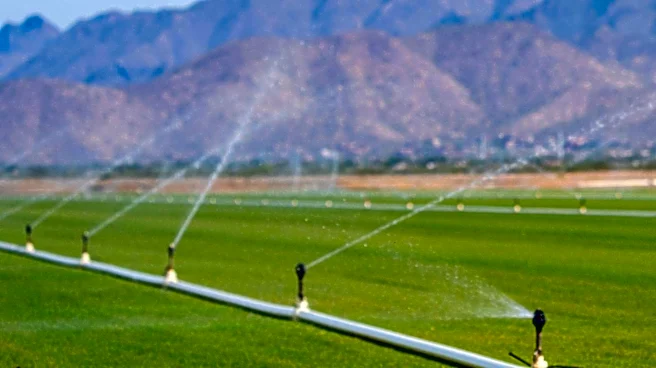
Gardeners may need to adjust their strategies to cope with the changing climate. This includes using row covers to protect young plants, regularly inspecting for pests, and planting flowers that attract beneficial insects. The Old Farmer's Almanac advises minimizing insecticide use to preserve beneficial species. Additionally, gardeners might need to alter irrigation practices and select plant varieties that mature faster to avoid heat stress. These adaptations are crucial to maintaining productive gardens in the face of climate change.
Beyond the Headlines
The lengthening growing seasons reflect broader environmental shifts that could have long-term implications for agriculture and food security. As gardeners and farmers adapt to these changes, there may be opportunities to explore new crops and markets. However, the increased prevalence of pests and extreme weather events like hurricanes could pose significant challenges. The evolving climate underscores the need for sustainable practices and innovations in plant breeding to ensure resilience in food production systems.