


What's Happening?
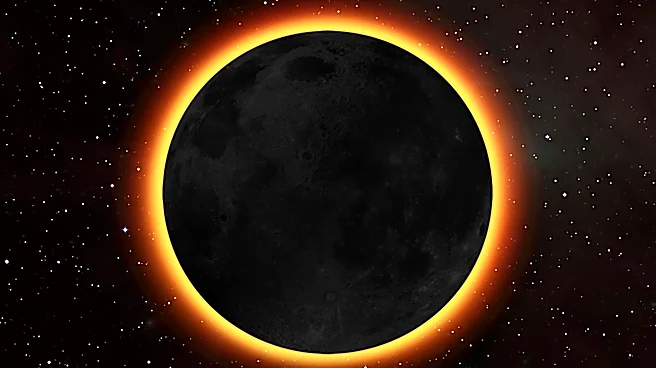
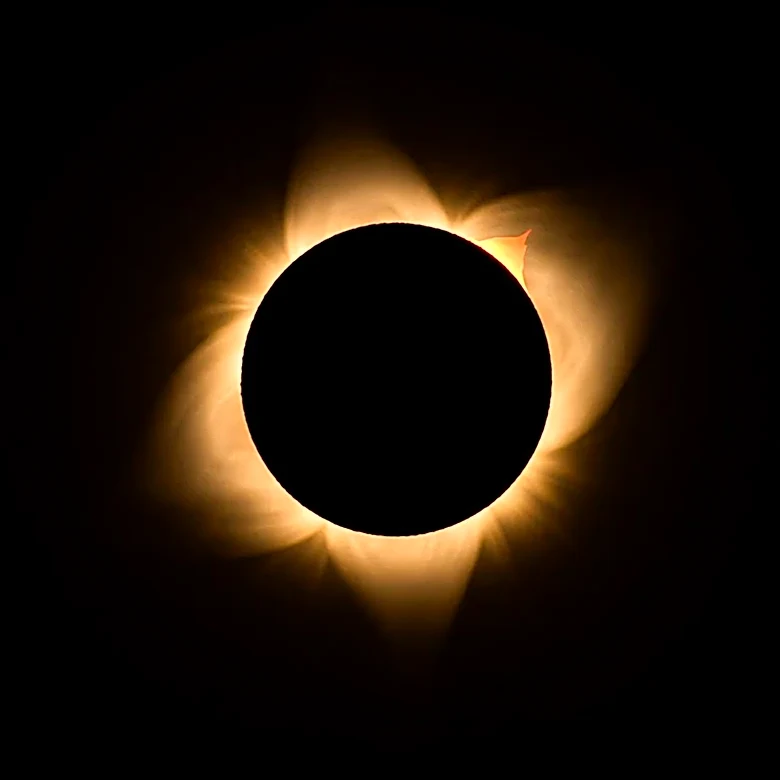
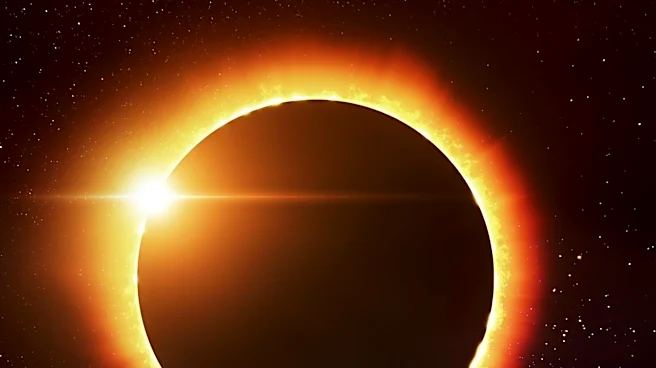
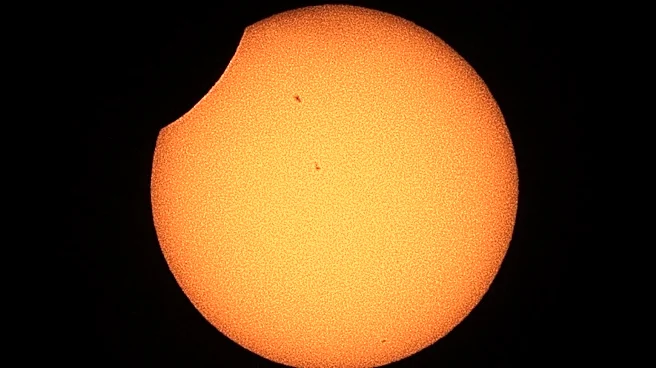
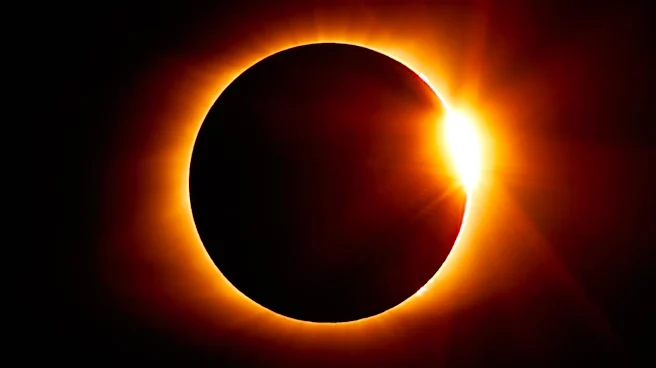
On August 12, Europe will experience its first total solar eclipse in 27 years, with NASA deploying a WB-57 research jet to capture high-resolution images of the solar corona. The eclipse will pass over Greenland, Iceland, and Spain, providing a rare
opportunity for scientists to study the Sun's outer atmosphere. NASA's mission aims to address previous imaging challenges by adjusting camera exposure times to better capture the corona's features. The event coincides with the Perseid meteor shower, offering a unique astronomical experience.
Why It's Important?
This solar eclipse provides a critical opportunity for scientists to study the Sun's corona, which remains one of the least understood aspects of solar physics. Understanding the corona's temperature and behavior is essential for predicting solar activity and its impact on Earth's space environment. The data collected during this eclipse could enhance our knowledge of solar dynamics and improve space weather forecasting. Additionally, the event highlights the importance of international collaboration in scientific research, as NASA works with European partners to maximize the scientific return from this rare celestial event.