





What's Happening?
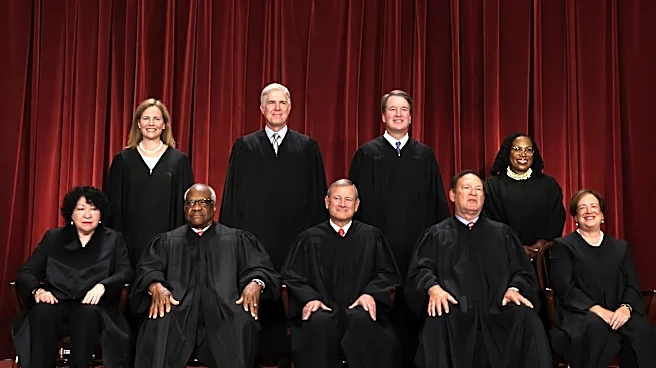
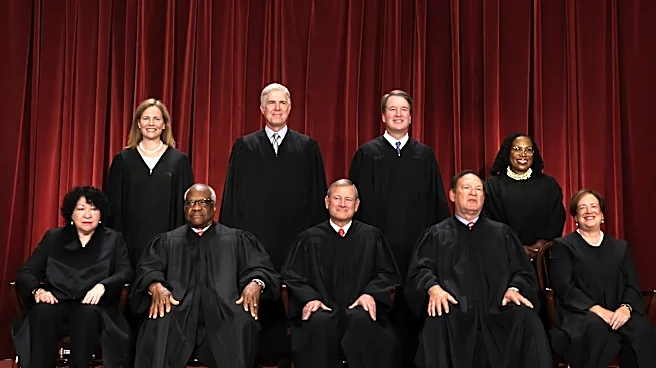
Supreme Court Justice Clarence Thomas is scheduled to teach a weeklong undergraduate seminar titled 'Equality and the New Birth of Freedom' at the University of Texas at Austin in February 2027. The course, offered through UT Austin's School of Civic
Leadership, will run from February 1-5, 2027. It will examine American ideas about freedom and equality from the nation's founding through modern constitutional debates, with a focus on Black intellectual history. Course materials will include writings and speeches from prominent Black leaders such as Frederick Douglass, Booker T. Washington, W.E.B. Du Bois, Martin Luther King Jr., and Malcolm X. Students will also study how debates over race and equality have influenced recent Supreme Court decisions. Seventeen students were selected from 65 applicants to participate in this one-credit course. Justice Thomas will provide two hours of instruction daily, and students will also meet with Justin Dyer, dean of UT Austin’s School of Civic Leadership.
Why It's Important?
This seminar is significant as it places one of the Supreme Court's most influential conservative voices at the center of academic discussions on Black political thought and constitutional equality. Justice Thomas, the longest-serving Supreme Court justice, has a contested record on race, notably joining the 2023 ruling that restricted race-based college admissions. His jurisprudence emphasizes a conservative interpretation of the Constitution, often clashing with civil rights organizations and proponents of race-conscious policies. The course's timing is also notable, as UT Austin has recently eliminated African American and Mexican American studies majors and implemented broader restrictions on diversity, equity, and inclusion programs across the UT System. This initiative provides a direct engagement opportunity for undergraduate students with a sitting Supreme Court justice, offering a unique perspective on these complex and often debated topics within a university environment that is currently navigating significant changes in its approach to race and inclusion.
What's Next?
The seminar is scheduled for February 1-5, 2027, at UT Austin. Following the seminar, the academic community and civil rights advocates will likely scrutinize the content and discussions that emerge from Justice Thomas's instruction, particularly given his judicial philosophy and the university's recent policy changes regarding diversity and inclusion. The course's impact on the 17 participating students and the broader discourse on race, equality, and constitutional law will be observed. This event could also influence future academic engagements by Supreme Court justices or other high-profile legal figures, potentially setting a precedent for how such sensitive topics are addressed within educational institutions. The ongoing debate among universities and policymakers about the teaching of American history, race, and civil rights will continue to evolve, with this seminar adding a distinct viewpoint to the discussion.
Beyond the Headlines
The seminar's focus on Black intellectual history, taught by Justice Thomas, presents a complex dynamic. While the course aims to explore foundational texts and debates, Justice Thomas's judicial philosophy, which often advocates for a 'colorblind' approach to the law, stands in contrast to the perspectives of many civil rights advocates who argue that such an approach can overlook the enduring effects of historical discrimination. This juxtaposition could lead to a deeper examination of how different interpretations of equality and constitutional principles shape public policy and societal outcomes. The event also highlights the ongoing tension between academic freedom and institutional policies regarding diversity, equity, and inclusion, especially in a state university system that has recently curtailed such programs. The seminar could serve as a case study for how universities navigate controversial topics and figures, potentially influencing future academic programming and the broader conversation about the role of race in American society and law.