





What's Happening?
Equinor, a leading energy company, has experienced a surge in demand for its energy exports following the disruption of petroleum and LNG supplies from the Gulf due to the Iran conflict. The closure of the Strait of Hormuz has significantly impacted energy exports,
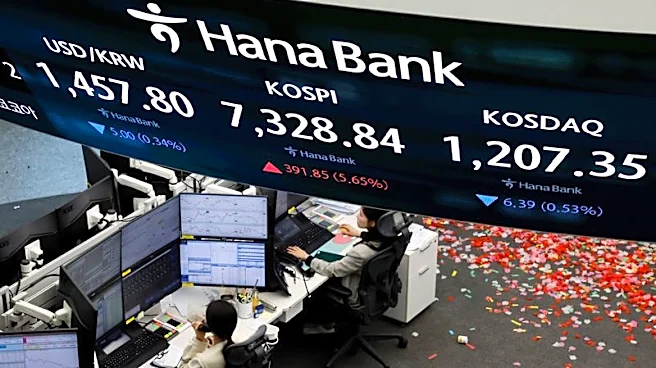
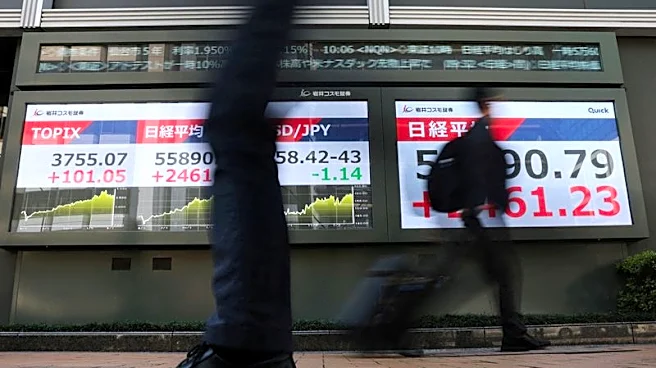
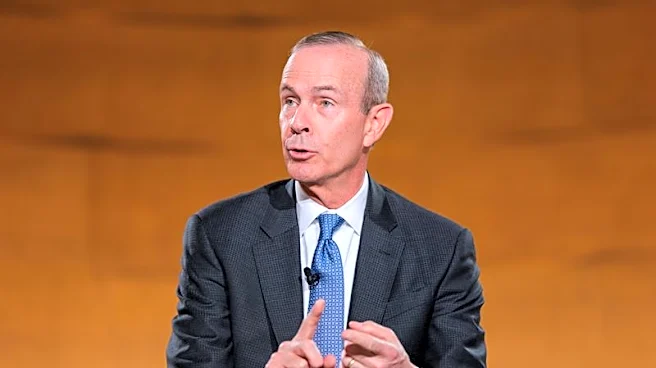
particularly affecting Asian markets. Equinor's CEO, Anders Opedal, noted increased interest from customers in Asia, with some reaching out more frequently than usual. The company has reported its highest quarterly earnings in three years, driven by high output and rising petroleum prices. Equinor has also expanded its export reach, recently shipping gasoline to Australia and receiving increased LNG interest from Indian fertilizer producers.
Why It's Important?
The increased demand for Equinor's energy exports highlights the global impact of geopolitical conflicts on energy markets. The disruption in the Gulf has created opportunities for alternative suppliers like Equinor to fill the gap, potentially leading to shifts in global energy trade patterns. This situation underscores the importance of energy security and diversification of supply sources for countries heavily reliant on Gulf exports. For Equinor, the increased demand and higher earnings strengthen its market position and financial performance, providing a buffer against potential future market volatility.
What's Next?
Equinor is likely to continue capitalizing on the increased demand for its energy exports, potentially expanding its market presence in Asia and other regions affected by the Gulf supply disruptions. The company will need to manage logistical challenges, such as rising shipping costs, to maintain profitability. Stakeholders will be watching for further developments in the Iran conflict and its impact on global energy markets, as well as Equinor's strategic responses to these changes.