


What's Happening?
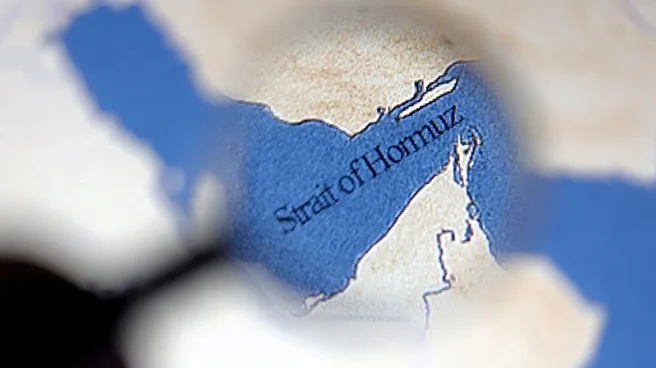
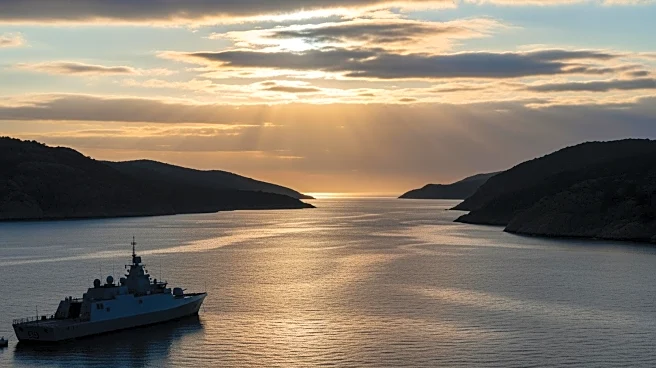
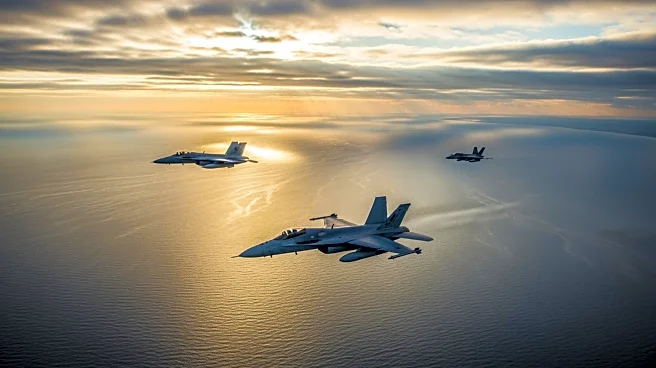
European nations and Japan have expressed readiness to support security efforts in the Strait of Hormuz, as the ongoing conflict with Iran disrupts shipping and raises concerns about global energy stability. In a joint statement, countries including Britain,
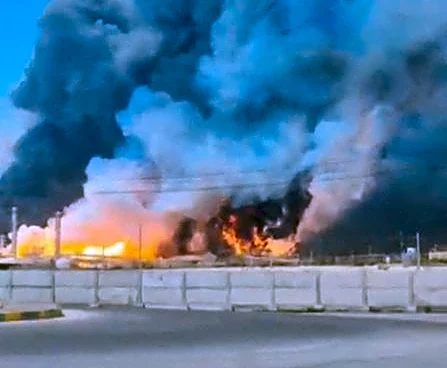
France, Germany, Italy, the Netherlands, and Japan condemned attacks on commercial vessels and indicated their willingness to contribute to ensuring safe passage through the waterway. However, the statement lacked specifics on the nature and extent of their potential involvement. Despite the conflict, some shipping traffic continues selectively, with certain vessels allowed passage under specific conditions. The strait remains a critical artery for global oil supply, and its disruption has already impacted energy markets.
Why It's Important?
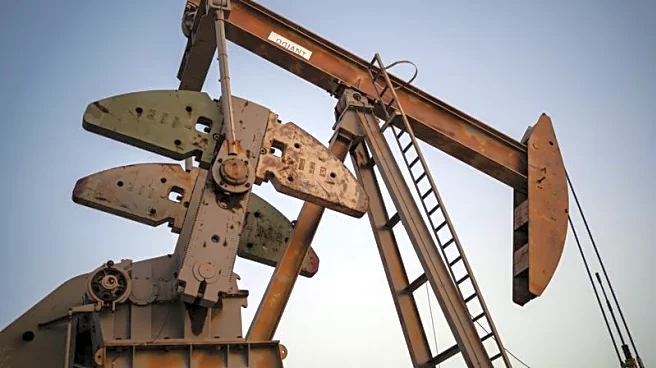
The Strait of Hormuz is a vital chokepoint for global energy supplies, carrying a significant portion of the world's oil. The readiness of European nations and Japan to contribute to its security highlights the international stakes involved. The conflict has already led to increased oil prices and shipping rates, affecting global markets. The involvement of these countries could help stabilize the situation, but also risks escalating tensions with Iran. The outcome of these efforts will have significant implications for global energy security and geopolitical dynamics.
What's Next?
The international community will be watching closely to see how these countries implement their commitments. The potential for military involvement or diplomatic solutions will be key factors in resolving the conflict. The situation remains fluid, with the possibility of further disruptions or escalations. The response of Iran and other regional actors will also play a crucial role in determining the future stability of the Strait of Hormuz.